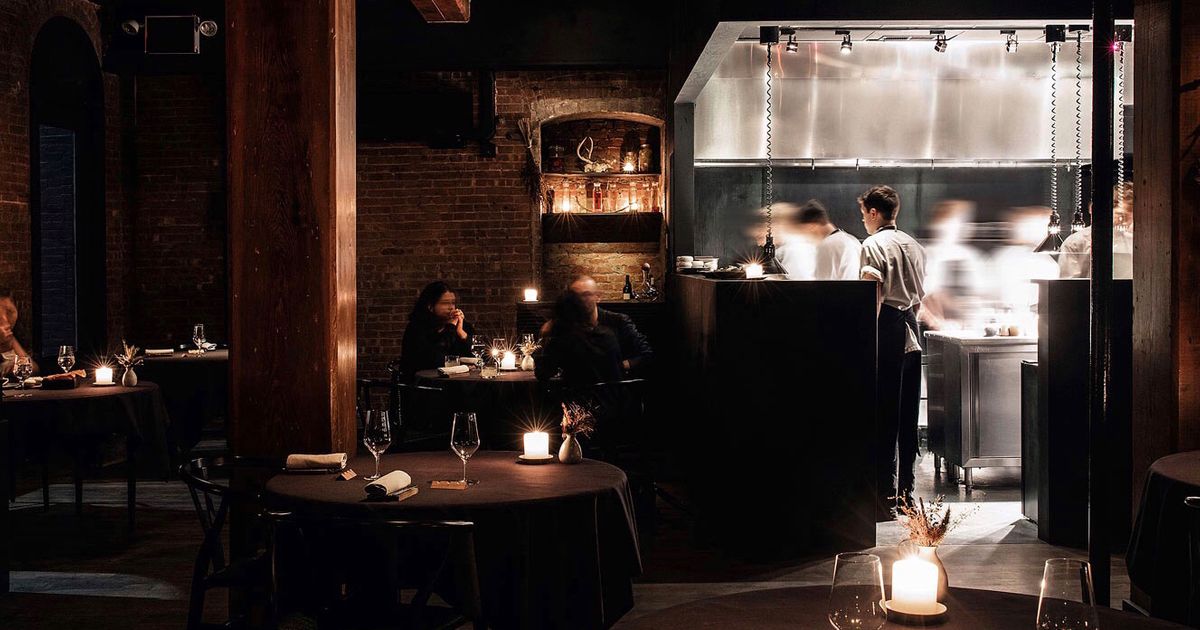
Restaurant
Aska
A Michelin-starred Japanese restaurant at Watmarkt 5 in Regensburg's medieval core, Aska brings a kaiseki-informed multi-course format to a city better known for its Bavarian beer halls and UNESCO heritage stones. Ranked #16 on the Opinionated About Dining North America list across three consecutive years and carrying a Pearl recommendation for 2025, it occupies a distinct tier above Regensburg's other fine-dining addresses.
- 1 Michelin Star
At a glance
- Cuisine
- Authentic Japanese Omakase
- Price
- $$$$
- Per person
- $150
- Hours
- Mon: Closed; Tue: 6:30 PM–12 AM; Wed: 6:30 PM–12 AM; Thu: 6:30 PM–12 AM; Fri: 6:30 PM–12 AM; Sat: 12–4 PM, 6:30 PM–12 AM; Sun: Closed
- Neighborhood
- Watmarkt
- Rating
- 4.8 (194)
<h2>Where Kaiseki Meets the Danube</h2><p>The streets around Watmarkt in Regensburg's Altstadt are narrow enough that you hear the cobblestones before you see them. Roman walls give way to medieval merchant houses, and the ambient light shifts from the open Danube embankment to something closer and more considered. It is an unlikely address for the kind of precision Japanese multi-course cooking that Aska represents, and that contrast is part of what makes the restaurant worth understanding on its own terms.</p><p>Kaiseki, in its strictest definition, is a sequential meal structured around seasonal produce, restrained technique, and an aesthetic logic that governs everything from knife work to ceramic selection. That tradition has migrated far beyond Kyoto's ryokan dining rooms over the past two decades, finding expression in Scandinavian kitchens, New York loft spaces, and now, apparently, a Bavarian city of 150,000 people whose dining culture has historically pivoted on pork roast and wheat beer. Aska holds a Michelin star as of 2025 and a Pearl recommendation the same year, credentials that position it well above the casual mid-range that dominates Regensburg's restaurant scene.</p><h2>A Format That Asks Something of the Diner</h2><p>The kaiseki structure imposes its own pace. Multi-course seasonal menus in this tradition are not simply long tasting menus with Japanese ingredients dropped in; they follow a compositional grammar where courses build and release tension, where temperature, texture, and visual weight are sequenced with the same intention a composer brings to movements. Germany has a handful of restaurants working seriously within or adjacent to Japanese seasonal formats. <a href="https://www.enprimeurclub.com/restaurants/myojaku-tokyo-restaurant">Myojaku in Tokyo</a> and <a href="https://www.enprimeurclub.com/restaurants/azabu-kadowaki-tokyo-restaurant">Azabu Kadowaki</a> represent the tradition at its source; what Aska does in Regensburg is bring that discipline into a European context where the sourcing conditions, the seasonal calendar, and the diner expectations are all different.</p><p>That is not a minor editorial point. The kaiseki principle of <em>shun</em>, the notion that each ingredient should be at the precise peak of its seasonal moment, requires a supply network and a sourcing philosophy that European kitchens must construct without the infrastructure Japanese cuisine takes for granted. Restaurants working at this level in Germany, including <a href="https://www.enprimeurclub.com/restaurants/jan-munich-restaurant">JAN in Munich</a> and <a href="https://www.enprimeurclub.com/restaurants/essenz-grassau-restaurant">ES:SENZ in Grassau</a>, have each worked out their own solutions to that problem. At the price point Aska occupies, €€€€, the expectation is that the seasonal logic is genuine rather than decorative.</p><h2>Aska in Regensburg's Fine-Dining Tier</h2><p>Regensburg carries Michelin recognition across a small cluster of addresses. <a href="https://www.enprimeurclub.com/restaurants/storstad-regensburg-restaurant">Storstad</a> holds a star for its creative cooking; <a href="https://www.enprimeurclub.com/restaurants/ontras-gourmetstube-regensburg-restaurant">Ontra's Gourmetstube</a> operates at the same €€€€ tier with a modern cuisine framework. Both are credible peers within the city's upper tier. What separates Aska is the specificity of its Japanese framework and, notably, its visibility in an international critical context that most Regensburg restaurants do not reach.</p><p>The Opinionated About Dining ranking, which places Aska at #16 among the leading restaurants in North America across 2023, 2024, and 2025, is a curious data point for a restaurant physically located in Bavaria. OAD rankings are crowd-sourced from a community of frequent, experienced diners who vote based on personal experience; consistent placement at #16 over three consecutive cycles suggests a sustained level of performance that has attracted a travelling audience beyond the local base. That kind of cross-border recognition is uncommon at Michelin one-star level and positions Aska in a peer set that includes restaurants in significantly larger culinary markets.</p><p>For comparison within Germany's wider fine-dining circuit, <a href="https://www.enprimeurclub.com/restaurants/aqua-wolfsburg-restaurant">Aqua in Wolfsburg</a>, <a href="https://www.enprimeurclub.com/restaurants/schwarzwaldstube-baiersbronn-restaurant">Schwarzwaldstube in Baiersbronn</a>, and <a href="https://www.enprimeurclub.com/restaurants/vendome-bergisch-gladbach-restaurant">Vendôme in Bergisch Gladbach</a> operate at three-star level, while <a href="https://www.enprimeurclub.com/restaurants/coda-dessert-dining-berlin-restaurant">CODA Dessert Dining in Berlin</a> has carved out a globally recognised niche through format specificity. Aska's approach, a Japanese seasonal multi-course format in a secondary German city, represents its own form of category definition.</p><h2>Chef Fredrik Berselius and the Swedish-Japanese Intersection</h2><p>Swedish chef Fredrik Berselius is the name attached to Aska, a fact that situates the restaurant within a broader conversation about how non-Japanese chefs engage with kaiseki principles. The most influential precedents, Rene Redzepi's documented study of Japanese technique, or the generation of Nordic chefs who absorbed Japanese aesthetic restraint into their own frameworks, suggest that the Swedish kitchen and the Japanese kitchen share certain structural affinities: a preference for clean flavour over layered richness, an attentiveness to the primary ingredient, a respect for seasonal boundary. Whether Berselius works strictly within kaiseki tradition or uses it as a reference point for a more personal synthesis is not something the available record makes fully clear, but the Michelin recognition and the OAD consistency indicate a seriousness of execution that goes beyond surface borrowing.</p><p>The restaurant is named Aska, the Swedish word for ash or embers, a lexical choice that points toward the Nordic end of the creative spectrum. Fire, reduction, and the residue of combustion are recurring preoccupations in Scandinavian fine dining. Held alongside a kaiseki-informed seasonal structure, that combination places Aska in a niche occupied by very few restaurants globally.</p><h2>Planning a Visit</h2><p>Regensburg is accessible from Munich by direct train in approximately 90 minutes, which makes it a practical day-trip or short-stay destination for travellers already in Bavaria. The Altstadt, a UNESCO World Heritage Site since 2006, is compact enough to walk entirely, and the density of historically significant architecture within a few blocks of Watmarkt 5 means that a dinner at Aska fits naturally into a broader cultural itinerary rather than requiring a standalone trip. The €€€€ price designation aligns with the upper bracket of Regensburg dining; diners who have spent time at comparable one-star addresses in Munich or other German cities will find the pricing consistent with that tier.</p><p>Aska carries a Google rating of 4.8 from 183 reviews, a score that, at that review volume, indicates sustained quality rather than a cluster of opening-week enthusiasm. For the city's mid-range options, <a href="https://www.enprimeurclub.com/restaurants/kreutzers-regensburg-restaurant">Kreutzer's</a> and <a href="https://www.enprimeurclub.com/restaurants/ontra-regensburg-restaurant">Ontra</a> offer international and farm-to-table formats respectively at the €€ tier, useful context for building a multi-night dining itinerary around the city. The <a href="https://www.enprimeurclub.com/restaurants/roter-hahn-by-maximilian-schmidt-regensburg-restaurant">ROTER HAHN by Maximilian Schmidt</a> adds another modern cuisine option for evenings when the kaiseki pacing of Aska's format calls for a different register.</p><p>For broader planning in Regensburg, EP Club maintains full guides to <a href="https://www.enprimeurclub.com/restaurants/regensburg">restaurants</a>, <a href="https://www.enprimeurclub.com/hotels/regensburg">hotels</a>, <a href="https://www.enprimeurclub.com/bars/regensburg">bars</a>, <a href="https://www.enprimeurclub.com/wineries/regensburg">wineries</a>, and <a href="https://www.enprimeurclub.com/experiences/regensburg">experiences</a> across the city.</p><h2>FAQ</h2><h3>What is the signature dish at Aska?</h3><p>No specific dish is documented in the public record as a fixed signature, which is consistent with a kaiseki-informed format where the menu shifts with the season rather than anchoring around a permanent centrepiece. The restaurant's awards profile, a Michelin star, consecutive OAD top-20 placement, and a Pearl recommendation for 2025, suggests the cooking across the seasonal menu as a whole is the point of the experience rather than any single preparation. Diners seeking a specific dish to anticipate should treat the absence of a publicised signature as a design feature of the format rather than an omission.</p>
Know before you go
- Dress code
- smart_casual
- Reservations
- essential
- Parking
- street
- Payment
- credit_card
Frequently asked
What should I expect cuisine-wise at Aska?
Aska is categorized in our database as Japanese.
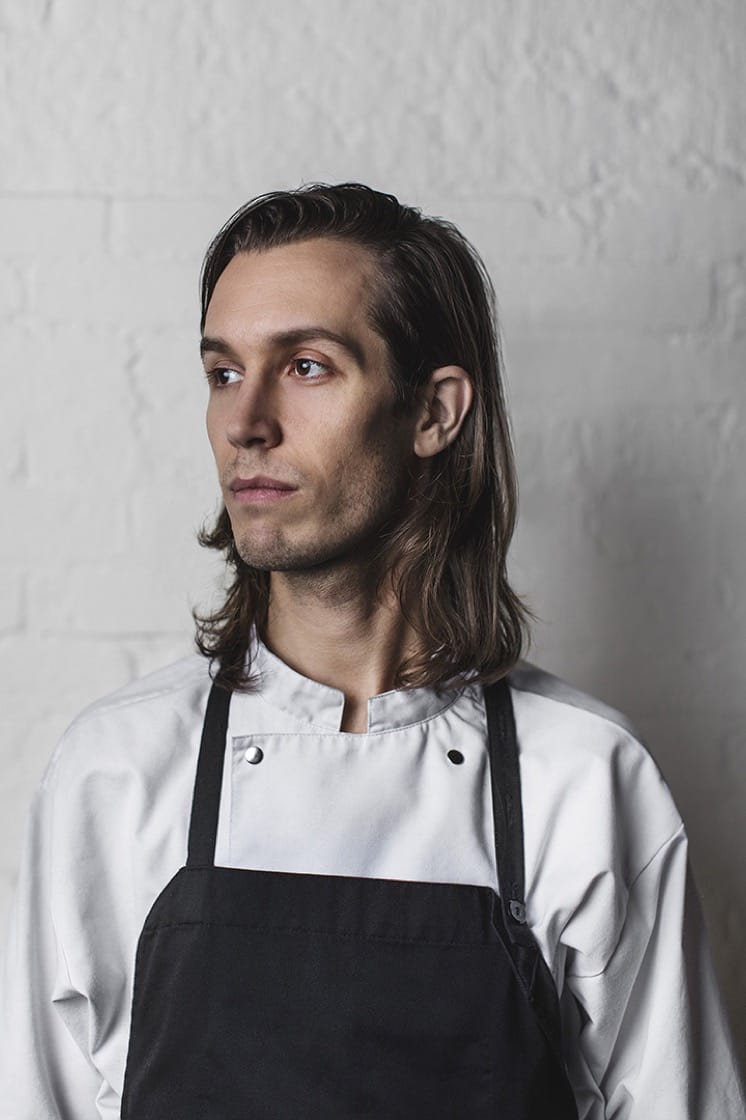
Who is the chef at Aska?
The chef associated with Aska is Fredrik Berselius.
What's the signature dish at Aska?
Aska follows a kaiseki-informed format where the menu rotates with the season, so no single dish holds permanent signature status. This structure is consistent with the broader kaiseki tradition, where a fixed showpiece dish would work against the format's core logic. The Michelin star awarded in 2025 recognises the kitchen's overall execution rather than any one plate.
Is Aska more mid-range or high-end?
Pricing at Aska is listed as €€€€.
What's the address for Aska?
Aska is located at Watmarkt 5, 93047 Regensburg, Germany, Regensburg.
Is Aska award-winning?
Aska has received recognition including: Opinionated About Dining Top Restaurants in North America Ranked #16 (2025); Pearl Recommended Restaurant (2025); Michelin 1 Star (2025); Opinionated About Dining Top Restaurants in North America Ranked #16 (2024); Opinionated About Dining ….
Address
Watmarkt 5, 93047 Regensburg, Germany
Watmarkt
How it compares
- Cuisine
- Japanese
- Price
- €€€€
- Awards
- Opinionated About Dining Top Restaurants in North America Ranked #16 (2025); Pearl Recommended Restaurant (2025); Michelin 1 Star (2025); Opinionated About Dining Top Restaurants in North America Ranked #16 (2024); Opinionated About Dining Top Restaurants in North America Ranked #16 (2023)
- Notes
- This venue
- Cuisine
- Modern Cuisine
- Price
- €€€€
- Awards
- Michelin 1 Star
- Notes
- Modern Cuisine, €€€€
- Cuisine
- Creative
- Price
- €€€€
- Awards
- Michelin 1 Star
- Notes
- Creative, €€€€
- Cuisine
- Contemporary
- Price
- €€
- Notes
- Contemporary, €€
- Cuisine
- International
- Price
- €€
- Notes
- International, €€
- Cuisine
- Farm to table
- Price
- €€
- Notes
- Farm to table, €€
In residence
Similar places
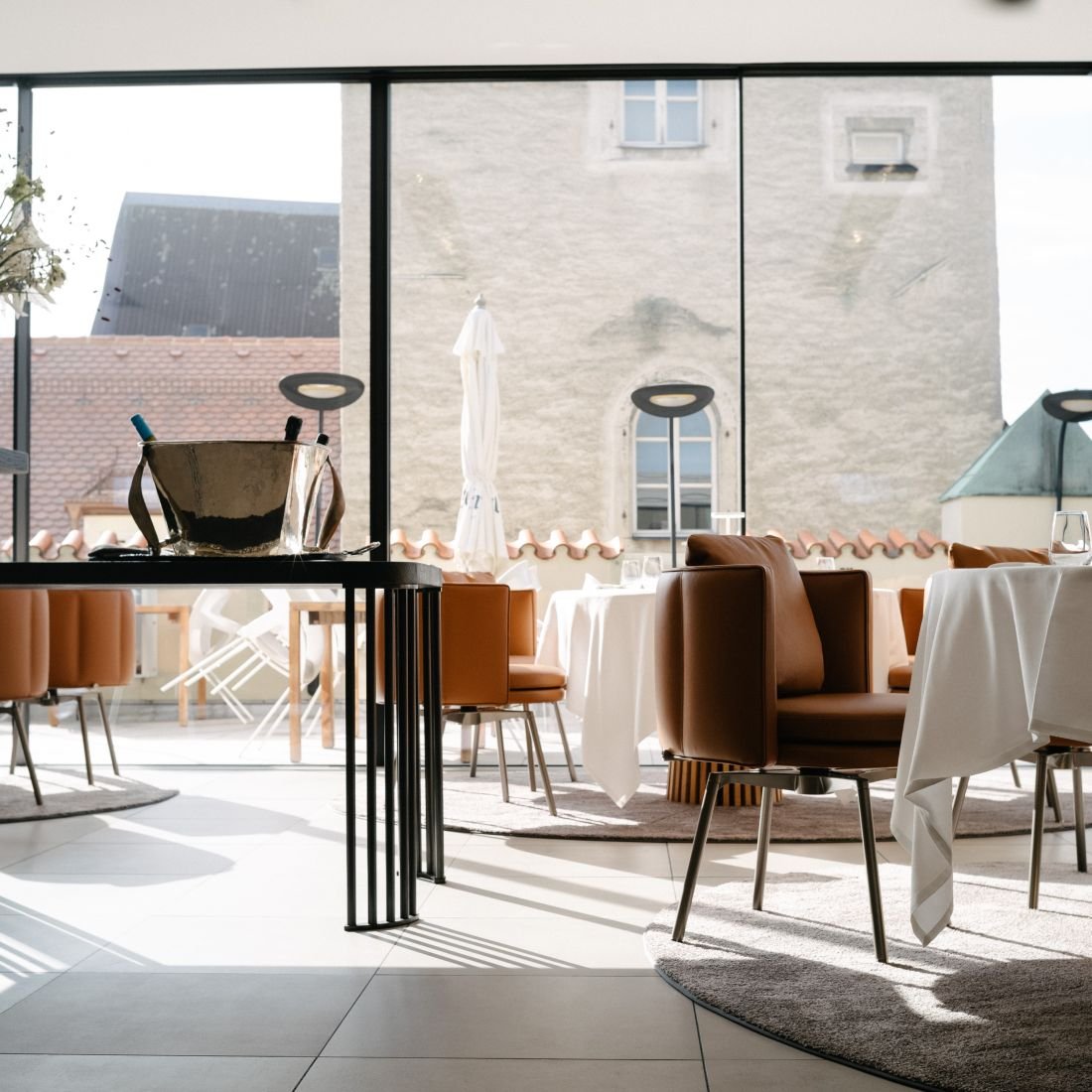
Nordic-Influenced Creative Fine Dining
Storstad
Regensburg, Germany
★
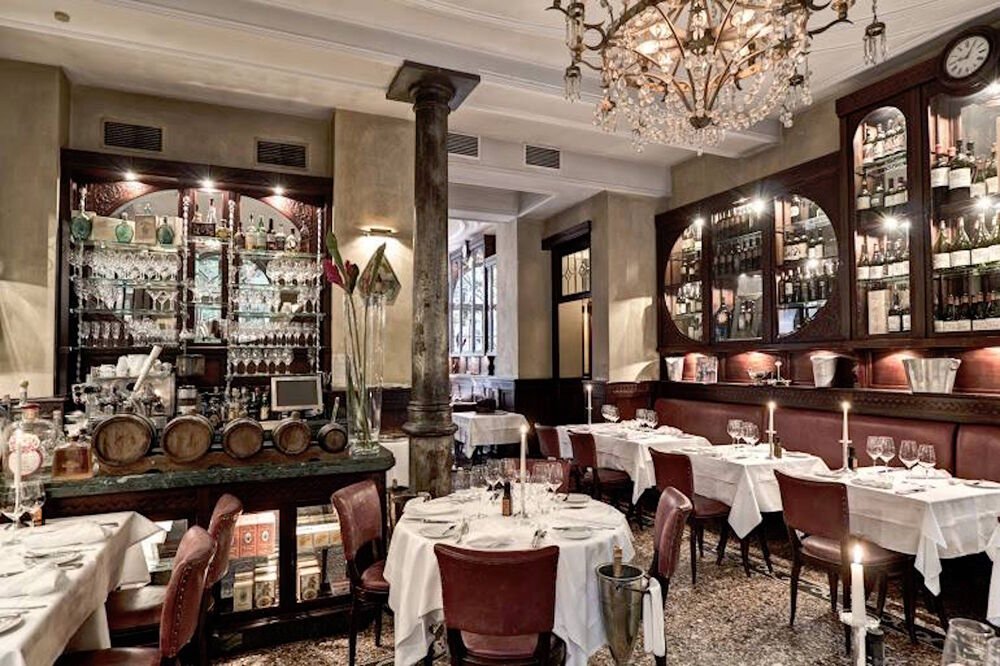
Modern European Fine Dining
Ontra's Gourmetstube
Regensburg, Germany
★
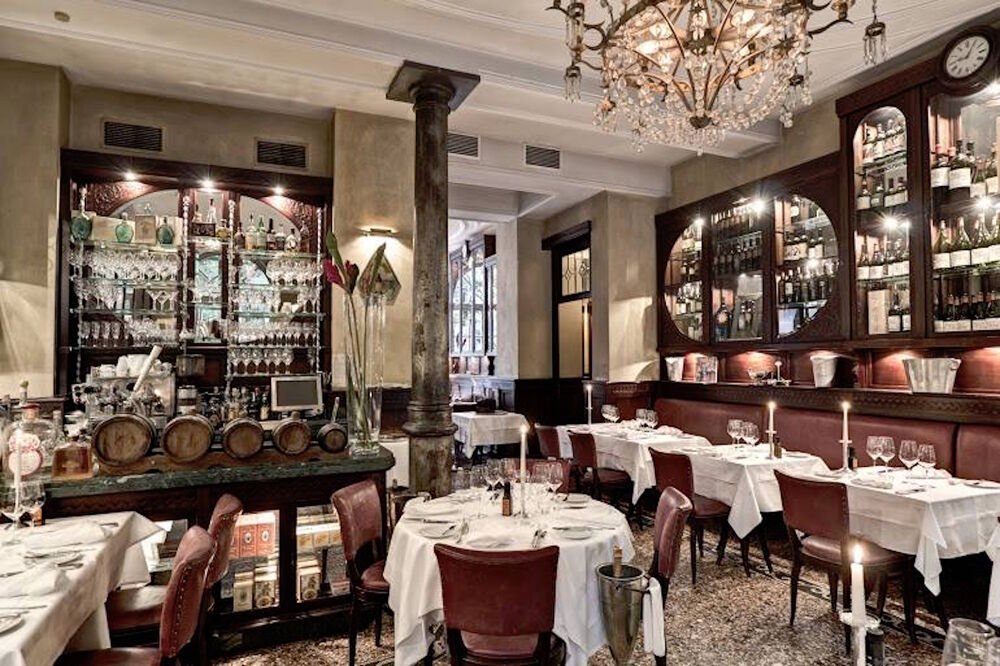
Modern Fusion Fine Dining
ROTER HAHN by Maximilian Schmidt
Regensburg, Germany
★
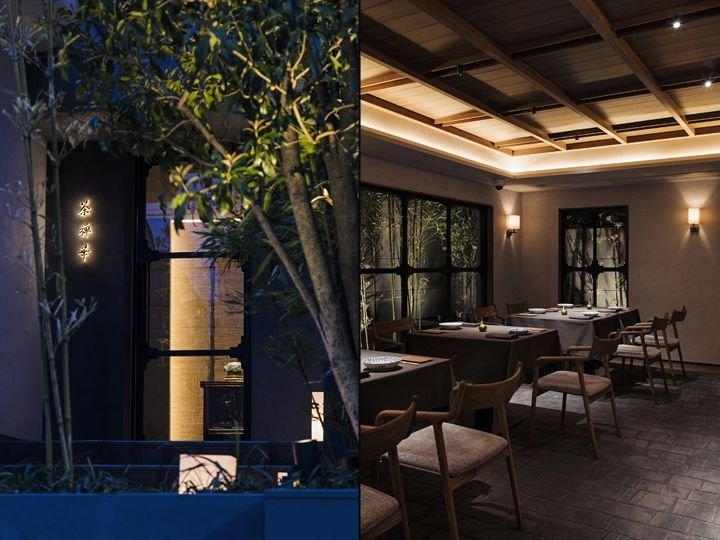
Modern Chinese Fine Dining
Sazenka
Tokyo, Japan
★★★ · 50 Best
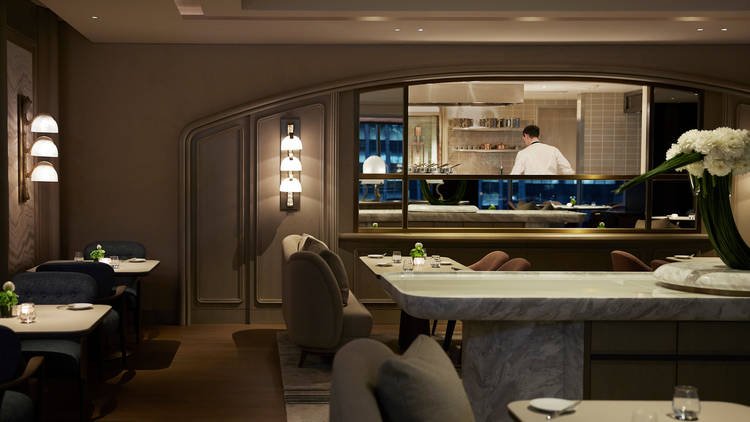
Sézanne
Tokyo, Japan
★★★ · 50 Best
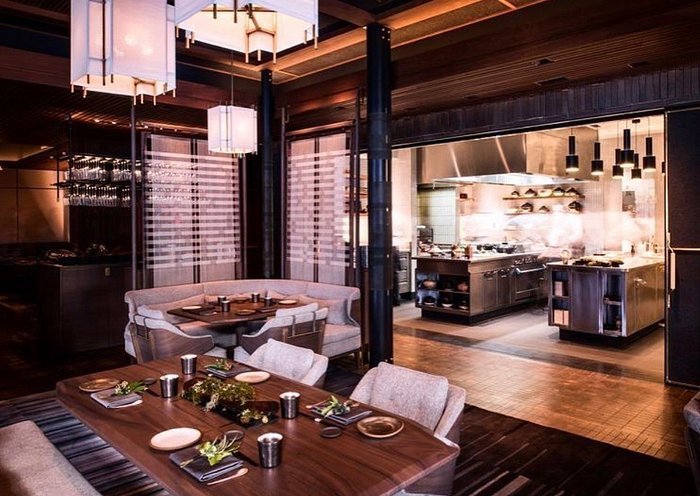
Japanese-influenced Californian Kaiseki
Single Thread Farm
Healdsburg, United States
★★★ · 50 Best