Restaurant
Quinqué
In Chamartín, Quinqué holds a Michelin Bib Gourmand and an Opinionated About Dining ranking for its precise, season-led take on Spanish home cooking. Chefs Carlos Griffo and Miguel Ángel García, both trained at Nacho Manzano's Casa Marcial, work an à la carte and tasting menu built around direct-from-auction fish, escabeche, and rice dishes. The price tier sits well below Madrid's creative fine-dining bracket, making it one of the more considered value positions in the city's northern dining corridor.
- Michelin Bib Gourmand
At a glance
- Cuisine
- Modern Spanish Bistro
- Price
- $$
- Per person
- $65
- Hours
- Mon: Closed; Tue: 1:30–4 PM, 8:30–11 PM; Wed: 1:30–4 PM, 8:30–11 PM; Thu: 1:30–4 PM, 8:30–11 PM; Fri: 1:30–4 PM, 8:30–11 PM; Sat: 1:30–4 PM, 8:30–11 PM; Sun: Closed
- Neighborhood
- Chamartín
- Rating
- 4.5 (771)
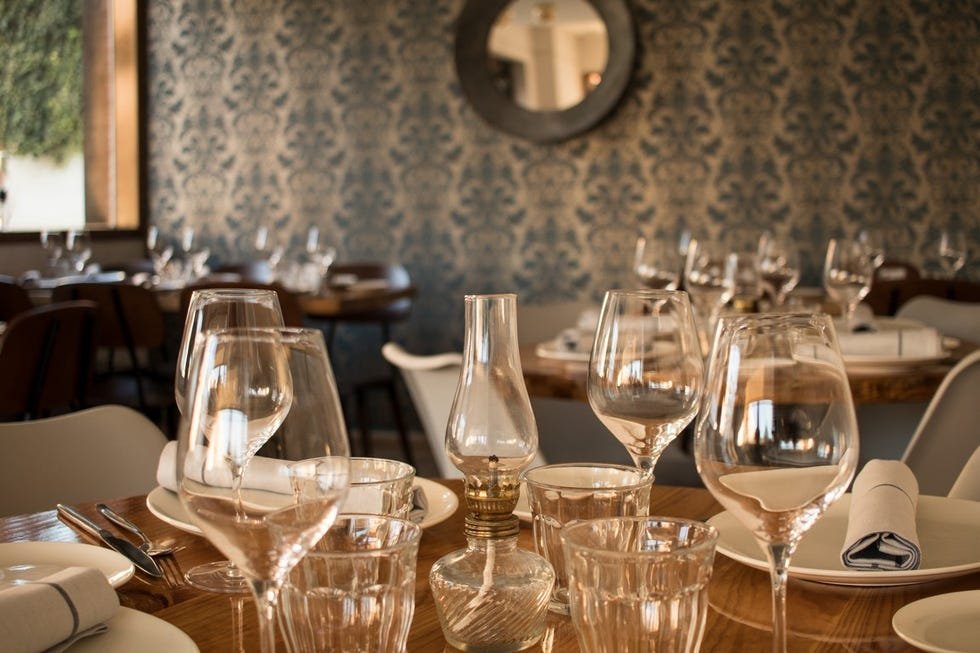
<h2>The Room and What It Signals</h2><p>The dining rooms that matter most in Madrid's mid-tier are rarely the loudest. Quinqué, on Calle de Apolonio Morales in Chamartín, operates in that register: an interior that has shifted toward the considered rather than the casual, with an open kitchen that frames the cooking as the primary event. The neighbourhood itself sits north of the city's central axis, away from the Retiro-adjacent concentrations of starred restaurants, and that distance from the tourist circuit is part of what defines the dining character here. Locals come for food that earns attention on its own terms, not because of a postcode.</p><p>Across Spain's mid-tier dining segment, the Michelin Bib Gourmand has become a reliable compass for this kind of operation: technically grounded, seasonally honest, priced to allow repeat visits rather than annual pilgrimages. Quinqué has held that designation for consecutive years (2024 and 2025), and its appearance on the Opinionated About Dining Casual in Europe list, ranked 650 in 2025 and recommended in 2023, confirms that the recognition is not isolated to a single evaluator. That cross-source consistency is more meaningful than any single badge.</p><h2>The Cooking and Its Reference Points</h2><p>Spanish traditional cooking, when it works at this level, is less about invention than about discipline. The category of <em>comida de casa</em>, home cooking, carries specific technical demands: stocks built over time, pil-pil emulsified correctly, escabeche balanced between acid and fat, rice dishes timed with the kind of precision that only repetition produces. At Quinqué, chefs Carlos Griffo and Miguel Ángel García trained through Nacho Manzano's Casa Marcial, an Asturian restaurant that has held Michelin stars for years and built its reputation on exactly this kind of ingredient-first, tradition-anchored approach. That lineage shows in the structure of the menu, which runs an à la carte alongside a tasting format and includes daily suggestions tied to what arrived from the fish auction that morning.</p><p>The specific dishes in the database record — hake tortilla with pil-pil and chilli peppers, shoulder of rabbit escabeche, rice with pigeon — are not there for novelty. They represent the Spanish kitchen at its most structurally confident: proteins that require understanding of texture and timing, sauces that punish inattention, grains that cannot be rushed. Half-plate options also feature, which places the format in the accessible mid-range rather than the commitment-heavy tasting-menu bracket that dominates Madrid's upper tier.</p><h2>Where the Wine Argument Lives</h2><p>Spain's wine identity in a room like this is inseparable from the food. The regional logic runs deep: dishes built on emulsified fish fat and chilli heat call for fino or manzanilla, the oxidative, saline sherries that cut through richness without competing with it. A pigeon rice, darker and more mineral, shifts the conversation toward Rioja Reserva or a structured Ribera del Duero, wines with the tannin architecture to match the dish's weight. This is the sommelier's Spanish education in practice: not a global list designed to impress, but a selection that exists in genuine dialogue with what is on the plate.</p><p>Priorat, which produces Garnacha and Cariñena blends of considerable intensity, represents the other end of the spectrum for the heavier escabeche preparations. The wine culture at a Bib Gourmand restaurant of this type tends toward regional honesty rather than premium-label accumulation, which is its own editorial argument: the pairings work because the selection is made with the cooking in mind, not the other way around. For visitors building a broader understanding of Spanish wine, a meal structured around fino with the hake and a mid-weight Rioja with the meat courses is as instructive as any formal tasting.</p><h2>Placing Quinqué in Madrid's Dining Tiers</h2><p>Madrid's restaurant structure has separated into distinct price and format bands. At the leading end, restaurants like <a href="https://www.enprimeurclub.com/restaurants/diverxo-madrid-restaurant">DiverXO</a>, <a href="https://www.enprimeurclub.com/restaurants/coque-madrid-restaurant">Coque</a>, <a href="https://www.enprimeurclub.com/restaurants/deessa-madrid-restaurant">Deessa</a>, and <a href="https://www.enprimeurclub.com/restaurants/dstage-madrid-restaurant">DSTAgE</a> operate at the €€€€ tier, with tasting menus, extensive wine programmes, and the full apparatus of contemporary fine dining. Below that, a smaller but significant group occupies the €€ bracket with genuine technical ambition, and Quinqué is among the more consistently recognised members of that cohort.</p><p>The comparison with <a href="https://www.enprimeurclub.com/restaurants/taberna-pedraza-madrid-restaurant">Taberna Pedraza</a> is instructive: both operate in the traditional Spanish register in Madrid, both have earned critical attention, and both represent the argument that the city's most honest cooking does not require the highest price point. The Bib Gourmand framework was built for precisely this positioning.</p><p>For visitors moving through Spain's broader dining geography, Quinqué belongs to a different conversation than the destination restaurants , <a href="https://www.enprimeurclub.com/restaurants/arzak-san-sebastian-restaurant">Arzak in San Sebastián</a>, <a href="https://www.enprimeurclub.com/restaurants/el-celler-de-can-roca-girona-restaurant">El Celler de Can Roca in Girona</a>, <a href="https://www.enprimeurclub.com/restaurants/disfrutar-barcelona-restaurant">Disfrutar in Barcelona</a>, <a href="https://www.enprimeurclub.com/restaurants/quique-dacosta-denia-restaurant">Quique Dacosta in Dénia</a>, <a href="https://www.enprimeurclub.com/restaurants/azurmendi-larrabetzu-restaurant">Azurmendi in Larrabetzu</a>, and <a href="https://www.enprimeurclub.com/restaurants/aponiente-el-puerto-de-santa-maria-restaurant">Aponiente in El Puerto de Santa María</a> , but it represents the other side of why Spanish food culture is worth sustained attention. The destination restaurants demonstrate what the tradition can become; Quinqué demonstrates what it looks like when it is practiced with rigour and without inflation.</p><p>For those building an understanding of the full spectrum, comparing a meal here against the approach taken at <a href="https://www.enprimeurclub.com/restaurants/le-bernardin">Le Bernardin in New York City</a> or <a href="https://www.enprimeurclub.com/restaurants/atomix">Atomix in New York City</a> illustrates how national culinary traditions at mid-tier and high-tier levels interact differently in different cities.</p><h2>Planning a Visit</h2><p>Quinqué is located at C. de Apolonio Morales, 3, in the Chamartín district of northern Madrid (28036). It carries a Google rating of 4.5 from 748 reviews, which at that volume indicates consistent execution rather than a statistical anomaly.</p><p>Note that the hours listed in available data show the restaurant as currently closed across all days. Verify current operating days directly before planning, as seasonal closures and schedule changes at this size of operation are common and not always reflected in third-party listings. Booking method details are not confirmed in available data; contact via the address or through restaurant booking platforms used in Madrid is the practical route.</p><table><thead><tr><th>Venue</th><th>Price Tier</th><th>Format</th><th>Recognition</th></tr></thead><tbody><tr><td>Quinqué</td><td>€€</td><td>À la carte + tasting menu</td><td>Michelin Bib Gourmand 2024–2025, OAD 2023–2025</td></tr><tr><td>Taberna Pedraza</td><td>€€–€€€</td><td>À la carte</td><td>Critical editorial coverage</td></tr><tr><td>DiverXO</td><td>€€€€</td><td>Tasting menu only</td><td>Michelin Three Stars</td></tr><tr><td>DSTAgE</td><td>€€€€</td><td>Tasting menu</td><td>Michelin Two Stars</td></tr><tr><td>Coque</td><td>€€€€</td><td>Tasting menu</td><td>Michelin Two Stars</td></tr></tbody></table><p>For broader planning across the city, see <a href="https://www.enprimeurclub.com/restaurants/madrid">our full Madrid restaurants guide</a>, <a href="https://www.enprimeurclub.com/hotels/madrid">our full Madrid hotels guide</a>, <a href="https://www.enprimeurclub.com/bars/madrid">our full Madrid bars guide</a>, <a href="https://www.enprimeurclub.com/wineries/madrid">our full Madrid wineries guide</a>, and <a href="https://www.enprimeurclub.com/experiences/madrid">our full Madrid experiences guide</a>.</p><h2 id="cuisine">What People Recommend at Quinqué</h2><p>The dishes that appear most consistently in the restaurant's documented menu represent the structural range of the kitchen: the hake tortilla with pil-pil and chilli peppers (fish cookery requiring emulsification technique and heat balance), shoulder of rabbit escabeche (a preservation-based preparation that relies on vinegar and fat calibration), and rice with pigeon (the most technically demanding of the three, given rice's intolerance of inattention during cooking). Daily fish suggestions, sourced directly from the morning auction, shift with availability and represent the most seasonal point of entry into what the kitchen is working with on a given service. Half-plate options offer a lower-commitment route through the menu for those wanting range over depth. The Michelin Bib Gourmand and OAD recognition attached to this kitchen , earned across multiple consecutive years , confirm that the execution of these dishes meets a documented standard, not a claimed one.</p>
Know before you go
- Dress code
- smart_casual
- Reservations
- recommended
- Parking
- street
- Payment
- credit_card, debit_card, cash
- Groups
- Welcomed
Frequently asked
What type of food is Quinqué known for?
Quinqué is categorized in our database as Spanish, Traditional Cuisine.
What distinctions does Quinqué have?
Quinqué has received recognition including: Having worked in various prestigious restaurants such as Nacho Manzano’s legendary Casa Marcial, chefs Carlos Griffo and Miguel Ángel García do their utmost to combine the skills they have learnt to create “comida de casa” – traditional hom….
What do people recommend at Quinqué?
The dishes that recur most in documented accounts of Quinqué's menu include the hake tortilla with pil-pil and chilli peppers, shoulder of rabbit escabeche, and rice with pigeon. The kitchen also runs daily suggestions built around fish sourced direct from auction, which shift with what has come in that morning. Half-plate options extend the range for those eating across more of the menu. These dishes reflect the kitchen's stated approach: comida de casa updated in format but faithful to the original flavour logic.
Is Quinqué expensive?
Pricing at Quinqué is listed as €€.
When can I go to Quinqué?
Hours at Quinqué: Hours: Monday Closed Tuesday Closed Wednesday Closed Thursday Closed Friday Closed Saturday Closed Sunday Closed.
Address
C. de Apolonio Morales, 3, Chamartín, 28036 Madrid, Spain
Chamartín
How it compares
- Cuisine
- Spanish, Traditional Cuisine
- Awards
- Having worked in various prestigious restaurants such as Nacho Manzano’s legendary Casa Marcial, chefs Carlos Griffo and Miguel Ángel García do their utmost to combine the skills they have learnt to create “comida de casa” – traditional home cooking based around seasonal ingredients, albeit in an updated format, but one that still respects their full flavours. The interior, which is now more elegant and features an open kitchen, provides the backdrop for an à la carte (including dishes such as hake tortilla with pil-pil and chilli peppers, shoulder of rabbit escabeche, rice with pigeon, etc) and a tasting menu. You’ll also find frequent daily suggestions, featuring fish sourced direct from the auction, plus some half-plate options.; Opinionated About Dining Casual in Europe Ranked #650 (2025); Michelin Bib Gourmand (2025); Michelin Bib Gourmand (2024); Opinionated About Dining Casual in Europe Recommended (2023)
- Notes
- This venue
- Cuisine
- Progressive - Asian, Creative
- Awards
- Michelin 3 Star, World's 50 Best
- Notes
- Progressive - Asian, Creative, €€€€
- Cuisine
- Modern Spanish, Creative
- Awards
- Michelin 2 Star
- Notes
- Modern Spanish, Creative, €€€€
- Cuisine
- Progressive Asador, Contemporary
- Awards
- Michelin 2 Star
- Notes
- Progressive Asador, Contemporary, €€€€
- Cuisine
- Spanish, Creative
- Awards
- Michelin 2 Star
- Notes
- Spanish, Creative, €€€€
- Cuisine
- Creative
- Awards
- Michelin 2 Star
- Notes
- Creative, €€€€
In residence
Similar places
Modern Spanish Fine Dining
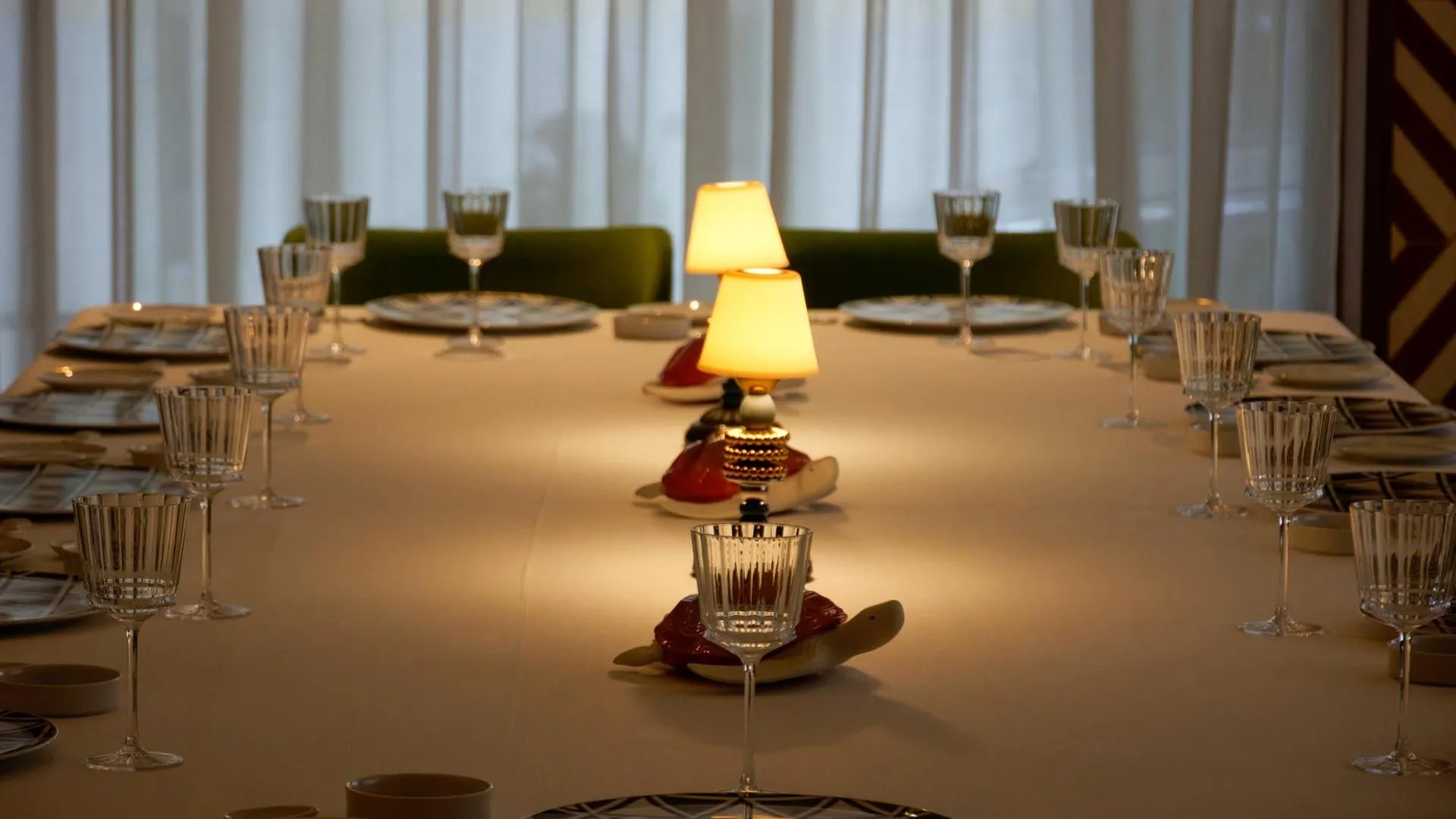
Coque
Madrid, Spain
★★
Avant-Garde Spanish Tasting Menu
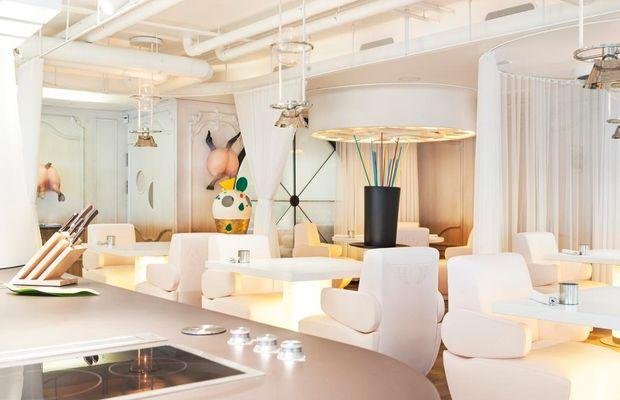
DiverXO
Madrid, Spain
★★★ · 50 Best
Avant-Garde Spanish Fine Dining
Paco Roncero
Madrid, Spain
★★
Avant-Garde Spanish Tasting Menus
DSTAgE
Madrid, Spain
★★
Classic Spanish Fine Dining
Saddle
Madrid, Spain
★
Modern Valencian Fine Dining
Deessa
Madrid, Spain
★★