Restaurant
Apicius
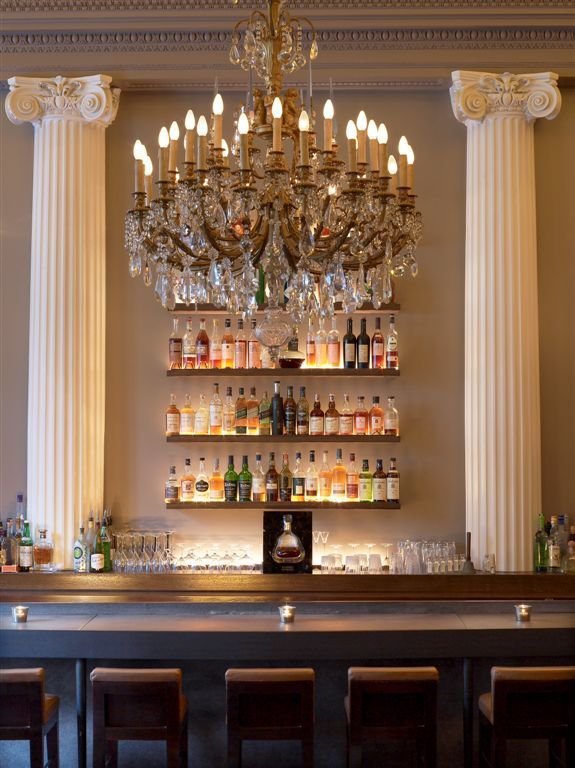
Operating from a basement in Yurakucho for over four decades, Apicius is one of Tokyo's most enduring French grand maisons, holding a Tabelog Silver Award and a Michelin Plate recognition. Dinner runs JPY 50,000–59,999 with a 12% service charge, placing it firmly in Tokyo's top-tier French bracket. The dress code, private rooms, and dedicated sommelier signal a deliberately formal register that fewer restaurants in the city still maintain.
At a glance
- Cuisine
- Classic French Grande Maison
- Price
- $$$$
- Per person
- $142
- Hours
- Mon: 11:30 AM–3 PM, 5:30–11 PM; Tue: 11:30 AM–3 PM, 5:30–11 PM; Wed: 11:30 AM–3 PM, 5:30–11 PM; Thu: 11:30 AM–3 PM, 5:30–11 PM; Fri: 11:30 AM–3 PM, 5:30–11 PM; Sat: 11:30 AM–3 PM, 5:30–11 PM; Sun: Closed
- Neighborhood
- Yurakucho
- Rating
- 4.5 (526)
<h2>A Basement That Has Outlasted Every Trend</h2><p>Descending below street level in the Sericultural Hall on Yurakucho's main artery, the first thing you notice is what isn't there. No ambient electronic score, no theatrical lighting rig, no open kitchen designed to broadcast the cooking as performance. Tokyo's French dining scene has spent the past two decades fragmenting into naturalist bistros, Franco-Japanese fusion counters, and chef-table tasting formats, yet the grand maison template that Apicius represents has remained stubbornly intact. In a dining culture that rewards novelty, that kind of institutional continuity is a statement in itself.</p><p>The interior deploys canvases by Maurice Utrillo and Bernard Buffet against an art nouveau framework, which places it in a tradition of Parisian salon dining rather than contemporary minimalism. Sofa seating and a measured pace of service reinforce the register. Where competitors like <a href="https://www.enprimeurclub.com/restaurants/leffervescence-tokyo-restaurant">L'Effervescence</a> and <a href="https://www.enprimeurclub.com/restaurants/florilege">Florilège</a> have built international reputations on restless culinary evolution, Apicius occupies a different position: a restaurant whose authority derives from demonstrated permanence rather than critical momentum.</p><h2>Where Tokyo's French Scene Places This Room</h2><p>Tokyo currently operates one of the most competitive French restaurant markets outside France. At the very leading of that bracket sit places like <a href="https://www.enprimeurclub.com/restaurants/chateau-restaurant-joel-robuchon-tokyo-restaurant">Château Restaurant Joël Robuchon</a> and <a href="https://www.enprimeurclub.com/restaurants/sezanne-tokyo-restaurant">Sézanne</a>, each with Michelin stars and heavy international press. Apicius sits adjacent to that cohort rather than inside it: a Michelin Plate recognition and a Tabelog Silver Award (2024–2025), with a score of 4.30 and consistent presence on the Tabelog French Tokyo Top 100 list in 2021, 2023, and 2025. That particular trajectory, twelve consecutive Tabelog Award cycles since 2017 — moving from Bronze to Silver and back — maps a restaurant that has held its position over a long arc rather than spiked with a new chef appointment.</p><p>The pricing places it within Tokyo's upper French tier regardless of star count. Tabelog's listed dinner budget runs JPY 50,000–59,999, with review-derived averages suggesting JPY 60,000–79,999 once wine is added. Lunch, by contrast, sits at JPY 10,000–14,999, which is structurally the most accessible entry point to a room that otherwise prices at full grand maison level. For comparison, <a href="https://www.enprimeurclub.com/restaurants/esquisse-tokyo-restaurant">ESqUISSE</a>, another enduring Tokyo French address, occupies a broadly similar pricing register. Both represent the argument that classical French cooking in Tokyo is not cheaper simply because it lacks Michelin stars in a given year.</p><h2>On Sourcing and the Logic of the Long-Established Kitchen</h2><p>The editorial angle that makes Apicius interesting in 2025 is precisely its relationship to sourcing as institutional knowledge rather than as a marketing strategy. In newer French restaurants across Tokyo and elsewhere in Japan, sourcing narratives tend to drive menu construction: a particular farm, a seasonal forager, a named Japanese fisher. That model suits restaurants built around a chef's evolving creative identity. A kitchen with over four decades of operation has a different relationship to its supply chain. Relationships with producers are longer, less likely to shift with trends, and more deeply embedded in the kitchen's muscle memory.</p><p>Mousse of sea urchin, caviar, and vegetables described as a signature handed down from the restaurant's founding chef is the clearest available evidence of this. Dishes that survive multiple chef generations do so because they represent supply-chain reliability as much as culinary vision: the kitchen can consistently source the quality of sea urchin the dish requires. In a city where premium uni sourcing is ferociously competitive across sushi, kaiseki, and French formats, a French house maintaining this dish across decades is making a quiet but specific argument about its access to ingredients. Chef Mathieu Pacaud is named in connection with the restaurant, placing it within a lineage of classical French training rather than the naturalist or Franco-Japanese fusion schools that have attracted more recent critical attention.</p><p>This sourcing continuity distinguishes Apicius from the more concept-driven addresses in Tokyo's French scene. <a href="https://www.enprimeurclub.com/restaurants/leffervescence-tokyo-restaurant">L'Effervescence</a> explicitly foregrounds Japanese producer relationships as a creative driver. Apicius, by contrast, treats its ingredient relationships as operational infrastructure, visible in the menu's stability rather than in seasonal chef's notes. Neither approach is inherently superior; they reflect different philosophies about what a French restaurant in Tokyo should be.</p><p>The wine program signals a similar orientation. The database lists the kitchen as wine-focused, with a dedicated sommelier. In a basement room with no view and no theatrical kitchen, the cellar and service ritual carry the experiential weight that other rooms delegate to architecture or presentation. At JPY 60,000–79,999 per head based on actual spend, the wine component is a significant part of what guests are paying for, and a sommelier-led experience at this price point implies a depth of older vintages rather than a rotating natural wine selection.</p><h2>The Room, the Rules, and Who Comes Here</h2><p>Apicius runs 50 seats, which gives it scale above the intimate counter formats that dominate Tokyo's high-end eating conversation but well below the banquet-hall territory of some Western grand maison equivalents. Private rooms named Azur (room fee: ¥6,600) and Garnet (room fee: ¥13,200) extend the offer to corporate and celebratory use, and the Tabelog notes indicate private full-venue hire is available. The cancellation policy , course fee per person for cancellations within 24 hours, or a ¥27,060 per-person dinner fee for seat-only bookings , is among the more formal in Tokyo, which tells you something about the clientele this room expects.</p><p>The dress code is enforced rather than suggested. Jackets required for men; jeans, sneakers, shorts, tank tops, sandals, and T-shirts excluded for both. Children below middle school age are restricted to private rooms, and preschool-aged children cannot be accommodated outside of that. These are not unusual rules for a grand maison of this generation, but they are rules that Tokyo's newer French addresses have largely abandoned. The decision to maintain them is a positioning choice as much as a preference.</p><p>Access is direct: two minutes on foot from JR Yurakucho Station's Central West Exit, and 131 metres from Hibiya Metro. The building sits in a commercial district where expense-account dining has long been normalised, which partially explains how a restaurant at this price point sustains consistent occupancy across lunch and dinner six days a week. Sunday is the one dark day. The 12% service charge is added to all bills. Credit cards including Visa, Mastercard, JCB, Amex, Diners, and UnionPay are accepted; electronic money and QR payment are not.</p><p>For guests planning around Tokyo's broader culinary geography, the Yurakucho and Hibiya area positions Apicius within walking distance of the Marunouchi and Ginza corridors, where much of the city's high-end dining concentration sits. See <a href="https://www.enprimeurclub.com/restaurants/tokyo">our full Tokyo restaurants guide</a> for the wider picture, and <a href="https://www.enprimeurclub.com/hotels/tokyo">our full Tokyo hotels guide</a>, <a href="https://www.enprimeurclub.com/bars/tokyo">bars guide</a>, and <a href="https://www.enprimeurclub.com/experiences/tokyo">experiences guide</a> for planning the rest of a visit. For those travelling beyond the capital, comparable French-lineage fine dining in Japan includes <a href="https://www.enprimeurclub.com/restaurants/hajime-osaka-restaurant">HAJIME in Osaka</a> and <a href="https://www.enprimeurclub.com/restaurants/akordu-nara-restaurant">akordu in Nara</a>; outside Japan entirely, the classical French grand maison tradition is represented by <a href="https://www.enprimeurclub.com/restaurants/hotel-de-ville-crissier-crissier-restaurant">Hotel de Ville Crissier in Crissier</a> and <a href="https://www.enprimeurclub.com/restaurants/les-amis-singapore-restaurant">Les Amis in Singapore</a>. Elsewhere in Japan's broader dining map, <a href="https://www.enprimeurclub.com/restaurants/gion-sasaki-kyoto-restaurant">Gion Sasaki in Kyoto</a>, <a href="https://www.enprimeurclub.com/restaurants/goh-fukuoka-restaurant">Goh in Fukuoka</a>, <a href="https://www.enprimeurclub.com/restaurants/1000-yokohama-restaurant">1000 in Yokohama</a>, and <a href="https://www.enprimeurclub.com/restaurants/6-okinawa-restaurant">6 in Okinawa</a> map a country where serious cooking extends well beyond the capital's restaurant dense corridors. <a href="https://www.enprimeurclub.com/wineries/tokyo">Tokyo wineries</a> rounds out the picture for those interested in the Japanese wine scene.</p><h2>FAQ</h2><dl><dt><strong>What's the must-try dish at Apicius?</strong></dt><dd>The sea urchin, caviar, and vegetable mousse is the dish most directly tied to the restaurant's history, described as a signature passed down from its first chef. It functions as the clearest single expression of what Apicius has chosen to preserve: a classical French treatment of premium Japanese ingredients maintained across multiple chef generations. At a dinner price of JPY 50,000–79,999 per person, it represents the most direct point of access to what distinguishes this address from newer French restaurants in the city. The Tabelog Silver Award (2024–2025), a score of 4.30, and continuous presence on the Tabelog French Tokyo Top 100 since 2021 provide the external benchmarks for that assessment.</dd></dl>
Know before you go
- Dress code
- smart_casual
- Reservations
- essential
- Parking
- garage_nearby
- Payment
- credit_card
- Groups
- Welcomed
Frequently asked
Is Apicius Michelin-listed?
Apicius has received recognition including: In a basement in the Yurakucho area, Apicius, is a true guardian of tradition. There is no need for moody music nor spectacular view of the metropolis. Instead, your experience will be spotlessly perf...; {"Year":"2026","Award Source":"Tabe….
How do I find Apicius?
Apicius is located at Japan, 〒100-0006 Tokyo, Chiyoda City, Yurakucho, 1 Chome−9−4 B1, Tokyo.
What's the must-try dish at Apicius?
The mousse of sea urchin, caviar and vegetables is the one dish with documented institutional weight — it has been carried forward from the restaurant's founding chef and is specifically cited in the venue's own descriptions as a signature. At dinner prices running JPY 50,000–59,999 per person before the 12% service charge, it anchors the upper end of Tokyo's classical French bracket alongside the room's broader commitment to tradition over novelty.
How would you describe the cuisine at Apicius?
Apicius is categorized in our database as French.
What days is Apicius closed?
Hours at Apicius: Hours: Monday 11:30 am–1:30 pm, 5:30–8:30 pm Tuesday 11:30 am–1:30 pm, 5:30–8:30 pm Wednesday 11:30 am–1:30 pm, 5:30–8:30 pm Thursday 11:30 am–1:30 pm, 5:30–8:30 pm Friday 11:30 am–1:30 pm, 5:30–8:30 pm Saturday 11:30 am–1:30 pm, 5:30–8:30 pm Sunday Closed.
Who is the chef connected to Apicius?
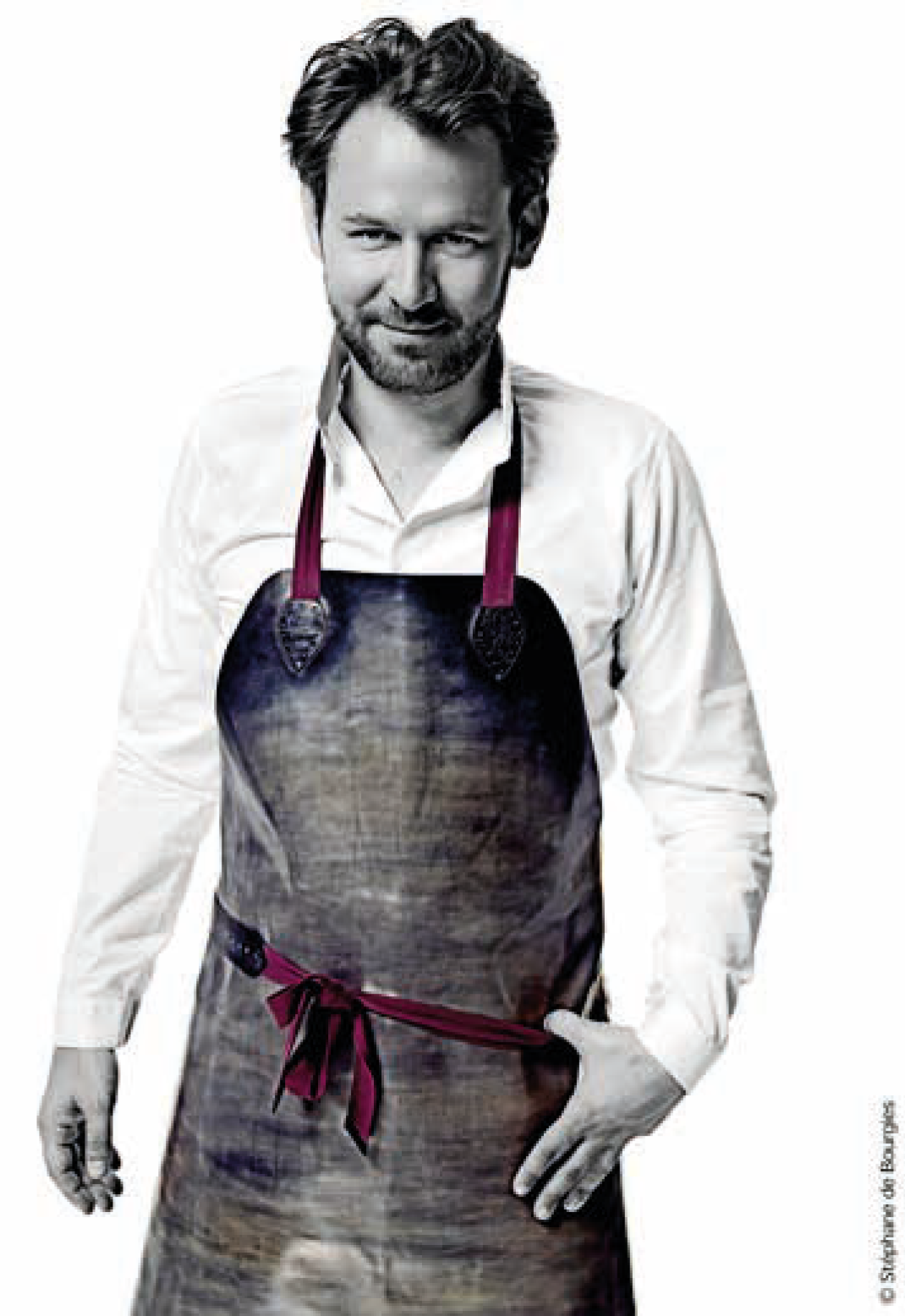
The chef associated with Apicius is Mathieu Pacaud.
Address
Japan, 〒100-0006 Tokyo, Chiyoda City, Yurakucho, 1 Chome−9−4 B1
Yurakucho
How it compares
- Cuisine
- French
- Awards
- In a basement in the Yurakucho area, Apicius, is a true guardian of tradition. There is no need for moody music nor spectacular view of the metropolis. Instead, your experience will be spotlessly perf...; {"Year":"2026","Award Source":"Tabelog","Award Type":"The Tabelog Award","Award Group":"bronze","Award Group Rank":"21","Restaurant Name":"APICIUS","Score":"4.30","Budget":"Dinner: JPY 50,000 - JPY 59,999; Lunch: JPY 10,000 - JPY 14,999","Budget Dinner":"JPY 50,000 - JPY 59,999","Budget Lunch":"JPY 10,000 - JPY 14,999","Price":"JPY 50,000 - JPY 59,999 JPY 10,000 - JPY 14,999","Average Price":"JPY 50,000 - JPY 59,999 JPY 10,000 - JPY 14,999","Average Price (Based on reviews)":"JPY 60,000 - JPY 79,999 JPY 10,000 - JPY 14,999 View spending breakdown","Featured Item":"N/A","Full Address (with ZIP)":"東京都千代田区有楽町1-9-4 蚕糸会館 B1F, 1000006, Japan","Address":"東京都千代田区有楽町1-9-4 蚕糸会館 B1F","Postal Code":"1000006","City":"Yurakucho Chiyoda Tokyo","State":"Tokyo","Country":"Japan","Phone":"+81332141361","Phone Raw":"+81-3-3214-1361","Website":"","Description":"Check out APICIUS/APICIUS (Hibiya/French) on Tabelog! A long-established grand maison with over 40 years of history. Experience authentic French cuisine in an unparalleled adult social space. [Private rooms available / No Smoking] Discover Japanese restaurants featuring detailed information such as menus and maps, along with user-posted reviews, ratings, and photos!","Categories":"French","Awards & Recognitions":"The Tabelog Award 2026 Bronze winner The Tabelog Award 2026 Bronze winner The Tabelog Award 2025 Silver winner The Tabelog Award 2025 Silver winner The Tabelog Award 2024 Silver winner The Tabelog Award 2024 Silver winner The Tabelog Award 2023 Bronze winner The Tabelog Award 2023 Bronze winner The Tabelog Award 2022 Bronze winner The Tabelog Award 2022 Bronze winner The Tabelog Award 2021 Bronze winner The Tabelog Award 2021 Bronze winner The Tabelog Award 2020 Bronze winner The Tabelog Award 2020 Bronze winner The Tabelog Award 2019 Bronze winner The Tabelog Award 2019 Bronze winner Selected for Tabelog French TOKYO \"Tabelog 100\" 2025 Selected for Tabelog French TOKYO \"Tabelog 100\" 2025 Selected for Tabelog French TOKYO \"Tabelog 100\" 2023 Selected for Tabelog French TOKYO \"Tabelog 100\" 2023 Selected for Tabelog French TOKYO \"Tabelog 100\" 2021 Selected for Tabelog French TOKYO \"Tabelog 100\" 2021 受賞・選出歴 閉じる The Tabelog Award 受賞歴 2026年Bronze受賞店 The Tabelog Award 2026 Bronze 受賞店 2025年Silver受賞店 The Tabelog Award 2025 Silver 受賞店 2024年Silver受賞店 The Tabelog Award 2024 Silver 受賞店 2023年Bronze受賞店 The Tabelog Award 2023 Bronze 受賞店 2022年Bronze受賞店 The Tabelog Award 2022 Bronze 受賞店 2021年Bronze受賞店 The Tabelog Award 2021 Bronze 受賞店 2020年Bronze受賞店 The Tabelog Award 2020 Bronze 受賞店 2019年Bronze受賞店 The Tabelog Award 2019 Bronze 受賞店 2018年Bronze受賞店 The Tabelog Award 2018 Bronze 受賞店 2017年Bronze受賞店 The Tabelog Award 2017 Bronze 受賞店 百名店 選出歴 フレンチ 百名店 2025 選出店 食べログ フレンチ TOKYO 百名店 2025 選出店 フレンチ 百名店 2023 選出店 食べログ フレンチ TOKYO 百名店 2023 選出店 フレンチ 百名店 2021 選出店 食べログ フレンチ TOKYO 百名店 2021 選出店","Reservation availability":"Reservations available * Please note that even if the system shows that we are fully booked, there may still be availability for reservations. Please contact us by phone for inquiries. * For celebrations and anniversaries, we will prepare a message plate with the dessert. * If you would like a whole cake for a special occasion, please make your request at least one week in advance. For flower arrangements, please request them at least three days in advance (additional charges apply). * If you wish to reserve the private room \"Azur,\" a room fee of 6,600 yen will be charged. For the private room \"Garnet,\" a room fee of 13,200 yen will be charged.","Business hours":"Mon, Tue, Wed, Thu, Fri, Sat, Public Holiday, Day before public holiday, Day after public holiday 11:30 - 15:00 L.O. 13:00 17:30 - 23:00 L.O. 20:00 Sun Closed","Payment methods":"Credit card accepted (VISA, Master, JCB, AMEX, Diners, UnionPay) Electronic money not accepted QR code payments not accepted","Private rooms":"Available For 2 people, For 4 people, For 6 people, For 8 people, For 10-20 people","Non-smoking/smoking":"Non smoking","Number of seats":"50 seats","Private use":"Available","Parking":"Unavailable The Sericulture Hall has a paid parking lot. Low-height vehicles with a 3-number plate are not allowed. For such vehicles, the nearest option is the Electric Building.","Space/facilities":"Stylish space, Relaxing space, Sofa seating","Drink":"Wine, Cocktails available, Particular about wine","Food":"N/A","Service":"Celebrations and surprises(Birthday plate), Sommelier available, Take-out","Family friendly":"Children welcome Dining is available for guests aged middle school and older. (Jacket required; jeans and sneakers are not permitted.) Guests under middle school age may use private rooms, but we regret to inform you that we cannot accommodate preschool-aged children.","Service charge & fee":"Service charge 12% Original text サービス料12% This section has been automatically translated. Please check with the restaurant for accurate information.","Dress code":"【Dress Code】 We kindly ask gentlemen to wear a jacket. Both men and women are requested to refrain from wearing casual attire such as jeans, sneakers, shorts, tank tops, sandals, and T-shirts. Please note that entry may be denied for those not adhering to the dress code.","Maximum party size":"N/A","Location":"Hideout","Occasion":"Family friendly This occasion is recommended by many people.","Remarks":"If you cancel due to your circumstances after 24 hours prior to your reservation date and time, customers who ordered a course will be charged the course fee multiplied by the number of people. Customers who ordered only seats will be charged a cancellation fee of ¥9,900 per person during lunch hours and ¥27,060 per person during dinner hours.","The opening day":"N/A","Receipt (Qualified simple invoice)":"N/A","Latitude":"35.67525503791275","Longitude":"139.76111488316602","Primary Image URL":"","Image URL Count":"20","Image URLs":"","Restaurant ID":"13000145","Source URL":"","Raw Details JSON":"{\"Restaurant name\":\"APICIUS\",\"Awards & Recognitions\":\"The Tabelog Award 2026 Bronze winner The Tabelog Award 2026 Bronze winner The Tabelog Award 2025 Silver winner The Tabelog Award 2025 Silver winner The Tabelog Award 2024 Silver winner The Tabelog Award 2024 Silver winner The Tabelog Award 2023 Bronze winner The Tabelog Award 2023 Bronze winner The Tabelog Award 2022 Bronze winner The Tabelog Award 2022 Bronze winner The Tabelog Award 2021 Bronze winner The Tabelog Award 2021 Bronze winner The Tabelog Award 2020 Bronze winner The Tabelog Award 2020 Bronze winner The Tabelog Award 2019 Bronze winner The Tabelog Award 2019 Bronze winner Selected for Tabelog French TOKYO \\\"Tabelog 100\\\" 2025 Selected for Tabelog French TOKYO \\\"Tabelog 100\\\" 2025 Selected for Tabelog French TOKYO \\\"Tabelog 100\\\" 2023 Selected for Tabelog French TOKYO \\\"Tabelog 100\\\" 2023 Selected for Tabelog French TOKYO \\\"Tabelog 100\\\" 2021 Selected for Tabelog French TOKYO \\\"Tabelog 100\\\" 2021 受賞・選出歴 閉じる The Tabelog Award 受賞歴 2026年Bronze受賞店 The Tabelog Award 2026 Bronze 受賞店 2025年Silver受賞店 The Tabelog Award 2025 Silver 受賞店 2024年Silver受賞店 The Tabelog Award 2024 Silver 受賞店 2023年Bronze受賞店 The Tabelog Award 2023 Bronze 受賞店 2022年Bronze受賞店 The Tabelog Award 2022 Bronze 受賞店 2021年Bronze受賞店 The Tabelog Award 2021 Bronze 受賞店 2020年Bronze受賞店 The Tabelog Award 2020 Bronze 受賞店 2019年Bronze受賞店 The Tabelog Award 2019 Bronze 受賞店 2018年Bronze受賞店 The Tabelog Award 2018 Bronze 受賞店 2017年Bronze受賞店 The Tabelog Award 2017 Bronze 受賞店 百名店 選出歴 フレンチ 百名店 2025 選出店 食べログ フレンチ TOKYO 百名店 2025 選出店 フレンチ 百名店 2023 選出店 食べログ フレンチ TOKYO 百名店 2023 選出店 フレンチ 百名店 2021 選出店 食べログ フレンチ TOKYO 百名店 2021 選出店\",\"Categories\":\"French\",\"Phone number (for reservation and inquiry)\":\"050-5595-0241\",\"Reservation availability\":\"Reservations available * Please note that even if the system shows that we are fully booked, there may still be availability for reservations. Please contact us by phone for inquiries. * For celebrations and anniversaries, we will prepare a message plate with the dessert. * If you would like a whole cake for a special occasion, please make your request at least one week in advance. For flower arrangements, please request them at least three days in advance (additional charges apply). * If you wish to reserve the private room \\\"Azur,\\\" a room fee of 6,600 yen will be charged. For the private room \\\"Garnet,\\\" a room fee of 13,200 yen will be charged.\",\"Address\":\"東京都千代田区有楽町1-9-4 蚕糸会館 B1F Show larger map Find nearby restaurants Transportation 2 minutes walk from JR Yurakucho Station, Central West Exit 131 meters from Hibiya.\",\"Business hours\":\"Mon, Tue, Wed, Thu, Fri, Sat, Public Holiday, Day before public holiday, Day after public holiday 11:30 - 15:00 L.O. 13:00 17:30 - 23:00 L.O. 20:00 Sun Closed\",\"Average price\":\"JPY 50,000 - JPY 59,999 JPY 10,000 - JPY 14,999\",\"Average price (Based on reviews)\":\"JPY 60,000 - JPY 79,999 JPY 10,000 - JPY 14,999 View spending breakdown\",\"Payment methods\":\"Credit card accepted (VISA, Master, JCB, AMEX, Diners, UnionPay) Electronic money not accepted QR code payments not accepted\",\"Service charge & fee\":\"Service charge 12% Original text サービス料12% This section has been automatically translated. Please check with the restaurant for accurate information.\",\"Number of seats\":\"50 seats\",\"Private rooms\":\"Available For 2 people, For 4 people, For 6 people, For 8 people, For 10-20 people\",\"Private use\":\"Available\",\"Non-smoking/smoking\":\"Non smoking\",\"Parking\":\"Unavailable The Sericulture Hall has a paid parking lot. Low-height vehicles with a 3-number plate are not allowed. For such vehicles, the nearest option is the Electric Building.\",\"Space/facilities\":\"Stylish space, Relaxing space, Sofa seating\",\"Drink\":\"Wine, Cocktails available, Particular about wine\",\"Occasion\":\"Family friendly This occasion is recommended by many people.\",\"Location\":\"Hideout\",\"Service\":\"Celebrations and surprises(Birthday plate), Sommelier available, Take-out\",\"Family friendly\":\"Children welcome Dining is available for guests aged middle school and older. (Jacket required; jeans and sneakers are not permitted.) Guests under middle school age may use private rooms, but we regret to inform you that we cannot accommodate preschool-aged children.\",\"Dress code\":\"【Dress Code】 We kindly ask gentlemen to wear a jacket. Both men and women are requested to refrain from wearing casual attire such as jeans, sneakers, shorts, tank tops, sandals, and T-shirts. Please note that entry may be denied for those not adhering to the dress code.\",\"Website\":\"",\"Phone number\":\"03-3214-1361\",\"Remarks\":\"If you cancel due to your circumstances after 24 hours prior to your reservation date and time, customers who ordered a course will be charged the course fee multiplied by the number of people. Customers who ordered only seats will be charged a cancellation fee of ¥9,900 per person during lunch hours and ¥27,060 per person during dinner hours.\"}","Matched Location ID":"a653ba5b-6334-4568-9ab0-4c109c24fafb","Match Status":"matched","Match Method":"award_page_url_exact","Match Confidence":"high","Matched On URL":"","Matched DB Name":"Apicius","Matched DB Address":"B1F, 1-9-4 Yurakucho, Chiyoda-ku, Tokyo, 100-0006, Japan","Needs Review":"no","Review Reason":"","Fallback Score":"","Fallback Name Sim":"","Fallback Addr Sim":"","Fallback Loc Sim":"","Fallback City Sim":"","Fallback Country Sim":"","Fallback Phone Match":"","Fallback Domain Match":"","Fallback Explanation":""}; The name is a tribute to an epicure of ancient Rome. Masterpieces by Maurice Utrillo and Bernard Buffet decorate the art nouveau interior, creating the atmosphere of a salon. A particularly recommended menu item is the mousse of sea urchin, caviar and vegetables, a speciality handed down from the restaurant’s first chef. Interior, cuisine, wine, service: the quintessential elements of a great restaurant are here in abundance.; Michelin Plate (2025); Black Pearl 1 Diamond (2025); Tabelog Silver Award 2025 Score: 4.3 Cuisine: French / Tokyo Phone: 050-5595-0241 Hours: Mon, Tue, Wed, Thu, Fri, Sat, Public Holiday, Day before public holiday, Day after public holiday 11:30 - 15:00 L.O. 13:00 17:30 - 23:00 L.O. 20:00 Address: 194 蚕糸会館 B1F, 有楽cho, Chiyoda City, Tokyo Tabelog:
- Notes
- This venue
- Cuisine
- Sushi
- Awards
- Michelin 3 Star, World's 50 Best
- Notes
- Sushi, ¥¥¥¥
- Cuisine
- Kaiseki, Japanese
- Awards
- Michelin 3 Star, World's 50 Best
- Notes
- Kaiseki, Japanese, ¥¥¥¥
- Cuisine
- French
- Awards
- Michelin 3 Star, World's 50 Best
- Notes
- French, ¥¥¥¥
- Cuisine
- Innovtive French, French
- Awards
- Michelin 2 Star, World's 50 Best
- Notes
- Innovtive French, French, ¥¥¥¥
- Cuisine
- Innovative
- Awards
- Michelin 2 Star, World's 50 Best
- Notes
- Innovative, ¥¥¥¥
In residence
Similar places
Modern Chinese Fine Dining
Sazenka
Tokyo, Japan
★★★ · 50 Best
Sézanne
Tokyo, Japan
★★★ · 50 Best
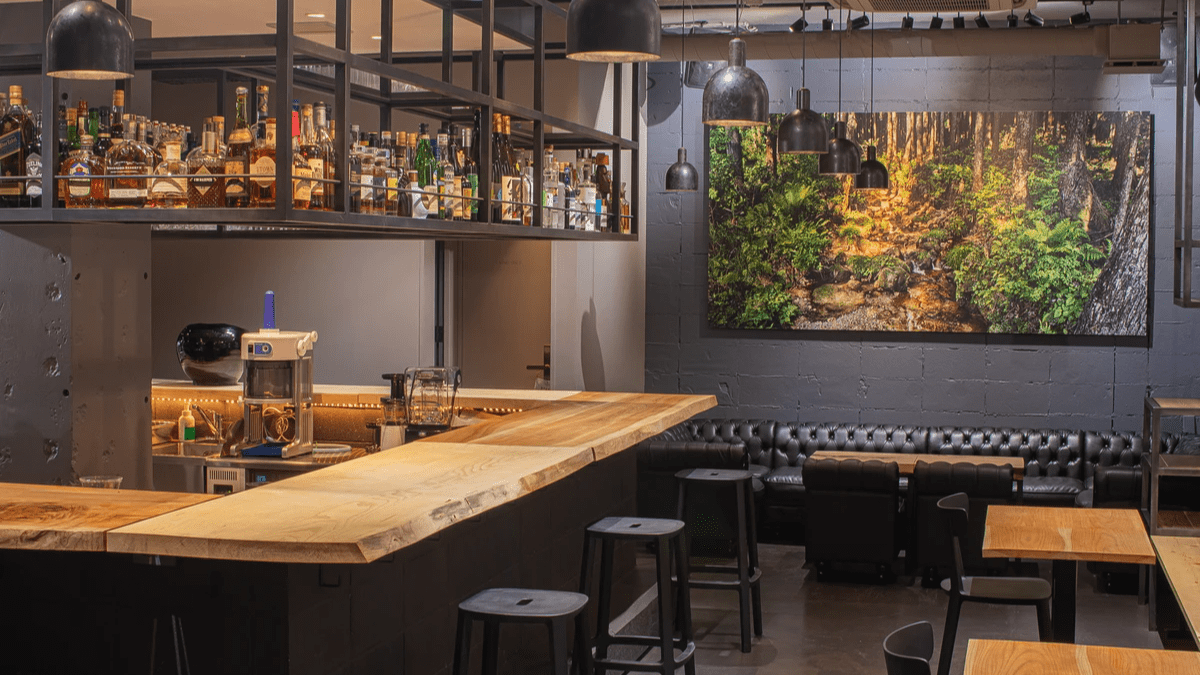
Modern Japanese Satoyama Fine Dining
Narisawa
Tokyo, Japan
★★ · 50 Best
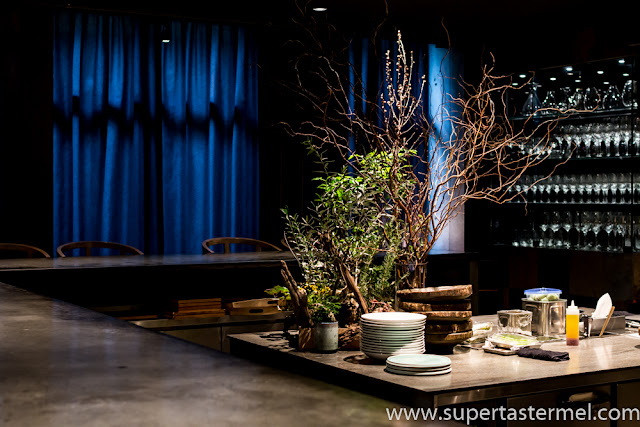
Modern French-Japanese Plant-Based Fine Dining
Florilège
Tokyo, Japan
★★ · 50 Best
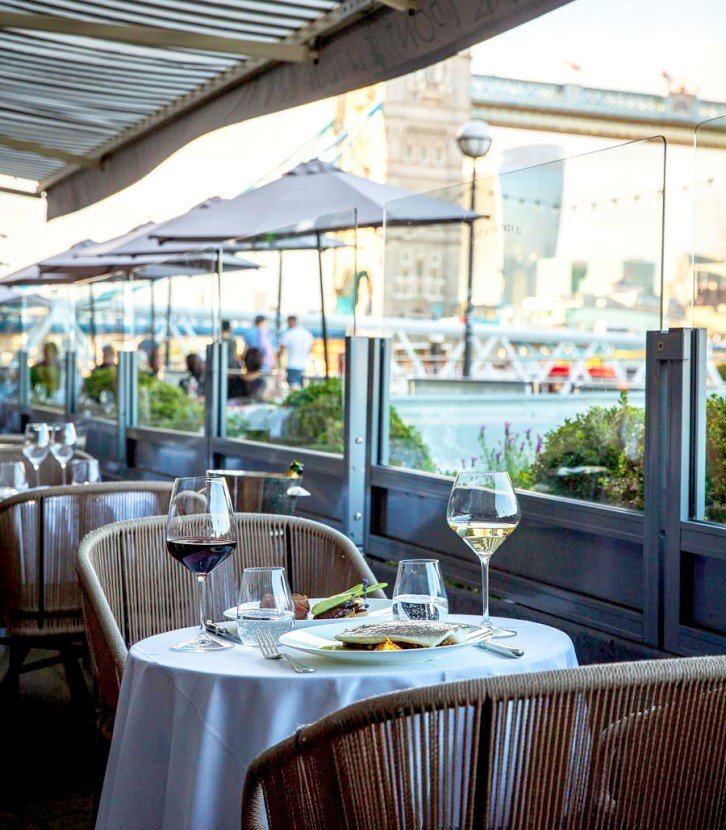
Modern French Fine Dining
Quintessence
Tokyo, Japan
★★★
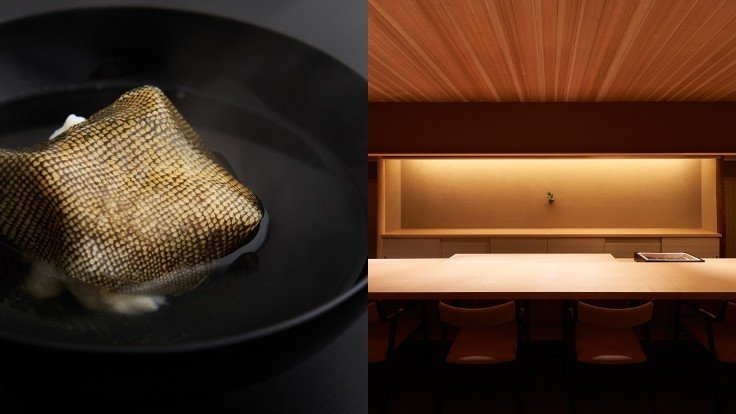
Modern Minimalist Kaiseki
Myojaku
Tokyo, Japan
★★★ · 50 Best