
Restaurant
Don Julio
Don Julio holds a Michelin star and a top-ten World's 50 Best ranking, placing it at the apex of Buenos Aires' parrilla tradition. Booking two months ahead is standard; walk-in queues form close to opening time. The wine cellar runs to 60,000 bottles, and the beef — Aberdeen Angus and Hereford, dry-aged in-house — is sourced from the restaurant's own regenerative farm outside the city.
- 1 Michelin Star
- World's 50 Best · #3
At a glance
- Cuisine
- Argentinian Parrilla Steakhouse
- Price
- $$$$
- Per person
- $140
- Hours
- Mon: 11:30 AM–4 PM, 7 PM–1 AM; Tue: 11:30 AM–4 PM, 7 PM–1 AM; Wed: 11:30 AM–4 PM, 7 PM–1 AM; Thu: 11:30 AM–4 PM, 7 PM–1 AM; Fri: 11:30 AM–4 PM, 7 PM–1 AM; Sat: 11:30 AM–4 PM, 7 PM–1 AM; Sun: 11:30 AM–4 PM, 7 PM–1 AM
- Neighborhood
- Palermo
- Rating
- 4.4 (18,488)
<h2>Getting a Table at Don Julio: What to Know Before You Try</h2><p>The corner of Guatemala and Gurruchaga in Palermo is one of the most competed-for dining addresses in South America. On any given evening, a queue forms outside Don Julio well before service begins, made up of travellers who either missed the booking window or are testing their luck. That queue is not incidental — it is part of the establishment's social contract, managed with sparkling wine and hot mini empanadas dispensed to waiting guests. It is a small but telling detail: the hospitality starts before you sit down.</p><p>The reservation picture is direct by the numbers but demanding in practice. Booking two months in advance is the working norm for anyone who wants a guaranteed table. Don Julio holds a Michelin star (awarded in both 2024 and 2025), ranks in the leading ten of the <a href="https://www.enprimeurclub.com/restaurants/buenos-aires">World's 50 Best Restaurants</a> — reaching number ten in 2024 after climbing from number 34 in 2019 , and placed fourth in the Opinionated About Dining South America rankings in 2025. That trajectory of recognition has made it one of the hardest bookings in the city, sitting in a different demand tier from comparably priced peers like <a href="https://www.enprimeurclub.com/restaurants/la-brigada-buenos-aires-restaurant">La Brigada</a> or <a href="https://www.enprimeurclub.com/restaurants/la-cabrera-buenos-aires-restaurant">La Cabrera</a>.</p><p>For those without a reservation, the practical advice is to arrive close to the 11:30 am lunch opening or just before the 7 pm dinner service begins. The restaurant runs split sessions seven days a week, closing between 4 pm and 7 pm. Both sittings draw queues, but the lunch service tends to be marginally less competitive than prime dinner hours on weekends.</p><h2>The Fire and the Room</h2><p>Entering Don Julio, the first thing that registers is not the décor but the grill. The open wood fire sits at the centre of the room's logic, and executive chef Guido Tassi's team works across a bespoke multi-level wood grill that allows different heat zones for different cuts. The smell of wood smoke and rendering fat is immediate. The walls around the dining room are lined with wine bottles carrying handwritten messages from previous guests, an accumulation of years rather than a designed feature, forming something closer to a guest book rendered in glass and label.</p><p>The space runs across two floors. Downstairs, the energy clusters around the grill and the open kitchen; upstairs is quieter, marginally more composed. Neither floor is formal in the conventional sense , the Buenos Aires parrilla tradition does not demand it , but service is considered and knowledgeable, particularly around the wine list.</p><h2>The Beef: From Farm to Grill</h2><p>Argentina's parrilla culture is built on the assumption that good beef, open fire, and sufficient time produce something that requires little intervention. Don Julio operates within that tradition but adds a layer of vertical integration that separates it from most of its peers. The Aberdeen Angus and Hereford cattle are raised on the restaurant's own farm outside Buenos Aires, using regenerative farming practices. Butchering and dry-aging happen in-house, with a standard aging period of 21 days. The adjacent butcher's shop is open to visitors and sits alongside a biodynamic garden that supplies seasonal produce to the kitchen.</p><p>That degree of supply-chain control is uncommon even at this price tier in Buenos Aires. It places Don Julio in a different conversation from steakhouses that source from third-party suppliers, however reputable. The cuts available span the standard Argentine repertoire , rib-eye, T-bone, skirt steak , alongside the restaurant's own spiral sausage. The heirloom tomato salad and grilled seasonal vegetables, grown on the farm and finished on the wood fire, are frequently cited alongside the beef as ordering priorities.</p><p>For context within the Buenos Aires dining scene, the approach here sits between the traditional parrilla format , where the beef is the whole story , and the produce-driven modern Argentine kitchens represented by places like <a href="https://www.enprimeurclub.com/restaurants/aramburu-buenos-aires-restaurant">Aramburu</a> (two Michelin stars) or <a href="https://www.enprimeurclub.com/restaurants/trescha-buenos-aires-restaurant">Trescha</a>. Don Julio is not a tasting-menu restaurant, but its sourcing rigour brings it closer to that world than a standard neighbourhood parrilla.</p><h2>The Wine Programme</h2><p>Buenos Aires' leading dining rooms have increasingly treated the wine list as a serious competitive variable, and Don Julio's cellar is among the most substantial in the country. The 60,000-bottle collection is organised to cover Argentina's producing regions comprehensively, with depth in Malbec and Torrontés alongside less common varieties. Owner Pablo Rivero oversees the wine programme directly, and it is curated to pair with the specific flavour profile of wood-grilled, dry-aged beef rather than as a general fine-wine collection. A tour of the cellar is available and worth factoring into the visit.</p><p>The wine programme is one of the signals that places Don Julio in a peer group that extends beyond Argentina. The La Liste ranking (89 points in 2025, 83 points in 2026) reflects a scoring methodology that weights service and wine alongside food, which explains why the cellar and its curation register as a distinct differentiator. For comparison, <a href="https://www.enprimeurclub.com/restaurants/crizia-buenos-aires-restaurant">Crizia</a> and other Buenos Aires contemporaries operate wine programmes of genuine quality, but none at this scale or depth of Argentine regional coverage.</p><p>Those interested in exploring Argentina's wine culture beyond Buenos Aires will find relevant context in <a href="https://www.enprimeurclub.com/restaurants/azafran-mendoza-restaurant">Azafrán in Mendoza</a>, <a href="https://www.enprimeurclub.com/restaurants/siete-fuegos-mendoza-restaurant">Siete Fuegos in Mendoza</a>, and <a href="https://www.enprimeurclub.com/restaurants/cavas-wine-lodge-alto-agrelo-restaurant">Cavas Wine Lodge in Alto Agrelo</a>, each of which approaches Argentine terroir from a different angle.</p><h2>Where Don Julio Sits in the Buenos Aires Parrilla Hierarchy</h2><p>Buenos Aires' steakhouse market spans an unusually wide range. At the lower end, neighbourhood parrillas operate with modest price points and no reservation system. In the mid-range, places like La Carniceria ($$ price tier) and El Preferido de Palermo ($$ price tier) offer serious cooking without the international profile. At the leading, a small number of restaurants have accumulated the kind of sustained global recognition that attracts a significant proportion of international visitors alongside the local clientele.</p><p>Don Julio operates at the apex of that structure by most measurable indicators: price ($$$$), award count, reservation difficulty, and supply-chain investment. Its closest Buenos Aires competitors in the international-profile steakhouse tier are limited; Elena ($$$, South American steakhouse) sits at a different price point and draws a slightly different crowd. The gap between Don Julio's World's 50 Best position and that of most of its Palermo neighbours is substantial.</p><p>For visitors building a wider Argentina itinerary, the parrilla tradition extends well beyond Buenos Aires. <a href="https://www.enprimeurclub.com/restaurants/la-bamba-de-areco-san-antonio-de-areco-restaurant">La Bamba de Areco in San Antonio de Areco</a> offers a gaucho-country context, while <a href="https://www.enprimeurclub.com/restaurants/el-colibri-santa-catalina-restaurant">El Colibri in Santa Catalina</a> and <a href="https://www.enprimeurclub.com/restaurants/eolo-patagonias-spirit-el-calafate-santa-cruz-restaurant">EOLO in El Calafate</a> place Argentine beef in dramatically different landscapes. The Argentine steakhouse tradition has also travelled internationally: <a href="https://www.enprimeurclub.com/restaurants/kutral-por-martin-abramzon-ronda-restaurant">Kutral por Martin Abramzon in Ronda</a> is one example of the format transplanted to Europe. And for those whose Argentina trip includes the north, <a href="https://www.enprimeurclub.com/restaurants/awasi-iguazu-puerto-iguazu-restaurant">Awasi Iguazu in Puerto Iguazu</a> offers a high-end dining reference point in a very different regional context.</p><h2>Planning the Visit</h2><p>Don Julio is located at Guatemala 4699 in Palermo, accessible on foot from most of the neighbourhood's hotels and well-served by rideshare from elsewhere in the city. The price tier ($$$$) places it at the higher end of Buenos Aires dining; given the exchange rate dynamics that have historically made Argentina competitive for international visitors, actual expenditure will depend on prevailing conditions at time of visit.</p><p>The full experience , cellar tour, butcher's shop, the biodynamic garden square , takes longer than a standard dinner service, so building time into the evening is advisable. The restaurant opens daily for lunch from 11:30 am to 4 pm and for dinner from 7 pm to 1 am. The late closing means Don Julio can absorb Buenos Aires' characteristically late dining culture without pressure.</p><p>For further context on where Don Julio sits within the wider city offering, see <a href="https://www.enprimeurclub.com/restaurants/buenos-aires">our full Buenos Aires restaurants guide</a>, alongside our guides to <a href="https://www.enprimeurclub.com/hotels/buenos-aires">Buenos Aires hotels</a>, <a href="https://www.enprimeurclub.com/bars/buenos-aires">Buenos Aires bars</a>, <a href="https://www.enprimeurclub.com/wineries/buenos-aires">Buenos Aires wineries</a>, and <a href="https://www.enprimeurclub.com/experiences/buenos-aires">Buenos Aires experiences</a>.</p><h2>What People Recommend at Don Julio</h2><p id="cuisine">The cuts most frequently referenced by diners and critics are the skirt steak (a house favourite in the Argentine parrilla canon), the rib-eye, and the T-bone , all sourced from the restaurant's own Aberdeen Angus and Hereford cattle, dry-aged for 21 days in-house. The spiral sausage is regularly cited as a starting point. On the vegetable side, the heirloom tomato salad and grilled seasonal produce from the farm are treated as ordering priorities rather than supporting dishes. The wine list, curated by owner Pablo Rivero and covering 60,000 bottles across Argentine regions, draws specific mention from those who engage with it seriously. Don Julio holds a <span id="awards">Michelin star (2024 and 2025)</span> and ranked tenth in the World's 50 Best Restaurants in 2024 , credentials that align with the <span id="chef">kitchen's direction under executive chef Guido Tassi</span>, whose focus is on butchery precision and the specific qualities that wood-fire aging brings to beef.</p>
Know before you go
- Dress code
- smart_casual
- Reservations
- essential
- Parking
- street
- Payment
- credit_card
- Accessibility
- wheelchair_accessible
- Outdoor seating
- Yes
- Groups
- Welcomed
Frequently asked
What are Don Julio's hours?
Hours at Don Julio: Hours: Monday 11:30 am–4 pm, 7 pm–1 am Tuesday 11:30 am–4 pm, 7 pm–1 am Wednesday 11:30 am–4 pm, 7 pm–1 am Thursday 11:30 am–4 pm, 7 pm–1 am Friday 11:30 am–4 pm, 7 pm–1 am Saturday 11:30 am–4 pm, 7 pm–1 am Sunday 11:30 am–4 pm, 7 pm–1 am.
Where do I go for Don Julio?
Don Julio is located at Guatemala 4699, C1425 Cdad. Autónoma de Buenos Aires, Argentina, Buenos Aires.
What kind of recognition has Don Julio received?
Don Julio has received recognition including: Regarded as serving the best steak in Argentina by both diners and rankings, meat mecca Parrilla Don Julio also houses one of the most impressive cellars in the country. Book well ahead or queue up fo...; La Liste Top Restaurants (2026): 83….
What do people recommend at Don Julio?
The skirt steak is the most consistently referenced cut across diner reviews and critics, followed by the rib-eye and the T-bone. The spiral sausage and heirloom tomato salad are also frequently cited — the latter drawing attention as a counterpoint to the meat-forward menu. Beef is dry-aged for 21 days from local grass-fed Angus and Hereford cattle and grilled on a bespoke multi-level wood fire, which shapes the flavour profile across every cut on the menu.
Is Don Julio focused on a specific cuisine style?
Don Julio is categorized in our database as Argentinian Steakhouse.
What should I budget for a meal at Don Julio?
Pricing at Don Julio is listed as $$$$.
Who is the chef connected to Don Julio?
The chef associated with Don Julio is Guido Tassi.
Address
Guatemala 4699, C1425 Cdad. Autónoma de Buenos Aires, Argentina
Palermo
How it compares
- Price
- $$$$
- Awards
- Regarded as serving the best steak in Argentina by both diners and rankings, meat mecca Parrilla Don Julio also houses one of the most impressive cellars in the country. Book well ahead or queue up fo...; La Liste Top Restaurants (2026): 83pts; Opinionated About Dining Top Restaurants in South America Ranked #4 (2025); La Liste Top Restaurants (2025): 89pts; Meet Don Julio: A family-run labour of love, an homage to the flavours and terroirs of Argentina, a temple of regenerative farming – Don Julio is all this and more. Some 25 years after owner-sommelier Pablo Rivero opened his neighbourhood steakhouse on a corner of Palermo, he is still serving some of the best beef cuts, local wines and authentic Argentine hospitality you can find anywhere. Homemade philosophy: Nearly everything you can find on Don Julio’s menu comes from the restaurant’s own farm outside of Buenos Aires. Grilled seasonal vegetables – such as organic asparagus, peppers and courgette – are a popular choice, as is the restaurant’s famous heirloom tomato salad. The juicy servings of Aberdeen Angus and Hereford cattle haven’t only been farmed according to regenerative practices, but are also butchered and aged entirely in-house. What about the menu? Choosing from the extensive list may feel like taking a beef anatomy masterclass, but whatever you choose – the thick rib-eye, a giant T-bone, the house-favourite skirt steak, or the famous spiral sausage – the combination of smokiness, nuttiness and sweetness in the meat will blow your socks off. Take a tour: Entering the two-floor restaurant, the eye is caught by the dancing flames of the grill and the spread of delicately marbled steaks waiting to receive executive chef Guido Tassi’s smoky touch. Countless wine bottles with scribbled messages adorn the walls, forming a living memory of the good times shared by previous diners. For the full experience, visit the cellar where 60,000 bottles cover the length and breadth of the Argentine territory, the nearby butcher’s shop and the square-turned-biodynamic-garden that forms the heart of Rivero’s community projects. Should I book? Don Julio remains one of the most coveted reservations in Buenos Aires, so booking a couple of months in advance is recommended. Those without this luxury may still score a table by joining the queue close to opening or closing time – Don Julio extends its Argentine hospitality to waiting diners in the form of sparkling wine and hot, delicious mini empanadas.; Michelin 1 Star (2025); The epitome of Argentine dining culture. A family-run labour of love, an homage to the flavours and terroirs of Argentina, a temple of regenerative farming. Serving some of the best beef cuts, local wines and authentic Argentine hospitality. The juicy servings of Aberdeen Angus and Hereford cattle are butchered and aged entirely in-house.; Parrilla Don Julio, located in the heart of Buenos Aires’ ever-vibrant Palermo district, continues to stand as one of the most iconic institutions on the global culinary map. As we step into 2025, its legacy only deepens - a restaurant where the essence of Argentine cuisine and heartfelt hospitality is celebrated with unmatched dedication. At the helm is Pablo Rivero - owner, sommelier and visionary - who has long been recognised as a pioneering force in the world of meat and wine. Under his leadership, Don Julio has transformed the classic parrilla experience into something extraordinary, where tradition meets refinement without ever losing its soul. The restaurant’s acclaim rests not only on its masterfully grilled meats but also on its award-winning wine programme, which Pablo personally curates to complement the depth and character of Argentine beef. Every pairing reflects his expert understanding of flavour, terroir and harmony - elevating each meal into a layered, sensorial experience that continues to draw meat lovers and gastronomes from across the globe. Working in tandem with Pablo is Guido Tassi, known as the Meat Master, whose unparalleled knowledge of butchery and dry-aging continues to define the Don Julio standard. His careful craftsmanship is evident in every cut that reaches the plate - a testament to time, patience and absolute respect for the product. The setting remains as inviting as ever - rustic yet elegant, with shelves of wine bottles signed by guests from around the world, each one a story in itself. The service is polished and sincere, with a team that radiates the same passion and hospitality Pablo brings to every aspect of the restaurant. In 2025, Don Julio’s commitment to quality and sustainability remains unwavering. Meat is sourced from trusted local producers and aged to perfection in the in-house butchery next door, with a strong emphasis on ethical farming, animal welfare and natural grazing - principles that are not only admirable but deeply flavourful. Parrilla Don Julio is more than a restaurant - it is the living embodiment of Pablo Rivero’s lifelong dedication to the craft of meat and wine. A beacon of Argentine excellence, it remains - once again - our No. 1 of the World’s 101 Best Steak Restaurants, offering a timeless yet ever-evolving celebration of fire, heritage and hospitality. Age Method: Local grass-fed Angus & Hereford cattle Beef Type: Mainly dry aged beef for 21 days Grill Type: Bespoke multi level wood grill; Opinionated About Dining Top Restaurants in South America Ranked #3 (2024); World's 50 Best Best Restaurants #10 (2024); Michelin 1 Star (2024); World's 50 Best Best Restaurants #19 (2023); Opinionated About Dining Top Restaurants in South America Ranked #3 (2023); World's 50 Best Best Restaurants #14 (2022); World's 50 Best Best Restaurants #13 (2021); World's 50 Best Best Restaurants #34 (2019)
- Notes
- This venue
- Price
- $$$$
- Awards
- Michelin 2 Star
- Notes
- Modern Argentinian, Creative, $$$$
- Price
- $$
- Awards
- World's 50 Best
- Notes
- Argentinian, Traditional Cuisine, $$
- Price
- $$$
- Notes
- South American, Steakhouse, $$$
- Price
- $$
- Notes
- Argentinian Steakhouse, Meats and Grills, $$
- Price
- $$$
- Notes
- Argentinian - Jewish, Israeli, $$$
In residence
Similar places
Modern Argentine Haute Cuisine
Aramburu
Buenos Aires, Argentina
★★ · 50 Best
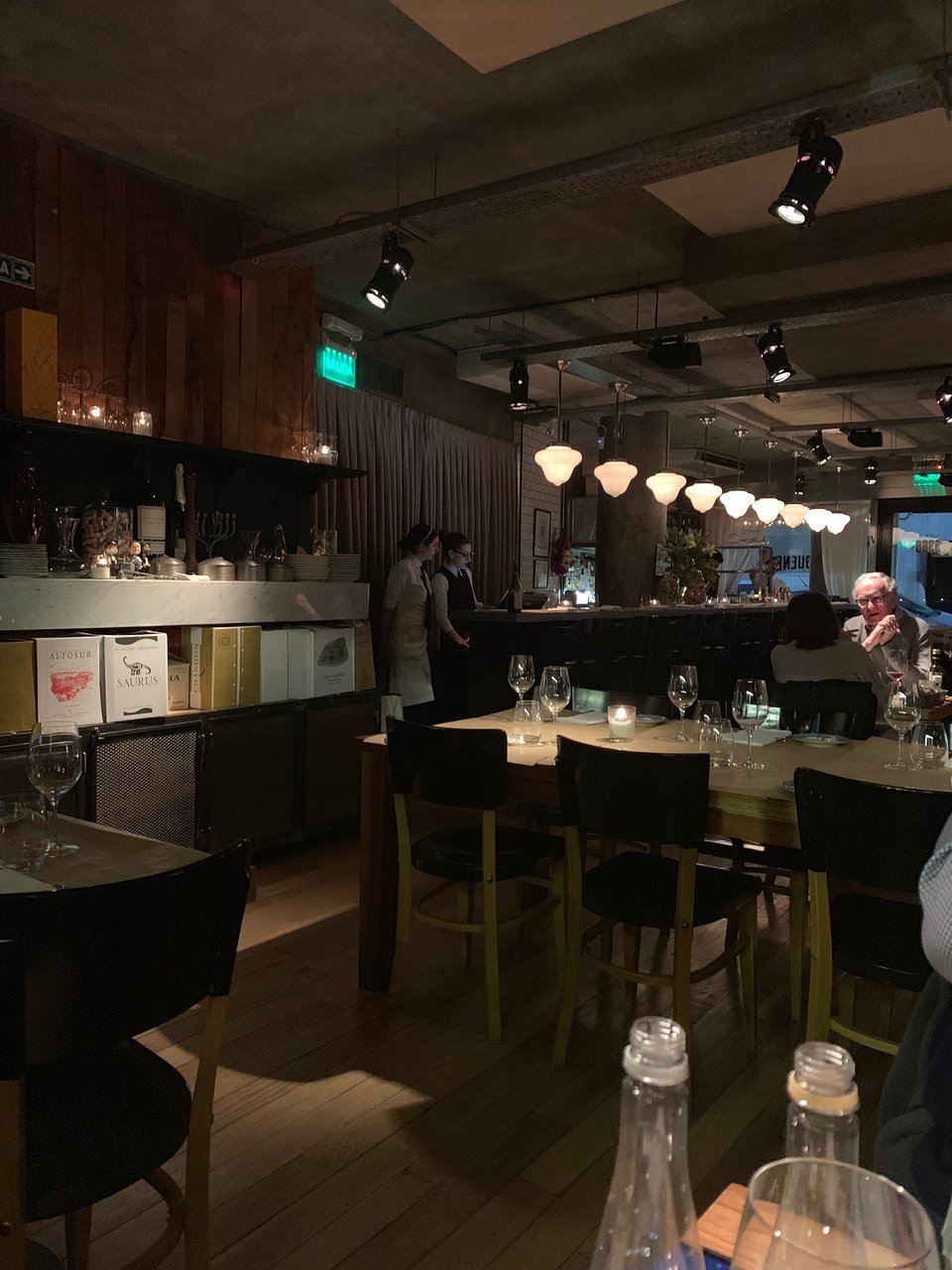
Modern Jewish Immigrant Cuisine
Mishiguene
Buenos Aires, Argentina
50 Best
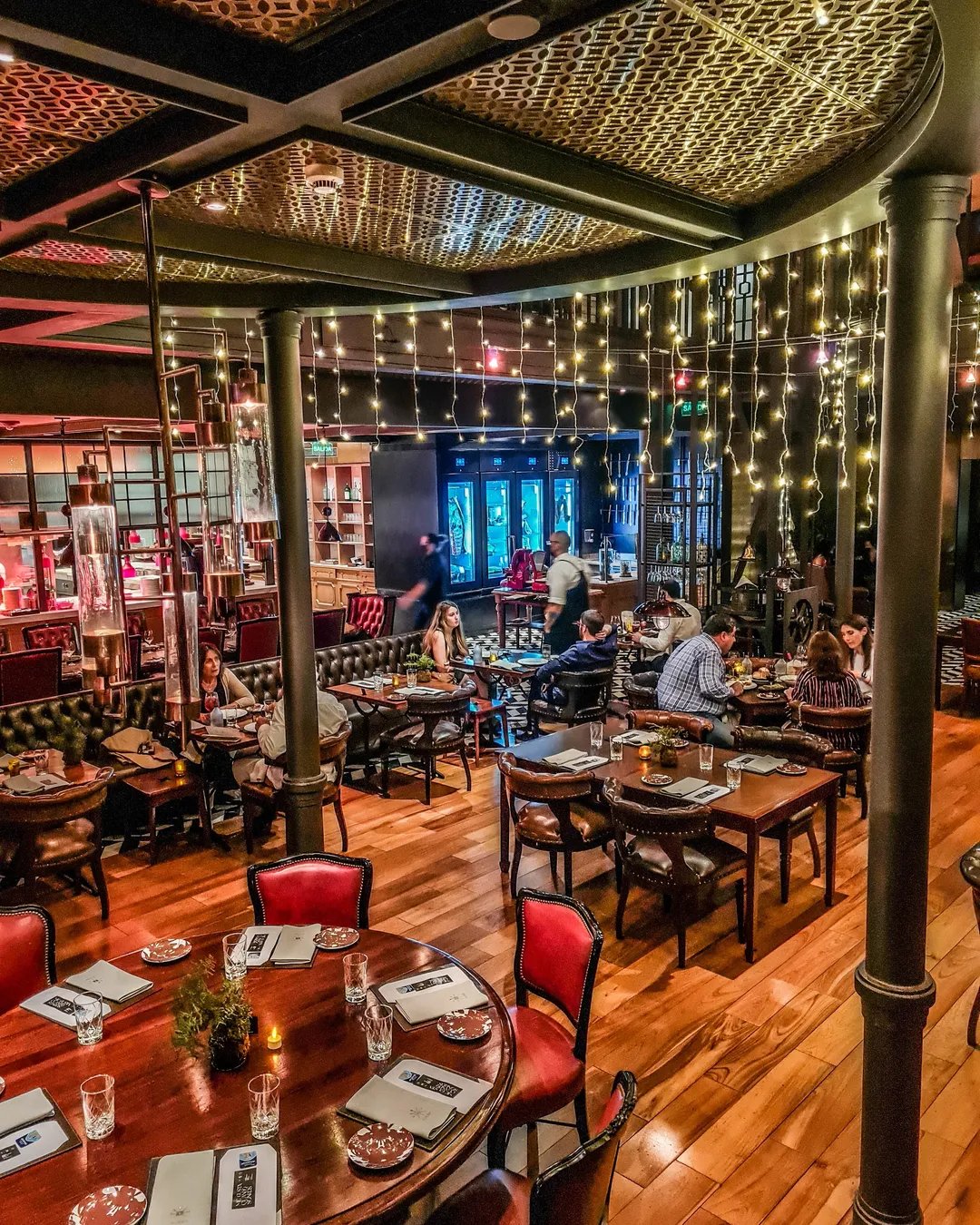
Contemporary Argentinian Steakhouse
Elena
Buenos Aires, Argentina
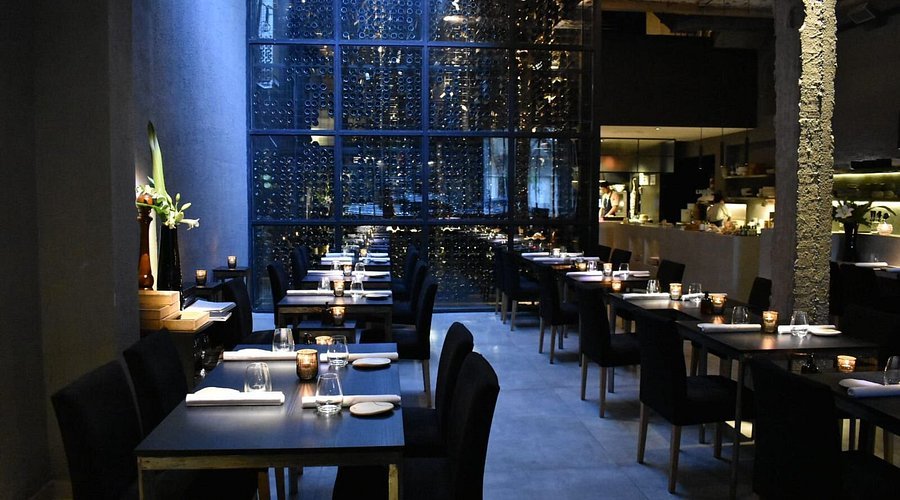
Contemporary Argentine Seafood
Crizia
Buenos Aires, Argentina
★ · 50 Best
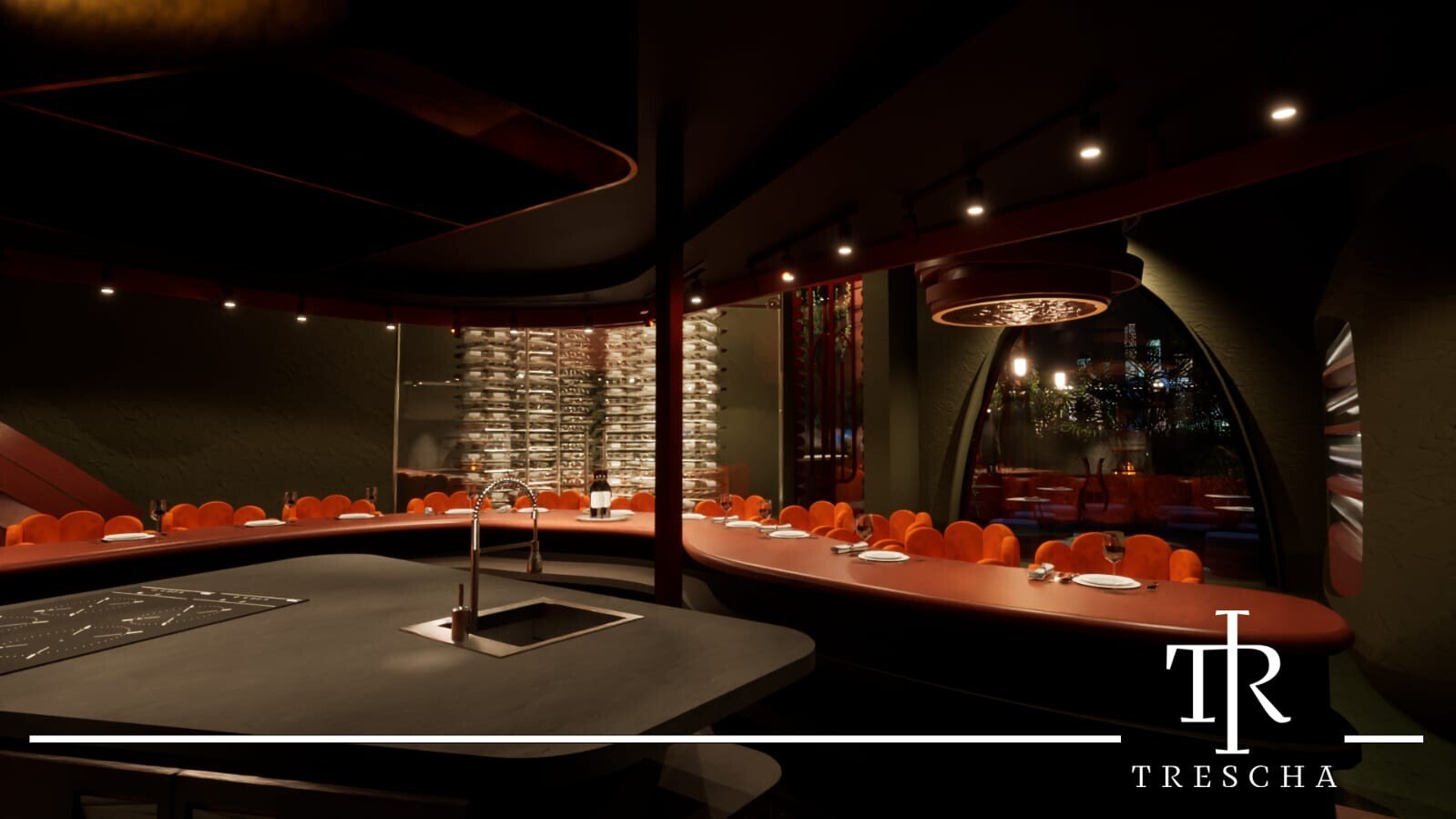
Modern Argentine Fine Dining
Trescha
Buenos Aires, Argentina
★ · 50 Best
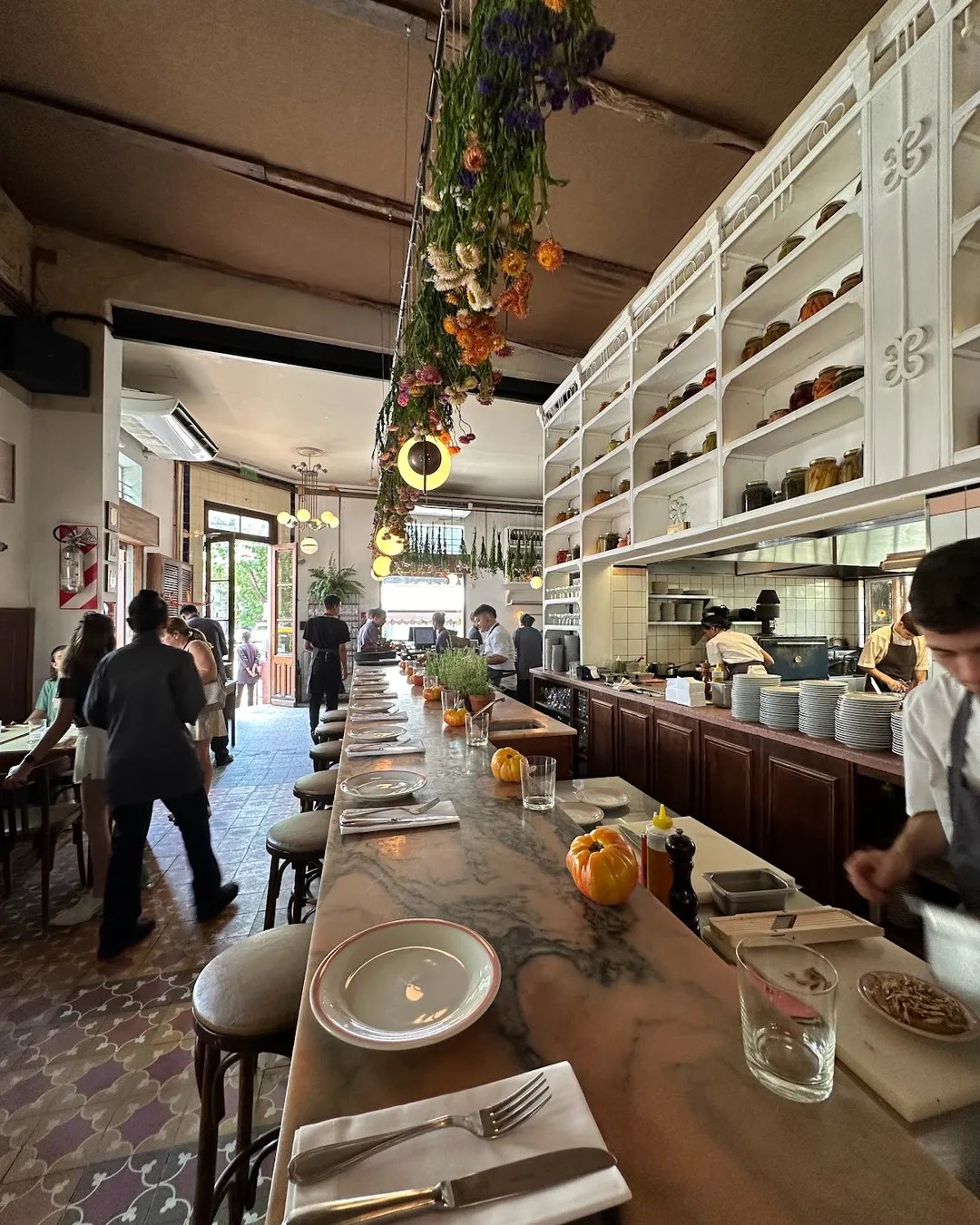
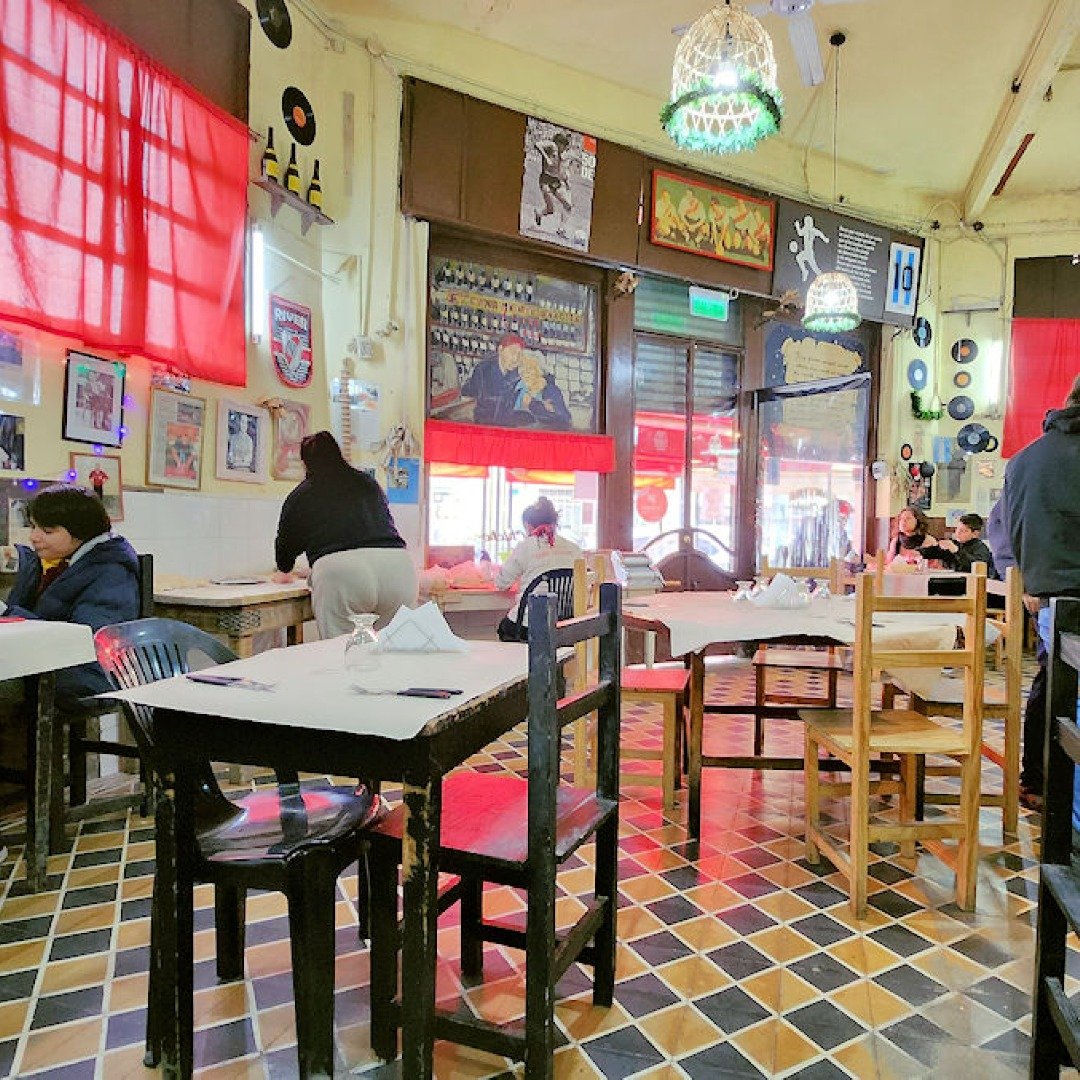
Classic Italian Bodegón
El Preferido de Palermo
Buenos Aires, Argentina
50 Best