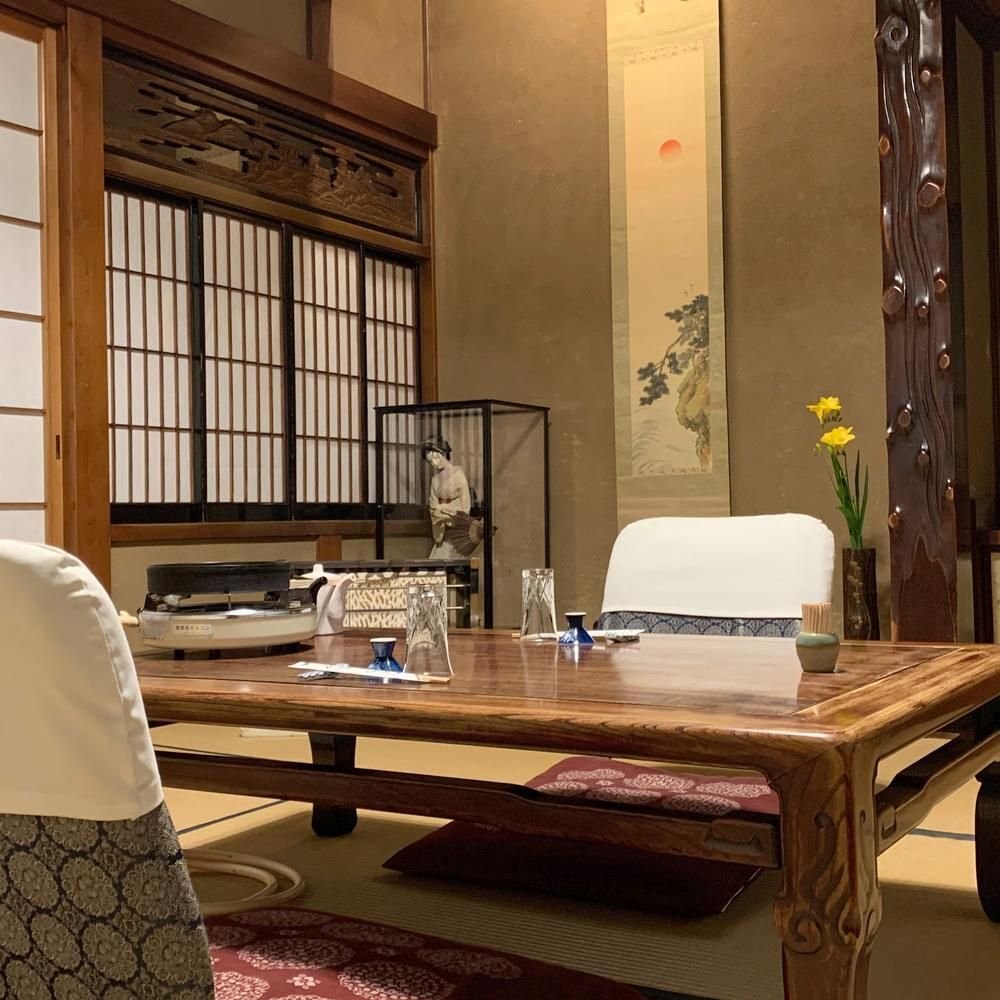
Restaurant
Ishibashi
A traditional detached house in Sotokanda where unaju and sushi share equal billing, Ishibashi holds a Michelin Plate recognition and a Tabelog score of 4.04, placing it among Japan's recognised specialists in freshwater eel. Dinner runs to ¥20,000–¥29,999; lunch, where the unaju format comes into its own, sits at ¥10,000–¥14,999. Weekday evenings only, reservation required.
At a glance
- Cuisine
- Traditional Sukiyaki
- Price
- $$$$
- Per person
- $100
- Hours
- Mon: 5–9:30 PM; Tue: 5–9:30 PM; Wed: 5–9:30 PM; Thu: 5–9:30 PM; Fri: 5–9:30 PM; Sat: Closed; Sun: Closed
- Neighborhood
- Akihabara
- Rating
- 4.5 (212)
<h2>A Red-Brick House in Kanda, and What It Says About Tokyo Eel Dining</h2><p>Near the edge of the Kanda River, a red-brick wall marks the entrance to a traditional detached house that feels at odds with the electronics retailers and office blocks of Sotokanda. That visual contrast is not incidental. In Tokyo, the most serious unagi specialists have long occupied structures with deliberate historical weight: timber frames, lacquerware service, rooms that impose a quiet ritual on what might otherwise be a simple lunch. Ishibashi sits in that tradition. The building's red brick is a reference to the Meiji-era enthusiasm for Western architectural signals, repurposed here as a container for one of Japan's most specifically Japanese preparations.</p><p>Unaju — broiled freshwater eel served over rice in a lacquerware box — is a category with its own internal hierarchy, and the version served at Ishibashi is built around whole eels, cut and steamed to order rather than held in advance. That production decision has a practical consequence: an hour's wait from order to table. For a lunchtime visit, that wait is part of the structure. The counter and private rooms are not designed for quick turnover. They are designed for the time between order and arrival, and how a guest chooses to spend it.</p><h2>Why Lunch Is the More Considered Booking</h2><p>Tokyo's premium dining conversation gravitates toward evening omakase. Counters like <a href="https://www.enprimeurclub.com/restaurants/harutaka-tokyo-restaurant">Harutaka</a> operate in a dinner-only register, with multi-course formats and price points well above ¥30,000. Tasting-menu restaurants , <a href="https://www.enprimeurclub.com/restaurants/leffervescence-tokyo-restaurant">L'Effervescence</a>, <a href="https://www.enprimeurclub.com/restaurants/ryugin">RyuGin</a>, <a href="https://www.enprimeurclub.com/restaurants/sezanne-tokyo-restaurant">Sézanne</a> , are evening institutions. The premium lunch is a different proposition: the same kitchen, the same sourcing discipline, a single focal dish rather than a progression, and a price point at roughly half the dinner spend.</p><p>At Ishibashi, lunch sits at ¥10,000–¥14,999 against a dinner range of ¥20,000–¥29,999. The Tabelog data notes a particular focus on fish quality and a deliberate approach to sake selection, both of which apply across services. What changes at lunch is the format: unaju as the anchor rather than one element in a longer sequence. That compression makes the midday booking a sharper test of the kitchen's central skill, and for a diner with a limited window in the city, it is the more efficiently structured visit.</p><p>The practical arithmetic also favours it. Lunch service runs from noon with a 1:00 pm last order, which fits a day that includes other commitments. The hour-long preparation time means arriving at opening makes sense; a 12:00 pm seating delivers the dish by 1:00 pm. The private rooms, available for parties of two, four, six, or eight, can accommodate a business meal format that the Tabelog record explicitly flags as a common use case. For solo diners or pairs, the six-seat counter offers a different read on the same preparation.</p><h2>The Eel Question, and How the Menu Resolves It</h2><p>Within the unaju format, portion calibration matters more than it might appear. The standard version contains a whole eel; the Deluxe version adds half an eel more. The price gap between the two is, by the venue's own framing, small relative to the difference in substance. For a diner who has committed to the preparation and the wait, the Deluxe is the structurally coherent choice. This is not an upsell in the usual sense; it is a recognition that the dish's logic , broiled eel, seasoned rice, lacquerware presentation , scales with the eel quantity rather than with accompaniments.</p><p>The kitchen's approach to timing is worth understanding before you sit down. The eel is cut and steamed only after the order is placed. This is a traditional method that prioritises texture at service over kitchen efficiency, and it is why the hour wait is a feature rather than a failure. Restaurants in the same category that pre-prepare or hold their eel produce a materially different result. The wait at Ishibashi signals something specific about the production standard.</p><p>The sake programme, flagged in the venue record as a particular focus, fits the format. Freshwater eel prepared in the Kanto broiling style , direct heat, no steaming step before the final glaze, in contrast to the Kansai approach , pairs differently with sake than with wine. A diner who arrives knowing this, and who uses the waiting hour to explore the sake list rather than treat it as dead time, leaves with a more complete reading of what the kitchen is doing.</p><h2>Where Ishibashi Sits in Tokyo's Recognised Dining Tier</h2><p>Venue holds a Michelin Plate recognition for both 2024 and 2025, placing it in the category of restaurants the Guide considers worth knowing about without yet assigning a star. On Opinionated About Dining's Japan ranking, it appeared at position 311 in 2025, 261 in 2024, and in the Highly Recommended tier in 2023 , a trajectory that reflects growing visibility among the specialist audience that uses OAD as its primary reference. The Tabelog score of 4.04, logged against a Bronze Award for 2025, places it among the leading fraction of recognised restaurants on a platform where the scoring curve is compressed and a 4.0 represents meaningful separation from the field.</p><p>These signals, taken together, position Ishibashi in the tier below the multi-star omakase counters and kaiseki rooms that dominate Tokyo's international dining conversation, but clearly above the general mid-market. It competes in a set that includes recognised specialists in single-format Japanese traditions rather than against the broader tasting-menu field. The comparison is less to <a href="https://www.enprimeurclub.com/restaurants/crony-tokyo-restaurant">Crony</a> or the French-influenced rooms, and more to the category of technically focused, low-seat, reservation-only houses that Japanese diners use Tabelog to track.</p><p>For a broader picture of where this tier sits within Tokyo's wider dining offer, the <a href="https://www.enprimeurclub.com/restaurants/tokyo">EP Club Tokyo restaurants guide</a> maps the full range. Comparable specialist houses in other Japanese cities include <a href="https://www.enprimeurclub.com/restaurants/gion-sasaki-kyoto-restaurant">Gion Sasaki in Kyoto</a>, <a href="https://www.enprimeurclub.com/restaurants/hajime-osaka-restaurant">HAJIME in Osaka</a>, and <a href="https://www.enprimeurclub.com/restaurants/goh-fukuoka-restaurant">Goh in Fukuoka</a>. Further afield, the fish-focused precision at <a href="https://www.enprimeurclub.com/restaurants/le-bernardin">Le Bernardin in New York City</a> and the Korean fine-dining programme at <a href="https://www.enprimeurclub.com/restaurants/atomix">Atomix</a> represent how other cities handle the single-cuisine specialist format. For Japan beyond Tokyo, <a href="https://www.enprimeurclub.com/restaurants/akordu-nara-restaurant">akordu in Nara</a>, <a href="https://www.enprimeurclub.com/restaurants/1000-yokohama-restaurant">1000 in Yokohama</a>, and <a href="https://www.enprimeurclub.com/restaurants/6-okinawa-restaurant">6 in Okinawa</a> each represent regional variations on the same discipline.</p><h2>Planning Your Visit</h2><p>Ishibashi operates Monday through Friday, 5:00 pm to 9:30 pm for dinner, with a separate lunch service. It is closed Saturday and Sunday. The Sotokanda address places it in Chiyoda City, accessible from central Tokyo without significant travel time. The 14-seat total capacity , six counter seats and eight across private rooms , means availability is limited and advance booking is required. Given the one-hour preparation time for the eel, early seating slots during lunch service allow the most comfortable window.</p><p><strong>Reservations:</strong> Required; no walk-ins. <strong>Budget:</strong> Lunch ¥10,000–¥14,999; Dinner ¥20,000–¥29,999. <strong>Hours:</strong> Monday–Friday, lunch 12:00–1:00 pm (last order), dinner 5:00–9:30 pm; closed Saturday and Sunday. <strong>Seats:</strong> 14 total (6 counter, 8 private room). <strong>Payment:</strong> Credit cards accepted (Visa, Mastercard, JCB, Amex, Diners); electronic money and QR code payments not accepted. <strong>Smoking:</strong> Non-smoking throughout.</p><p>For further planning across Tokyo, the <a href="https://www.enprimeurclub.com/hotels/tokyo">EP Club Tokyo hotels guide</a>, <a href="https://www.enprimeurclub.com/bars/tokyo">bars guide</a>, <a href="https://www.enprimeurclub.com/wineries/tokyo">wineries guide</a>, and <a href="https://www.enprimeurclub.com/experiences/tokyo">experiences guide</a> cover the wider city in the same editorial register.</p><h2>Frequently Asked Questions</h2><h3>What's the leading thing to order at Ishibashi?</h3><p>The unaju is the structural anchor of any visit, and the Deluxe version , which includes one and a half eels against the standard single eel , is the version the kitchen's preparation logic is built around. The price difference between the two is small relative to the portion difference, and for a meal that involves an hour's wait for freshwater eel cut and steamed to order, arriving at the Deluxe is the more defensible decision. The sake list, flagged in the venue's own data as a particular focus, is worth engaging during the wait rather than treating as an afterthought. Both the cuisine type (sushi alongside unagi) and the Tabelog score of 4.04, which secured a Bronze Award in 2025 and a listing in the Tabelog Japanese Cuisine WEST 100, indicate a kitchen operating with consistent precision across its fish-focused offer.</p>
Know before you go
- Dress code
- smart_casual
- Reservations
- essential
- Payment
- cash
Frequently asked
What's the address for Ishibashi?
Ishibashi is located at 3 Chome-6-8 Sotokanda, Chiyoda City, Tokyo 101-0021, Japan, Tokyo.
What are the operating hours at Ishibashi?
Hours at Ishibashi: Hours: Monday 5–9:30 pm Tuesday 5–9:30 pm Wednesday 5–9:30 pm Thursday 5–9:30 pm Friday 5–9:30 pm Saturday Closed Sunday Closed.
What distinctions does Ishibashi have?
Ishibashi has received recognition including: {"Year":"2026","Award Source":"Tabelog","Award Type":"The Tabelog Award","Award Group":"bronze","Award Group Rank":"137","Restaurant Name":"Ippongi Ishibashi","Score":"4.05","Budget":"Dinner: JPY 20,000 - JPY 29,999; Lunch: JPY 10,000 - JPY….
What's the best thing to order at Ishibashi?
The unaju is the structural anchor of any visit. The Deluxe version — one and a half eels against the standard single eel — is the more considered choice given the marginal price difference at a venue already priced from ¥20,000 per person for dinner. The eel is cut and steamed to order, so plan for roughly an hour's wait; that lead time is built into the experience, not an anomaly. Ishibashi holds a Michelin Plate for 2024 and 2025, and the eel preparation is central to why.
Address
3 Chome-6-8 Sotokanda, Chiyoda City, Tokyo 101-0021, Japan
Akihabara
How it compares
- Cuisine
- Sushi, Unagi / Freshwater Eel
- Awards
- {"Year":"2026","Award Source":"Tabelog","Award Type":"The Tabelog Award","Award Group":"bronze","Award Group Rank":"137","Restaurant Name":"Ippongi Ishibashi","Score":"4.05","Budget":"Dinner: JPY 20,000 - JPY 29,999; Lunch: JPY 10,000 - JPY 14,999","Budget Dinner":"JPY 20,000 - JPY 29,999","Budget Lunch":"JPY 10,000 - JPY 14,999","Price":"JPY 20,000 - JPY 29,999 JPY 10,000 - JPY 14,999","Average Price":"JPY 20,000 - JPY 29,999 JPY 10,000 - JPY 14,999","Average Price (Based on reviews)":"JPY 20,000 - JPY 29,999 JPY 10,000 - JPY 14,999 View spending breakdown","Featured Item":"N/A","Full Address (with ZIP)":"福岡県福岡市中央区平尾1-9-13, 8100014, Japan","Address":"福岡県福岡市中央区平尾1-9-13","Postal Code":"8100014","City":"Hirao Chuo-ku Fukuoka Fukuoka","State":"Fukuoka","Country":"Japan","Phone":"+81925347560","Phone Raw":"+81-92-534-7560","Website":"No official website found","Description":"Check out Ippongi Ishibashi (Nishitetsu Hirao/Japanese Cuisine) on Tabelog! No need for excessive formality. Enjoy expertly crafted sushi and Japanese cuisine in a relaxed atmosphere. [Private rooms available / No Smoking / Online reservations] Discover Japanese restaurants featuring detailed information such as menus and maps, along with user-posted reviews, ratings, and photos!","Categories":"Japanese Cuisine","Awards & Recognitions":"The Tabelog Award 2026 Bronze winner The Tabelog Award 2026 Bronze winner The Tabelog Award 2025 Bronze winner The Tabelog Award 2025 Bronze winner Selected for Tabelog Japanese cuisine WEST \"Tabelog 100\" 2025 Selected for Tabelog Japanese cuisine WEST \"Tabelog 100\" 2025 受賞・選出歴 閉じる The Tabelog Award 受賞歴 2026年Bronze受賞店 The Tabelog Award 2026 Bronze 受賞店 2025年Bronze受賞店 The Tabelog Award 2025 Bronze 受賞店 百名店 選出歴 日本料理 百名店 2025 選出店 食べログ 日本料理 WEST 百名店 2025 選出店","Reservation availability":"Reservation only","Business hours":"Mon, Tue, Wed, Thu, Fri, Sat, Sun, Public Holiday, Day before public holiday, Day after public holiday 12:00 - 13:00 L.O. Food 13:00 18:00 - 19:30 L.O. Food 19:30 ■Closed on Not fixed","Payment methods":"Credit card accepted (VISA, Master, JCB, AMEX, Diners) Electronic money not accepted QR code payments not accepted","Private rooms":"Available For 2 people, For 4 people, For 6 people, For 8 people","Non-smoking/smoking":"Non smoking","Number of seats":"14 seats ( 6 counter seats and 8 private rooms.)","Private use":"Available","Parking":"Unavailable","Space/facilities":"Relaxing space, Counter seating","Drink":"Particular about Sake (Nihonshu)","Food":"Particular about fish","Service":"N/A","Family friendly":"N/A","Service charge & fee":"N/A","Dress code":"N/A","Maximum party size":"N/A","Location":"A house restaurant","Occasion":"Business This occasion is recommended by many people.","Remarks":"N/A","The opening day":"2018.9.8","Receipt (Qualified simple invoice)":"N/A","Latitude":"33.57612343626556","Longitude":"130.40255466852295","Primary Image URL":"","Image URL Count":"20","Image URLs":"","Restaurant ID":"40049664","Source URL":"","Raw Details JSON":"{\"Restaurant name\":\"Ippongi Ishibashi\",\"Awards & Recognitions\":\"The Tabelog Award 2026 Bronze winner The Tabelog Award 2026 Bronze winner The Tabelog Award 2025 Bronze winner The Tabelog Award 2025 Bronze winner Selected for Tabelog Japanese cuisine WEST \\\"Tabelog 100\\\" 2025 Selected for Tabelog Japanese cuisine WEST \\\"Tabelog 100\\\" 2025 受賞・選出歴 閉じる The Tabelog Award 受賞歴 2026年Bronze受賞店 The Tabelog Award 2026 Bronze 受賞店 2025年Bronze受賞店 The Tabelog Award 2025 Bronze 受賞店 百名店 選出歴 日本料理 百名店 2025 選出店 食べログ 日本料理 WEST 百名店 2025 選出店\",\"Categories\":\"Japanese Cuisine\",\"Phone number (for reservation and inquiry)\":\"092-534-7560\",\"Reservation availability\":\"Reservation only\",\"Address\":\"福岡県福岡市中央区平尾1-9-13 Show larger map Find nearby restaurants Transportation Nishitetsu Omuta Line, Yakuin Station - 8 minutes on foot Nishitetsu Omuta Line, Hirao Station - 7 minutes on foot 452 meters from Nishitetsu Hirao.\",\"Business hours\":\"Mon, Tue, Wed, Thu, Fri, Sat, Sun, Public Holiday, Day before public holiday, Day after public holiday 12:00 - 13:00 L.O. Food 13:00 18:00 - 19:30 L.O. Food 19:30 ■Closed on Not fixed\",\"Average price\":\"JPY 20,000 - JPY 29,999 JPY 10,000 - JPY 14,999\",\"Average price (Based on reviews)\":\"JPY 20,000 - JPY 29,999 JPY 10,000 - JPY 14,999 View spending breakdown\",\"Payment methods\":\"Credit card accepted (VISA, Master, JCB, AMEX, Diners) Electronic money not accepted QR code payments not accepted\",\"Number of seats\":\"14 seats ( 6 counter seats and 8 private rooms.)\",\"Private rooms\":\"Available For 2 people, For 4 people, For 6 people, For 8 people\",\"Private use\":\"Available\",\"Non-smoking/smoking\":\"Non smoking\",\"Parking\":\"Unavailable\",\"Space/facilities\":\"Relaxing space, Counter seating\",\"Drink\":\"Particular about Sake (Nihonshu)\",\"Food\":\"Particular about fish\",\"Occasion\":\"Business This occasion is recommended by many people.\",\"Location\":\"A house restaurant\",\"The opening day\":\"2018.9.8\"}","Matched Location ID":"82494804-5519-4746-8990-c046aa238e28","Match Status":"matched","Match Method":"award_page_url_exact","Match Confidence":"high","Matched On URL":"","Matched DB Name":"Ishibashi","Matched DB Address":"2-4-29 Suido, Bunkyo-ku, Tokyo, 112-0005, Japan","Needs Review":"no","Review Reason":"","Fallback Score":"","Fallback Name Sim":"","Fallback Addr Sim":"","Fallback Loc Sim":"","Fallback City Sim":"","Fallback Country Sim":"","Fallback Phone Match":"","Fallback Domain Match":"","Fallback Explanation":""}; Near the edge of the Kanda River stands a traditional detached house. The red-brick wall harks back to a time when such things were regarded as symbols of Westernisation. Unaju (broiled eel on a bed of rice in a lacquerware box) includes a whole eel; the Deluxe version includes one and a half eels. With only a small difference in price, we recommend the latter. The eel is cut and slowly steamed only after you order, so expect to wait an hour for your dish to arrive. Spend the time absorbing the restaurant’s history, learning about eels or enjoying a snack or two with drinks.; Michelin Plate (2025); Opinionated About Dining Top Restaurants in Japan Ranked #311 (2025); Tabelog Bronze Award 2025 Score: 4.04 Cuisine: Japanese Cuisine / Fukuoka Phone: 092-534-7560 Hours: Mon, Tue, Wed, Thu, Fri, Sat, Sun, Public Holiday, Day before public holiday, Day after public holiday 12:00 - 13:00 L.O. Food 13:00 18:00 - 19:30 L.O. Food 19:30 Address: Fukuoka Fukuoka City Chuo Ward平尾1913 Tabelog:; Opinionated About Dining Top Restaurants in Japan Ranked #261 (2024); Michelin Plate (2024); Opinionated About Dining Top Restaurants in Japan Highly Recommended (2023)
- Notes
- This venue
- Cuisine
- Sushi
- Awards
- Michelin 3 Star, World's 50 Best
- Notes
- Sushi, ¥¥¥¥
- Cuisine
- Kaiseki, Japanese
- Awards
- Michelin 3 Star, World's 50 Best
- Notes
- Kaiseki, Japanese, ¥¥¥¥
- Cuisine
- French
- Awards
- Michelin 3 Star, World's 50 Best
- Notes
- French, ¥¥¥¥
- Cuisine
- Innovtive French, French
- Awards
- Michelin 2 Star, World's 50 Best
- Notes
- Innovtive French, French, ¥¥¥¥
- Cuisine
- Innovative
- Awards
- Michelin 2 Star, World's 50 Best
- Notes
- Innovative, ¥¥¥¥
In residence
Similar places
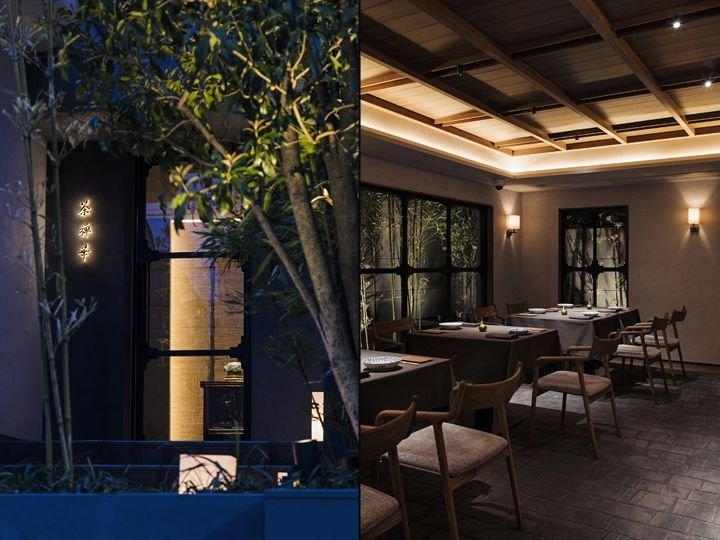
Modern Chinese Fine Dining
Sazenka
Tokyo, Japan
★★★ · 50 Best
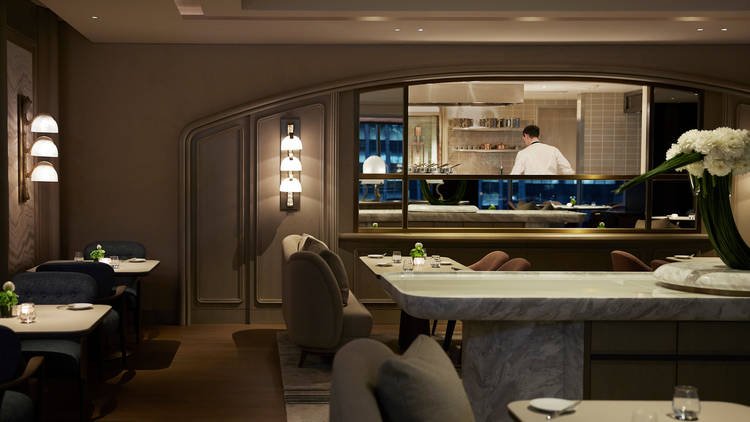
Sézanne
Tokyo, Japan
★★★ · 50 Best
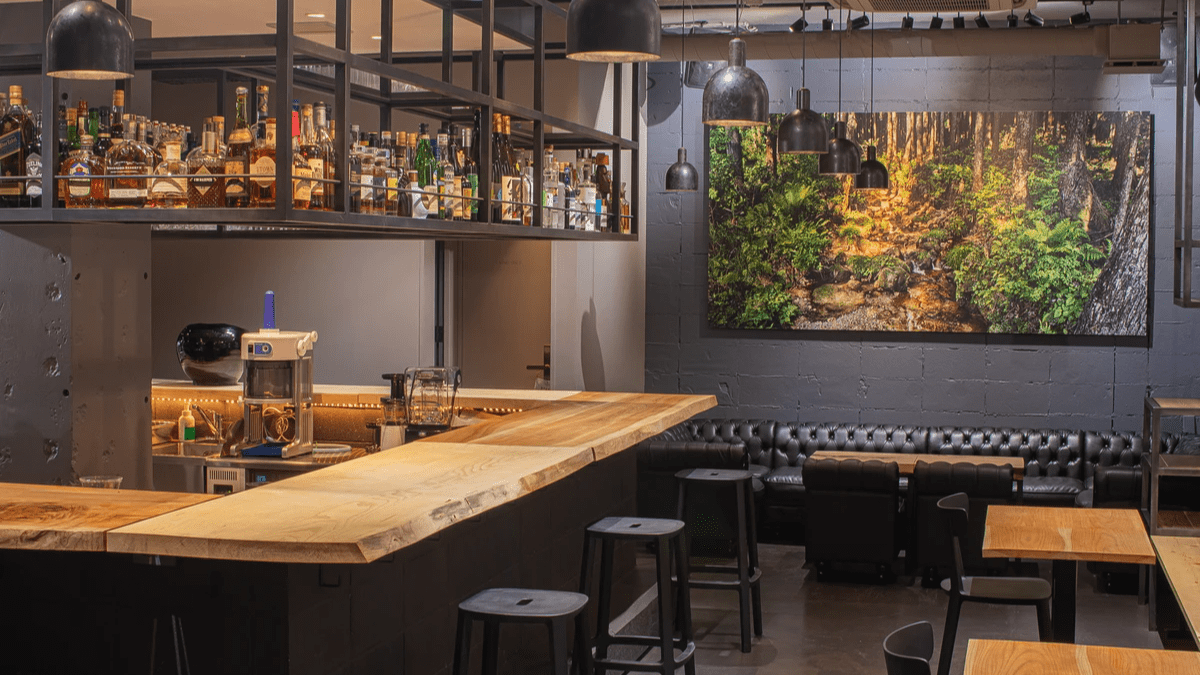
Modern Japanese Satoyama Fine Dining
Narisawa
Tokyo, Japan
★★ · 50 Best
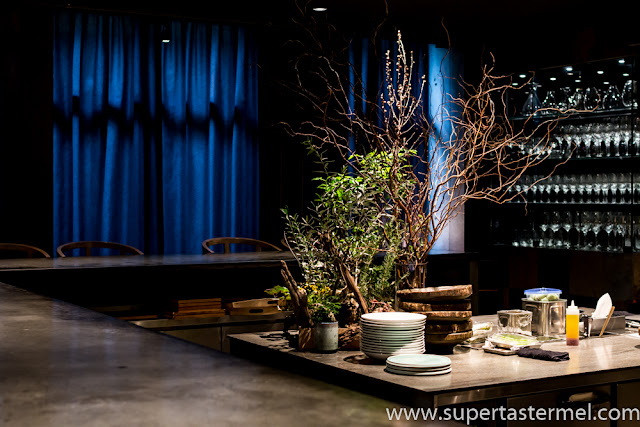
Modern French-Japanese Plant-Based Fine Dining
Florilège
Tokyo, Japan
★★ · 50 Best
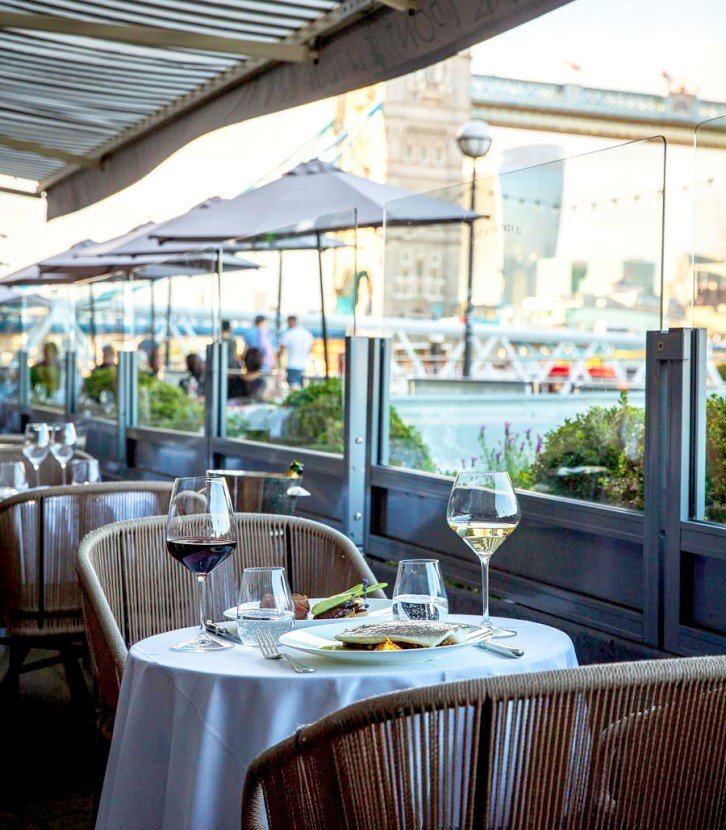
Modern French Fine Dining
Quintessence
Tokyo, Japan
★★★
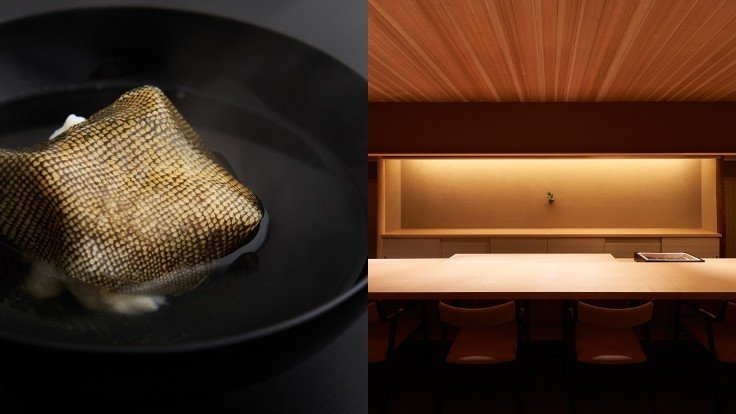
Modern Minimalist Kaiseki
Myojaku
Tokyo, Japan
★★★ · 50 Best