Restaurant
Vespasia
Set within Palazzo Seneca in Norcia's historic centre, Vespasia holds a Michelin star and applies creative technique to the Valnerina's most characterful ingredients: black truffle, Sibillini lamb, Cannara onions, and river crayfish. A Japanese chef brings Campanian and wider Italian training to a deeply Umbrian table, making this one of the most considered addresses in a region still finding its footing after the 2016 earthquake.
- 1 Michelin Star
At a glance
- Cuisine
- Modern Umbrian Fine Dining
- Price
- $$$$
- Per person
- $130
- Hours
- Mon: 7–9 PM; Tue: 7–9 PM; Wed: Closed; Thu: 7–9 PM; Fri: 7–9 PM; Sat: 7–9 PM; Sun: 7–9 PM
- Neighborhood
- historic center
- Rating
- 4.8 (145)
<h2>A Room Earned Twice Over</h2><p>To reach the Sala del Vespasia, you pass through a succession of smaller rooms inside Palazzo Seneca, a historic palazzo on Via Cesare Battisti in Norcia's centre. The journey through those antechambers is not theatrical staging; it reflects the building's actual architecture, layers of stone and corridor accumulated over centuries in a town that has been trading, curing, and feeding travellers since Roman times. When you finally arrive at the dining room itself, the formality is measured rather than stiff: linen, considered lighting, the kind of quiet that comes from thick walls rather than enforced silence. The physical environment signals something about the cooking before a dish arrives — this is a place that takes Umbrian ingredients seriously enough to give them a serious frame.</p><p>That framing matters more than it might in other Italian cities because Norcia is still, a decade on from the 2016 earthquake that devastated its historic centre, in the process of rebuilding. The town's identity as a producer of exceptional cured pork, black truffle, lentils, and salumi long predates modern restaurant culture, and the slow return of life to its streets has made each reopened address a statement of intent. Vespasia, as part of Palazzo Seneca and under the stewardship of the Bianconi family — a long-established name in Norcia's hospitality trade , sits at the more deliberate end of that recovery.</p><h2>The Umbrian Table and What It Actually Contains</h2><p>Umbrian cooking is frequently described in shorthand as truffle-and-pork, a reduction that flatters the region's marketing profile while obscuring what makes its larder genuinely interesting. The Valnerina, the valley that runs through this part of Umbria toward Norcia, produces ingredients with particular force of character: Castelluccio lentils grown at altitude, black truffles from the Norcia and Spoleto zones that are among the most traded in Italy, crayfish and small river fish from the Nera and its tributaries, lamb from the Sibillini mountain pastures, and Cannara onions from the plains near Assisi, sweet enough to occupy a category of their own in local cooking. Olive oil from the lower Umbrian valleys completes a pantry that is neither elaborate nor modest , it is specific.</p><p>What the kitchen at Vespasia does with these materials is where the Michelin star, held since 2024 and confirmed for 2025, becomes a meaningful credential rather than a decorative one. The cooking is described as creative and occasionally complex, which in practice means the ingredients are not simply assembled but subjected to technique. A chef with years spent in Campanian kitchens and at recognised addresses elsewhere in Italy brings a different set of references to the Umbrian table: southern Italy's capacity for bold flavour, the technical discipline of fine-dining kitchens, and, given the chef's Japanese background, a sensibility toward precision and restraint that Italian regional cooking does not always encourage. The result sits in a productive tension , products with strong local identity, handled with methods that amplify rather than replace that identity.</p><p>This combination is not common at the leading of the Italian creative-cooking tier. Venues like <a href="https://www.enprimeurclub.com/restaurants/osteria-francescana">Osteria Francescana in Modena</a> and <a href="https://www.enprimeurclub.com/restaurants/enrico-bartolini-milan-restaurant">Enrico Bartolini in Milan</a> operate from urban platforms with national and international ingredient sourcing. <a href="https://www.enprimeurclub.com/restaurants/enoteca-pinchiorri">Enoteca Pinchiorri in Florence</a> and <a href="https://www.enprimeurclub.com/restaurants/le-calandre-rubano">Le Calandre in Rubano</a> carry the institutional weight of multi-decade reputations. <a href="https://www.enprimeurclub.com/restaurants/atelier-moessmer-norbert-niederkofler-brunico-restaurant">Atelier Moessmer Norbert Niederkofler in Brunico</a> has made hyper-regional Alpine sourcing its entire philosophical programme. Vespasia occupies a different position: a single-star address working from a post-earthquake provincial town with a pantry that needs almost no embellishment, and a kitchen team that understands when to step back.</p><p>For comparison within the broader Italian creative-cooking circuit at the €€€€ tier, venues like <a href="https://www.enprimeurclub.com/restaurants/dal-pescatore-runate-restaurant">Dal Pescatore in Runate</a>, <a href="https://www.enprimeurclub.com/restaurants/uliassi-senigallia-restaurant">Uliassi in Senigallia</a>, <a href="https://www.enprimeurclub.com/restaurants/quattro-passi-marina-del-cantone-restaurant">Quattro Passi in Marina del Cantone</a>, and <a href="https://www.enprimeurclub.com/restaurants/piazza-duomo-alba-restaurant">Piazza Duomo in Alba</a> each anchor themselves to a specific regional identity while operating at technical levels that justify their price positioning. Vespasia belongs in that conversation , a restaurant that uses the credibility of place rather than the spectacle of technique as its primary argument.</p><h2>Umbria Beyond the Main Road</h2><p>Norcia is not on the standard Italian fine-dining circuit, and that is partly the point. Visitors who make the drive from Perugia or across from Le Marche via the Forca Canapine pass arrive with some deliberateness , this is not a restaurant you stumble into after an afternoon in a gallery. The town itself rewards the effort: the pork butchers along the corso, the truffle shops, the medieval walls that survived the earthquake better than much of the interior fabric. The restaurant sits inside this context, rather than apart from it.</p><p>The surrounding Umbrian region has a small number of addresses that work at comparable levels of seriousness. <a href="https://www.enprimeurclub.com/restaurants/camiano-piccolo-montefalco-restaurant">Camiano Piccolo in Montefalco</a> and <a href="https://www.enprimeurclub.com/restaurants/da-gregorio-morrano-nuovo-restaurant">Da Gregorio in Morrano Nuovo</a> represent the kind of deeply rooted Umbrian cooking that prioritises the region's own vocabulary. Vespasia adds a layer of creative ambition to that vocabulary without abandoning it. The two registers are not in conflict at this address; they are the point.</p><p>Within Norcia itself, <a href="https://www.enprimeurclub.com/restaurants/granaro-del-monte-norcia-restaurant">Granaro del Monte</a> represents a different approach to the same larder, while <a href="https://www.enprimeurclub.com/restaurants/palazzo-seneca-norcia-restaurant">Palazzo Seneca</a> as a broader dining address at the hotel offers context for understanding the property's overall hospitality proposition. For those planning a longer stay, <a href="https://www.enprimeurclub.com/hotels/norcia">our full Norcia hotels guide</a> covers the options in detail, and the <a href="https://www.enprimeurclub.com/restaurants/norcia">full Norcia restaurants guide</a> maps the town's wider table.</p><h2>Planning a Visit</h2><p>Vespasia is a €€€€ address , the same price tier as the Italian creative-cooking venues cited above , which positions it firmly in the special-occasion or destination-dining bracket rather than the casual dinner category. The Bianconi family's long involvement in Norcia's hospitality trade means the service approach tends toward genuine warmth rather than formal distance, a quality that the venue's own description flags explicitly and that sits in keeping with the town's character. Google reviews average 4.8 across 134 ratings, a figure that reflects consistency rather than viral attention in a town of this size.</p><p>Given the hotel setting inside Palazzo Seneca, visiting guests have the option to stay on-site, which makes the experience of the town at quieter hours , early morning before the shops open, evening after dinner , considerably more available. Advance booking is advisable, particularly in the spring and autumn truffle seasons when the Valnerina draws visitors specifically for the ingredient. The black truffle of Norcia is most present from late November through March; the summer truffle, lighter in flavour, runs from May into August. If the season aligns with your travel, the timing is worth factoring into when you book rather than treating as incidental.</p><p>For those building a broader Umbrian itinerary, <a href="https://www.enprimeurclub.com/bars/norcia">the Norcia bars guide</a>, <a href="https://www.enprimeurclub.com/wineries/norcia">wineries guide</a>, and <a href="https://www.enprimeurclub.com/experiences/norcia">experiences guide</a> cover the surrounding options at the same editorial level.</p><h2>Frequently Asked Questions</h2><dl><dt><strong>What should I eat at Vespasia?</strong></dt><dd>The kitchen holds a Michelin star for creative cooking built on Umbrian ingredients: black truffle from the Norcia zone, Sibillini mountain lamb, Cannara onions, river crayfish, and cured hams. The chef's background spans Japanese training, Campanian kitchens, and wider Italian fine-dining experience, so dishes tend toward precise technique applied to strong local materials. If you visit during the black truffle season (late November to March), the truffle cookery will be at its most expressive. Order the tasting menu if available , the kitchen's logic reads more clearly across a sequence of dishes than in isolation.</dd><dt><strong>What should I expect atmosphere-wise at Vespasia?</strong></dt><dd>The dining room sits at the end of a route through Palazzo Seneca's smaller rooms, which gives the arrival a sense of occasion without manufactured drama. The setting is a historic Umbrian palazzo in a town at €€€€ pricing with a Michelin star, so expect formal but not cold service, composed room design, and the kind of quiet that comes from stone walls and considered acoustics. The Bianconi family's long presence in Norcia hospitality gives the welcome a local authenticity that larger hotel groups in similar price brackets do not always manage.</dd><dt><strong>Would Vespasia be comfortable with kids?</strong></dt><dd>Norcia is a small, unhurried town rather than a high-volume tourist destination, and Palazzo Seneca is a hotel property rather than a pure dining venue, which generally means a more relaxed approach to families than standalone fine-dining rooms. That said, the €€€€ price point, the tasting-menu format, and the formal dining room suggest this is better suited to older children with experience at the table than to young children or families with a flexible approach to timing. If you are travelling with children and want the full Vespasia experience, an early-evening booking on a quieter night of the week would be the sensible approach.</dd></dl>
Know before you go
- Dress code
- smart_casual
- Reservations
- essential
- Parking
- street
- Payment
- credit_card
- Accessibility
- wheelchair_accessible
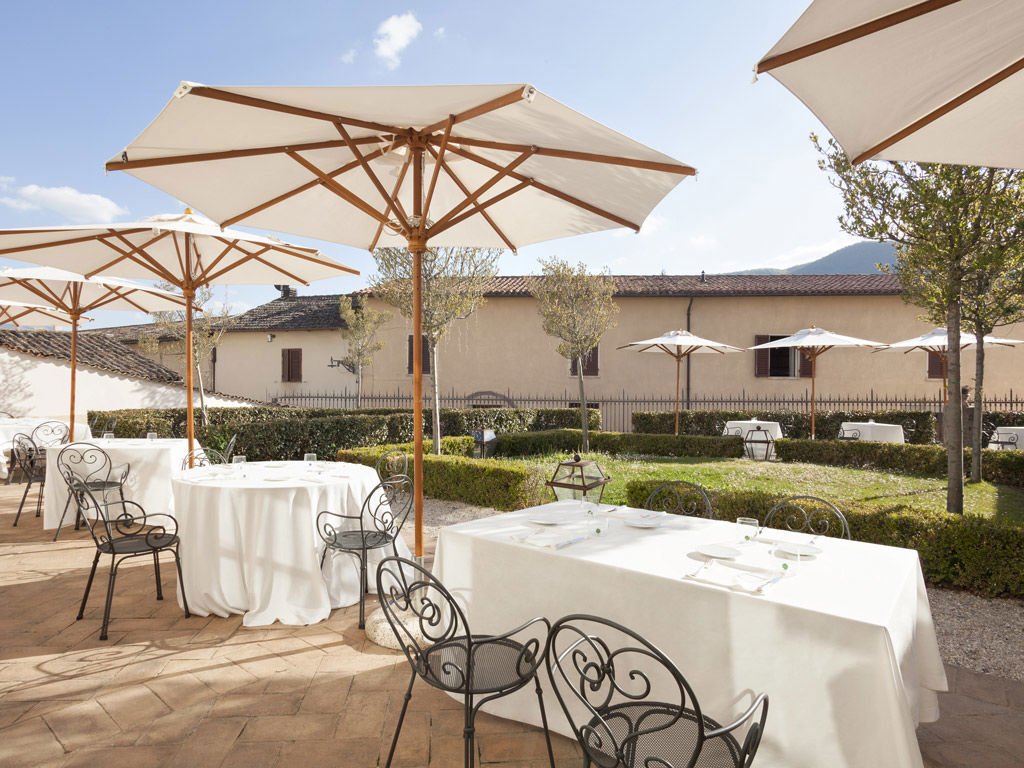
- Outdoor seating
- Yes
Frequently asked
Would Vespasia be comfortable with kids?
Vespasia is a €€€€ Michelin-starred dining room inside Palazzo Seneca, reached by passing through a series of intimate rooms in a historic palazzo. The format is unhurried and the tone is formal enough that it suits older teenagers or children comfortable with a long, multi-course meal far better than young ones. Families with very young children would likely find the setting and pacing misaligned with a relaxed evening.
What should I expect atmosphere-wise at Vespasia?
The Sala del Vespasia is an elegant, contained dining room at the back of Palazzo Seneca, accessed through a sequence of smaller rooms that act as a kind of gradual decompression from the street. Service is warm rather than stiff — the Bianconi family have run hotels and restaurants in Norcia for generations, and that long-established local presence shows in the hospitality. It is formal enough to justify the €€€€ pricing, but not so theatrical that the cooking gets lost behind the ceremony.
Does Vespasia have a Michelin star or similar recognition?
Vespasia has received recognition including: Situated in the historic centre of Norcia which is slowly returning to life after the earthquake, this restaurant is part of the smart Palazzo Seneca hotel. You pass through a succession of small rooms to get to the elegant Sala del Vespasi….
What should I eat at Vespasia?
Vespasia's kitchen draws on Umbrian staples that are harder to find cooked at this level elsewhere: Norcia's black truffle, Sibillini mountain lamb, Cannara onions, crayfish and river fish, local cured hams, and the region's lentils. The chef's background in Campania and other Italian fine-dining kitchens shapes a creative approach that works across these ingredients rather than simply presenting them. The Michelin committee, in awarding a star for 2025, flagged creative cooking as the defining characteristic.
Address
Via Cesare Battisti, 10, 06046 Norcia PG, Italy
historic center
How it compares
- Cuisine
- Umbrian
- Awards
- Situated in the historic centre of Norcia which is slowly returning to life after the earthquake, this restaurant is part of the smart Palazzo Seneca hotel. You pass through a succession of small rooms to get to the elegant Sala del Vespasia, where a female Japanese chef now showcases the best of Umbrian gastronomic delights after many years working in Campania and renowned restaurants elsewhere in Italy. Olive oil, cured hams, lentils, Cannara onions, crayfish and river fish, lamb from the Sibillini mountains and, of course, the excellent local black truffle are used in her creative and occasional complex dishes. Our description would not be complete without mentioning the excellent service and warm, friendly welcome offered by the Bianconi, a long-established family in Norcia’s hotel and restaurant sector.; HIGHLIGHTS: • 1 MICHELIN STAR 2025 • CREATIVE COOKING; Situated in the historic centre of Noto which is slowly returning to life after the earthquake, this restaurant is part of the smart Palazzo Seneca hotel. You pass through a succession of small rooms to get to the elegant Sala del Vespasia, where a female Japanese chef now showcases the best of Umbrian gastronomic delights after many years working in Campania and renowned restaurants elsewhere in Italy. Olive oil, cured hams, lentils, Cannara onions, crayfish and river fish, lamb from the Sibillini mountains and, of course, the excellent local black truffle are used in her creative and occasional complex dishes. Our description would not be complete without mentioning the excellent service and warm, friendly welcome offered by the Bianconi, a long-established family in Norcia’s hotel and restaurant sector.; Michelin 1 Star (2024)
- Notes
- This venue
Atelier Moessmer Norbert Niederkofler
- Cuisine
- Italian, Creative
- Awards
- Michelin 3 Star, World's 50 Best
- Notes
- Italian, Creative, €€€€
- Cuisine
- Italian, Italian Contemporary
- Awards
- Michelin 3 Star, World's 50 Best
- Notes
- Italian, Italian Contemporary, €€€€
- Cuisine
- Italian - French, Italian Contemporary
- Awards
- Michelin 3 Star, World's 50 Best
- Notes
- Italian - French, Italian Contemporary, €€€€
- Cuisine
- Creative
- Awards
- Michelin 3 Star, World's 50 Best
- Notes
- Creative, €€€€
- Cuisine
- Progressive Italian, Creative
- Awards
- Michelin 3 Star, World's 50 Best
- Notes
- Progressive Italian, Creative, €€€€
In residence
Similar places
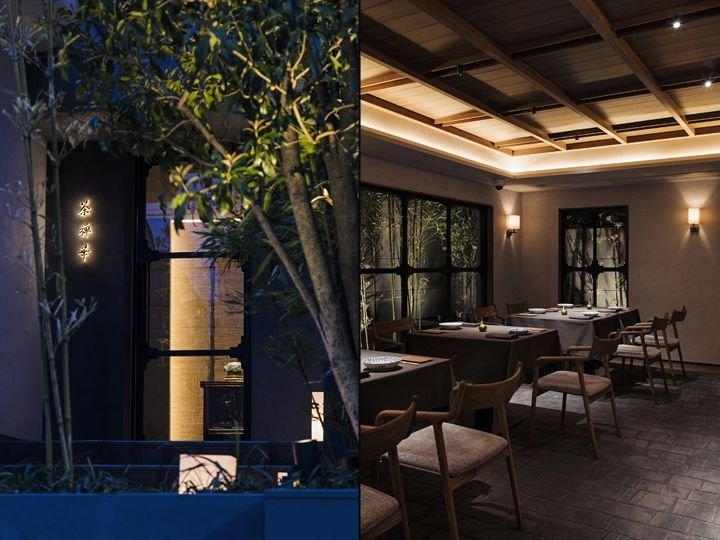
Modern Chinese Fine Dining
Sazenka
Tokyo, Japan
★★★ · 50 Best
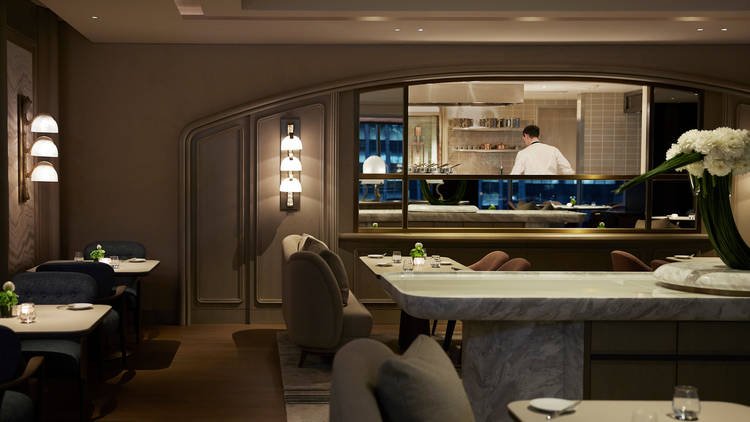
Sézanne
Tokyo, Japan
★★★ · 50 Best
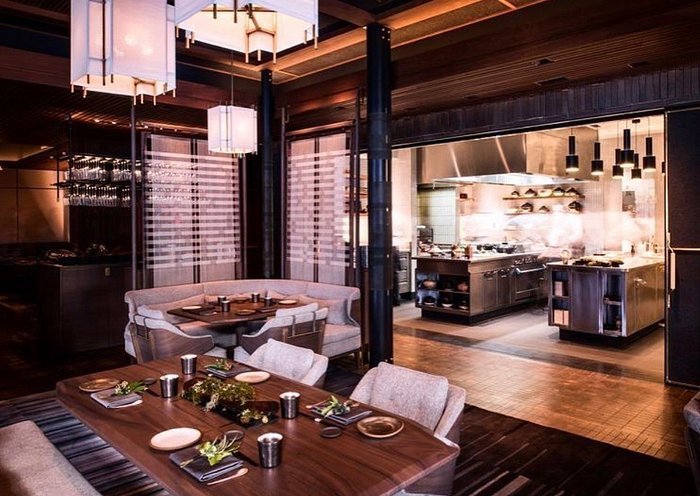
Japanese-influenced Californian Kaiseki
Single Thread Farm
Healdsburg, United States
★★★ · 50 Best
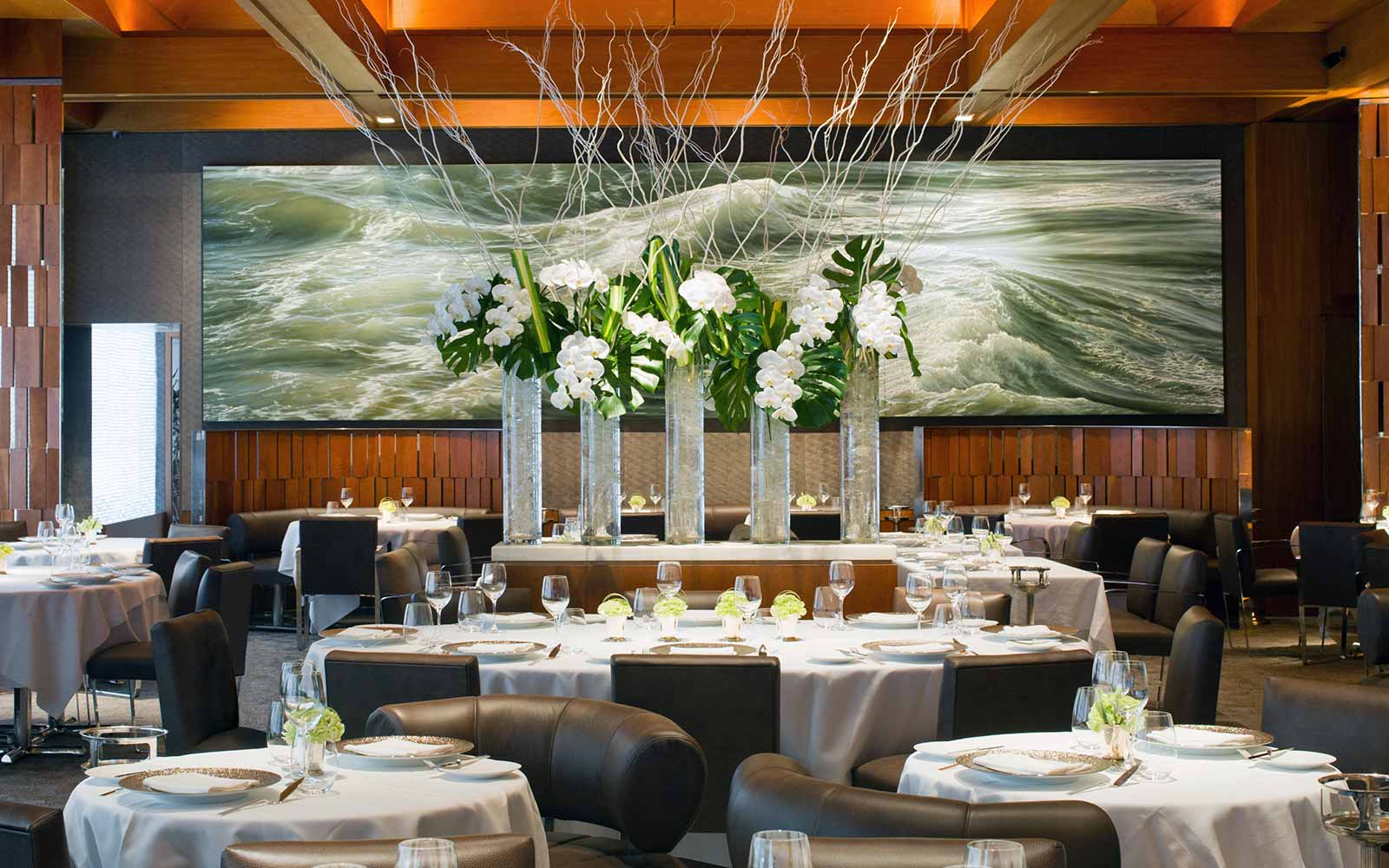
French Seafood Fine Dining
Le Bernardin
New York City, United States
★★★ · 50 Best
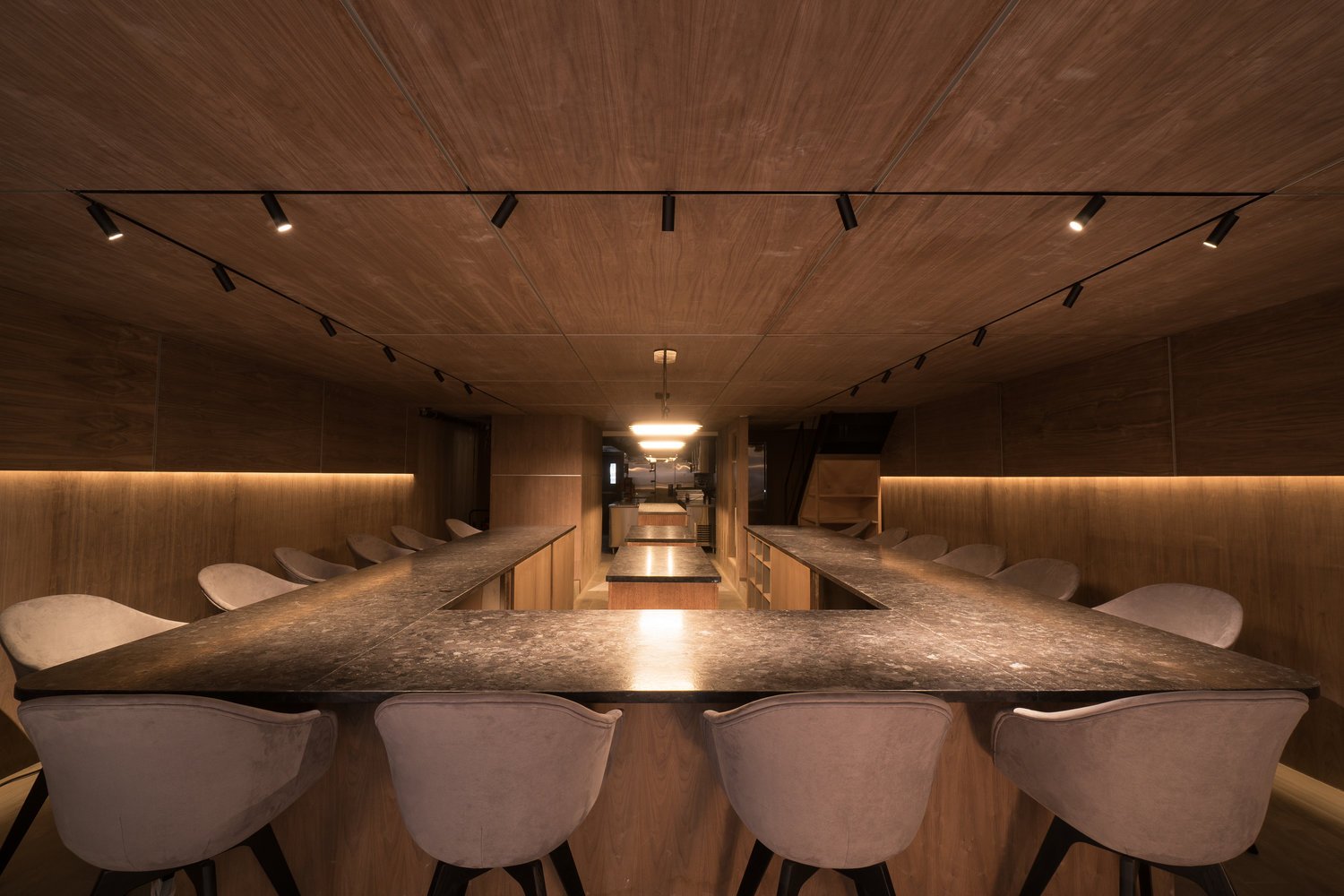
Modern Korean Tasting Menu
Atomix
New York City, United States
★★ · 50 Best
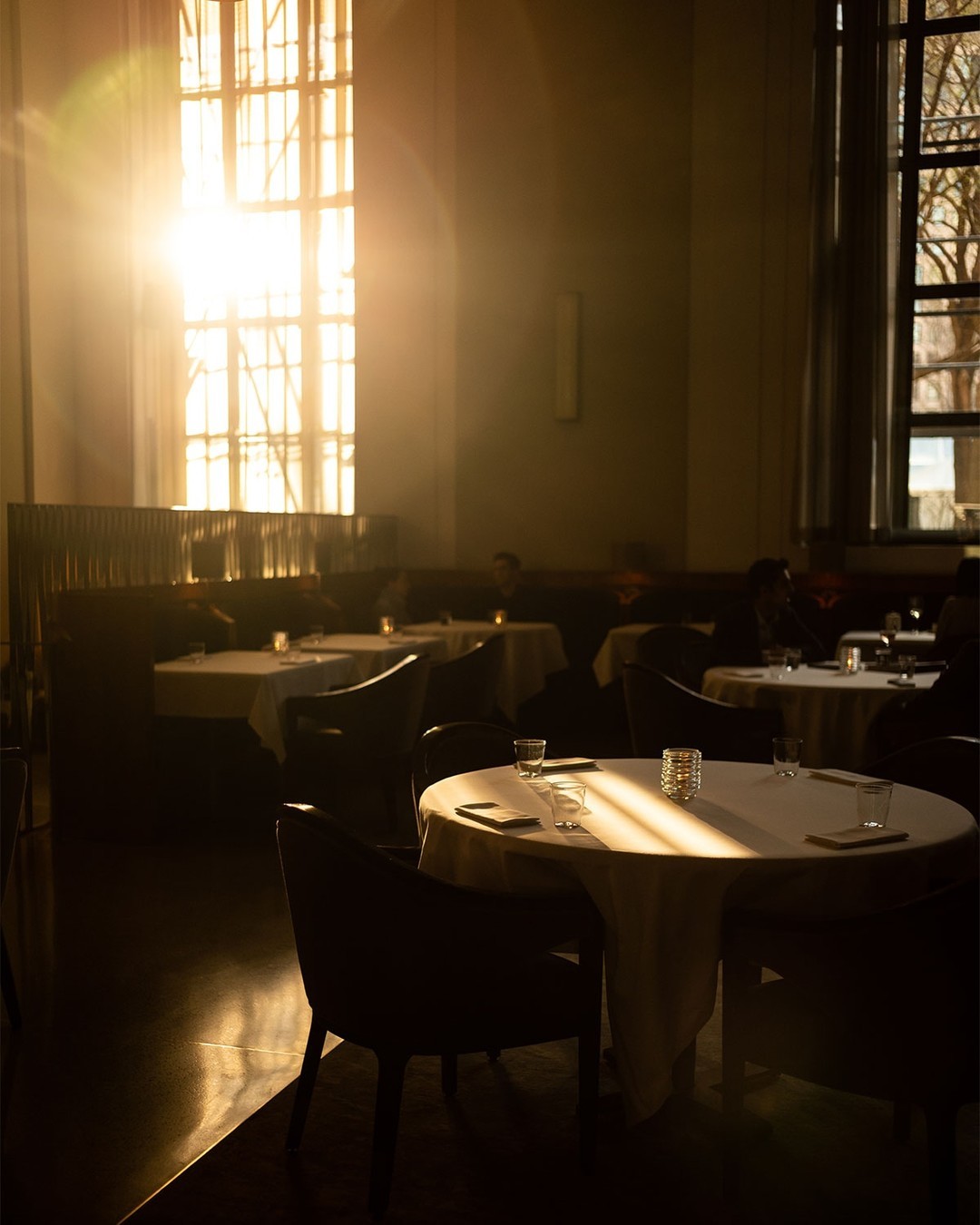
Contemporary Plant-Based Fine Dining
Eleven Madison Park
New York City, United States
★★★ · 50 Best