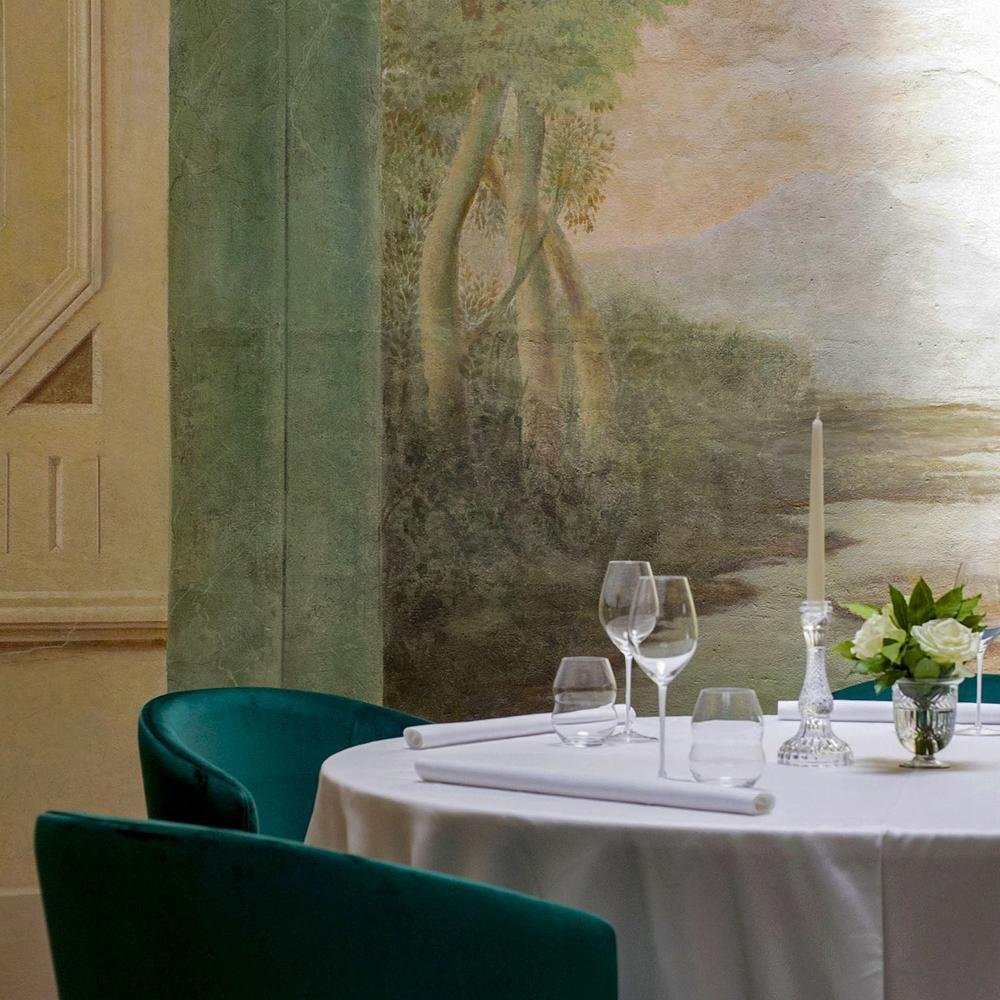
Restaurant
Auberge de la Grive
Auberge de la Grive holds a Michelin star for the second consecutive year under chef Nicolas Gautier, positioning this rural Aisne address among France's most closely watched single-star tables. Operating at the €€€ tier in a village setting far from metropolitan dining circuits, it makes a clear argument that serious modern cuisine need not be an urban proposition. Rated 4.8 on 112 Google reviews, the kitchen draws a committed following prepared to seek it out.
- 1 Michelin Star
At a glance
- Rating
- 4.8 (132)
<h2>A Star in the Aisne Valley: What Trosly-Loire's Premier Table Says About Rural French Dining</h2><p>The road into Trosly-Loire, a small commune in the Aisne department of northern France, gives little away. The village sits in the quiet agricultural corridor between the Forêt de Compiègne and the Loire tributaries, its pace shaped more by seasons than by any dining circuit. That a Michelin-starred kitchen has anchored itself here, at 5 Rue du Logis, is both a statement about modern French gastronomy's geographic spread and a reason to reconsider which addresses in France demand serious attention. Auberge de la Grive is the kind of place you arrive at having made a deliberate detour, and that deliberateness colours the meal from the first moment.</p><p>The auberge format, historically a French roadside inn offering shelter and sustenance to travellers, carries particular resonance in a setting like this. Unlike the urban Michelin cohort, where competition for attention is relentless and the dining room is often as much performance space as kitchen showcase, a rural auberge absorbs a different register of expectation. Guests don't drop in; they plan. The physical approach to the address, along routes that haven't been reshaped by tourism infrastructure, sets a tone that the kitchen then has to meet. At Auberge de la Grive, that meeting point is a Michelin star retained across 2024 and 2025, a signal that the quality here is structural rather than circumstantial.</p><h2>Nicolas Gautier and the Argument for Regional Commitment</h2><p>Modern French gastronomy has long had an ambivalent relationship with its own geography. The prestige circuit pulls chefs toward Paris, Lyon, or the coastal resort towns where covers are plentiful and visibility is high. The chefs who resist that gravity and build serious kitchens in smaller communities make a different kind of argument: that place, locality, and proximity to producers can do work that a metropolitan address cannot replicate. Chef Nicolas Gautier, whose name is attached to this kitchen, operates within that counter-tradition.</p><p>The category designation here is Modern Cuisine, a term that in the French context typically signals a kitchen willing to work across technique and influence without being bound by a single regional canon. That positioning matters in the Aisne. The department doesn't carry the gastronomic brand weight of Burgundy, the Basque Country, or Provence. A chef working here cannot rely on a prestige ingredient terroir or an established pilgrimage narrative to do the heavy lifting. The food itself has to justify the journey, and two consecutive Michelin stars suggest it does.</p><p>Comparing Gautier's position to his peers in the single-star tier across northern and central France, the rural commitment is the distinguishing variable. Tables like <a href="https://www.enprimeurclub.com/restaurants/assiette-champenoise-reims-restaurant">Assiette Champenoise in Reims</a> or <a href="https://www.enprimeurclub.com/restaurants/au-crocodile-strasbourg-restaurant">Au Crocodile in Strasbourg</a> operate within cities that have their own tourism draw. Trosly-Loire does not. The kitchen at Auberge de la Grive is the destination, which concentrates the scrutiny accordingly.</p><h2>Where This Table Sits in the Broader French Fine Dining Structure</h2><p>France's Michelin-starred restaurants now number several hundred across the country, but the distribution of that recognition is not geographically uniform. The concentration at the leading is Parisian: houses like <a href="https://www.enprimeurclub.com/restaurants/alleno-paris-au-pavillon-ledoyen-paris-restaurant">Alléno Paris au Pavillon Ledoyen</a> operate at the three-star, €€€€ tier where the competitive set is global and the clientele is internationalised. Auberge de la Grive occupies a structurally different position: one star, €€€ pricing, provincial setting, and a guest profile that skews toward the domestically informed diner who tracks the Guide seriously.</p><p>That positioning places it in company with some of the most personally compelling addresses in French gastronomy. The tradition of the serious country table, represented at its most consequential by places like <a href="https://www.enprimeurclub.com/restaurants/bras-laguiole-restaurant">Bras in Laguiole</a> or <a href="https://www.enprimeurclub.com/restaurants/auberge-du-vieux-puits-fontjoncouse-restaurant">Auberge du Vieux Puits in Fontjoncouse</a>, has always argued that the most authentic expression of French cuisine happens at a remove from the capital. Auberge de la Grive is a younger entry into that lineage, but its back-to-back starred years position it as a table worth tracking over the medium term.</p><p>For comparison, the restaurants in France's upper tier, <a href="https://www.enprimeurclub.com/restaurants/mirazur-menton-restaurant">Mirazur in Menton</a>, <a href="https://www.enprimeurclub.com/restaurants/flocons-de-sel-megeve-restaurant">Flocons de Sel in Megève</a>, and <a href="https://www.enprimeurclub.com/restaurants/troisgros-le-bois-sans-feuilles-ouches-restaurant">Troisgros - Le Bois sans Feuilles in Ouches</a>, all share the characteristic of having built sustained reputations in non-Parisian settings. They demonstrate that a provincial address and starred ambition are not in contradiction. Auberge de la Grive is working in that same logic, at an earlier stage and at a lower price tier, which makes it accessible to a wider range of serious diners.</p><h2>The €€€ Tier in Rural France: What the Price Point Signals</h2><p>Pricing at the €€€ level in a village context is worth examining carefully. In a major city, €€€ typically places a restaurant in the middle tier of a competitive fine dining market, where it competes against numerous alternatives. In Trosly-Loire, the calculus is different. There is no comparable local competition to calibrate against; the price reflects the ambition of the kitchen, the cost of sourcing at the level the Michelin inspectors reward, and the operational reality of running a serious table in a rural commune.</p><p>For visiting diners, the €€€ designation in this context represents reasonable value relative to equivalently starred urban tables, where the same recognition typically commands a meaningfully higher bill. A guest traveling from Paris, roughly ninety kilometres south, or from the broader Hauts-de-France region, is likely to find the total trip cost, including travel, in line with or below what a comparable urban meal would require. The 4.8 rating across 112 Google reviews is a further signal that the experience lands consistently; at that sample size, the score is statistically meaningful rather than inflated by a small base of enthusiasts.</p><h2>Planning a Visit: What to Know Before You Go</h2><p>Trosly-Loire sits in the Aisne department, accessible from Paris via the A1 motorway or by rail to Noyon with onward road transfer. The village is not served by the kind of tourism infrastructure that smooths arrival at better-known destinations, so advance planning is necessary. Booking ahead is advisable for any Michelin-starred table in a rural setting, where covers are limited and the kitchen often operates on a fixed or semi-fixed menu structure that requires prior notice for dietary requirements.</p><p>The auberge category suggests the possibility of accommodation at the address itself, though guests should confirm availability and format directly. Visiting the Forêt de Compiègne to the south, or the historic town of Noyon to the northwest, can anchor a longer regional stay for those building a trip around the meal. For a broader picture of what the area offers, see <a href="https://www.enprimeurclub.com/restaurants/trosly-loire">our full Trosly-Loire restaurants guide</a>, as well as guides to <a href="https://www.enprimeurclub.com/hotels/trosly-loire">hotels</a>, <a href="https://www.enprimeurclub.com/bars/trosly-loire">bars</a>, <a href="https://www.enprimeurclub.com/wineries/trosly-loire">wineries</a>, and <a href="https://www.enprimeurclub.com/experiences/trosly-loire">experiences</a> in the region.</p><p>For diners who track the international modern cuisine circuit, Auberge de la Grive makes for an interesting point of contrast with destinations like <a href="https://www.enprimeurclub.com/restaurants/am-par-alexandre-mazzia-marseille-restaurant">AM par Alexandre Mazzia in Marseille</a>, <a href="https://www.enprimeurclub.com/restaurants/frantzen-stockholm-restaurant">Frantzén in Stockholm</a>, or <a href="https://www.enprimeurclub.com/restaurants/fzn-by-bjorn-frantzen-dubai-restaurant">FZN by Björn Frantzén in Dubai</a>: kitchens where the Modern Cuisine designation lands in an urban, often internationalised context. The Trosly-Loire address operates on different terms, where the absence of metropolitan scaffolding is precisely the point. Traditional auberge hospitality and starred ambition, in combination, produce a dining proposition that has its own logic. Two consecutive Michelin stars confirm that the logic is working.</p><h2>Frequently Asked Questions</h2><h3>What is the signature dish at Auberge de la Grive?</h3><p>Specific menu and dish details for Auberge de la Grive are not publicly documented in a way that allows responsible reporting. What is documented is that the kitchen works in the Modern Cuisine category under chef Nicolas Gautier, and that Michelin inspectors awarded it a star in both 2024 and 2025. In a starred kitchen at the €€€ tier in rural France, the menu typically follows seasonal produce closely and changes with the agricultural calendar. The most reliable way to understand what the kitchen is currently serving is to contact the restaurant directly when booking.</p><h3>Is Auberge de la Grive formal or casual in atmosphere?</h3><p>The auberge format in France historically occupies the space between inn hospitality and serious cooking, typically less formal in dress code and room register than a grande maison in Paris or Lyon, but substantively more serious in kitchen ambition than a neighbourhood bistro. At the €€€ price point in a village context, and with Michelin recognition now in consecutive years, Auberge de la Grive almost certainly sits in the smart-casual register: considered dress is appropriate, but the setting is unlikely to demand the formality associated with the city's three-star circuit. Guests unfamiliar with the specific dress code should confirm with the restaurant at the time of booking.</p><h3>Is Auberge de la Grive child-friendly?</h3><p>No specific child policy is on public record for this address. As a general pattern, €€€ Michelin-starred tables in rural France tend to welcome family bookings more readily than urban fine dining rooms at equivalent or higher price points, where the experience is often structured around extended tasting menus in quieter environments. Trosly-Loire's village setting and the auberge tradition suggest a less formal physical environment than a metropolitan starred address. Families with children planning a visit should contact the restaurant directly to confirm suitability and any menu flexibility available.</p>
Frequently asked
Is Auberge de la Grive child-friendly?
No formal child policy is listed for the address at 5 Rue du Logis. At a €€€ Michelin-starred auberge in rural France, the format tends to favour a slower, multi-course pace that suits older children more than young ones. Families planning a visit should check the venue's official channels to confirm arrangements.
Is Auberge de la Grive formal or casual?
The auberge format in France historically sits between country-inn warmth and serious cooking — less ceremonial than a grand Parisian table, but the two consecutive Michelin stars (2024 and 2025) signal a kitchen operating at a level where the dining room tone tends to follow suit. Expect considered service rather than rigid formality, though Nicolas Gautier's rural Aisne setting argues against black-tie expectations.
What distinctions does Auberge de la Grive have?
Auberge de la Grive has received recognition including: Category: Chef's; Michelin 1 Star (2025); Michelin 1 Star (2024).
What's the signature dish at Auberge de la Grive?
Specific menu details for Auberge de la Grive are not on public record in a form that allows responsible reporting. What the two Michelin stars confirm is that Nicolas Gautier's modern French cooking has earned sustained recognition at the national level — the detail to watch is how that translates to a menu shaped by the agricultural character of the Aisne region.
Address
5 Rue du Logis, 02300 Trosly-Loire, France
How it compares
- Cuisine
- Modern Cuisine
- Price
- €€€
- Awards
- Category: Chef's; Michelin 1 Star (2025); Michelin 1 Star (2024)
- Notes
- This venue
Alléno Paris au Pavillon Ledoyen
- Cuisine
- Creative
- Price
- €€€€
- Awards
- Michelin 3 Star, World's 50 Best
- Notes
- Creative, €€€€
- Cuisine
- Contemporary French, Modern Cuisine
- Price
- €€€€
- Awards
- Michelin 3 Star, World's 50 Best
- Notes
- Contemporary French, Modern Cuisine, €€€€
- Cuisine
- French, Classic Cuisine
- Price
- €€€€
- Awards
- Michelin 3 Star, World's 50 Best
- Notes
- French, Classic Cuisine, €€€€
Le Cinq - Four Seasons Hôtel George V
- Cuisine
- French, Modern Cuisine
- Price
- €€€€
- Awards
- Michelin 3 Star, World's 50 Best
- Notes
- French, Modern Cuisine, €€€€
- Cuisine
- Contemporary French
- Price
- €€€€
- Awards
- Michelin 3 Star, World's 50 Best
- Notes
- Contemporary French, €€€€
In residence
Similar places
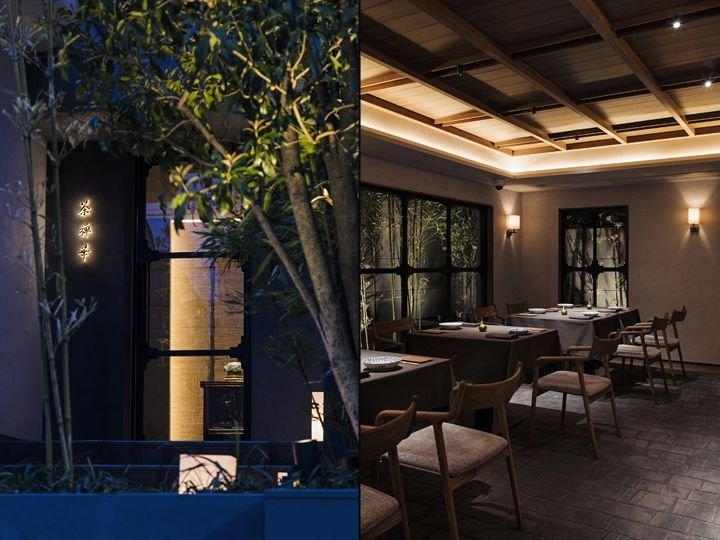
Modern Chinese Fine Dining
Sazenka
Tokyo, Japan
★★★ · 50 Best
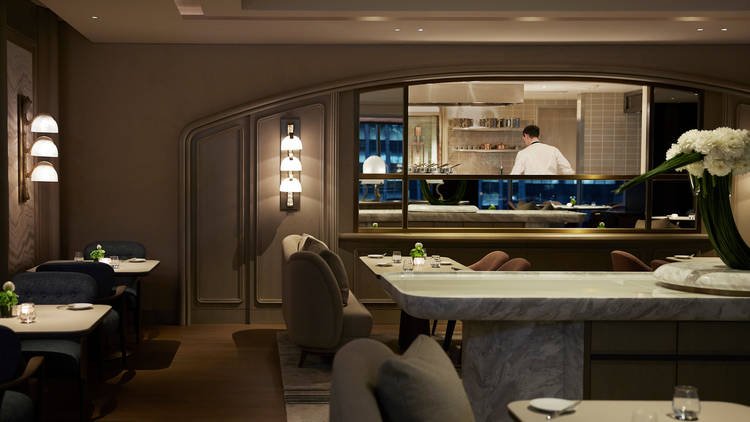
Sézanne
Tokyo, Japan
★★★ · 50 Best
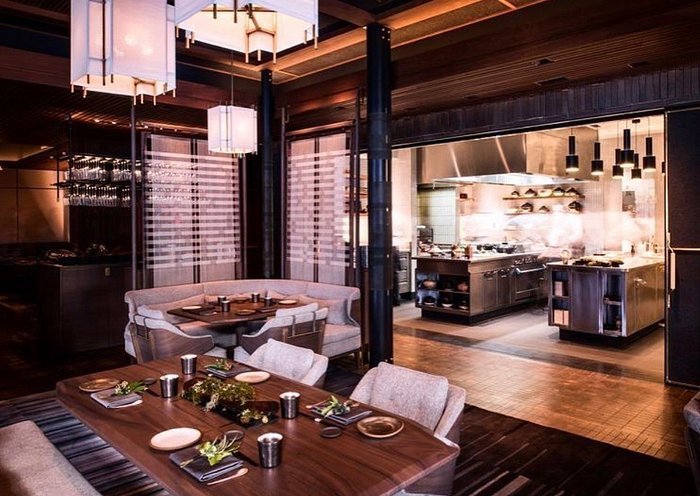
Japanese-influenced Californian Kaiseki
Single Thread Farm
Healdsburg, United States
★★★ · 50 Best
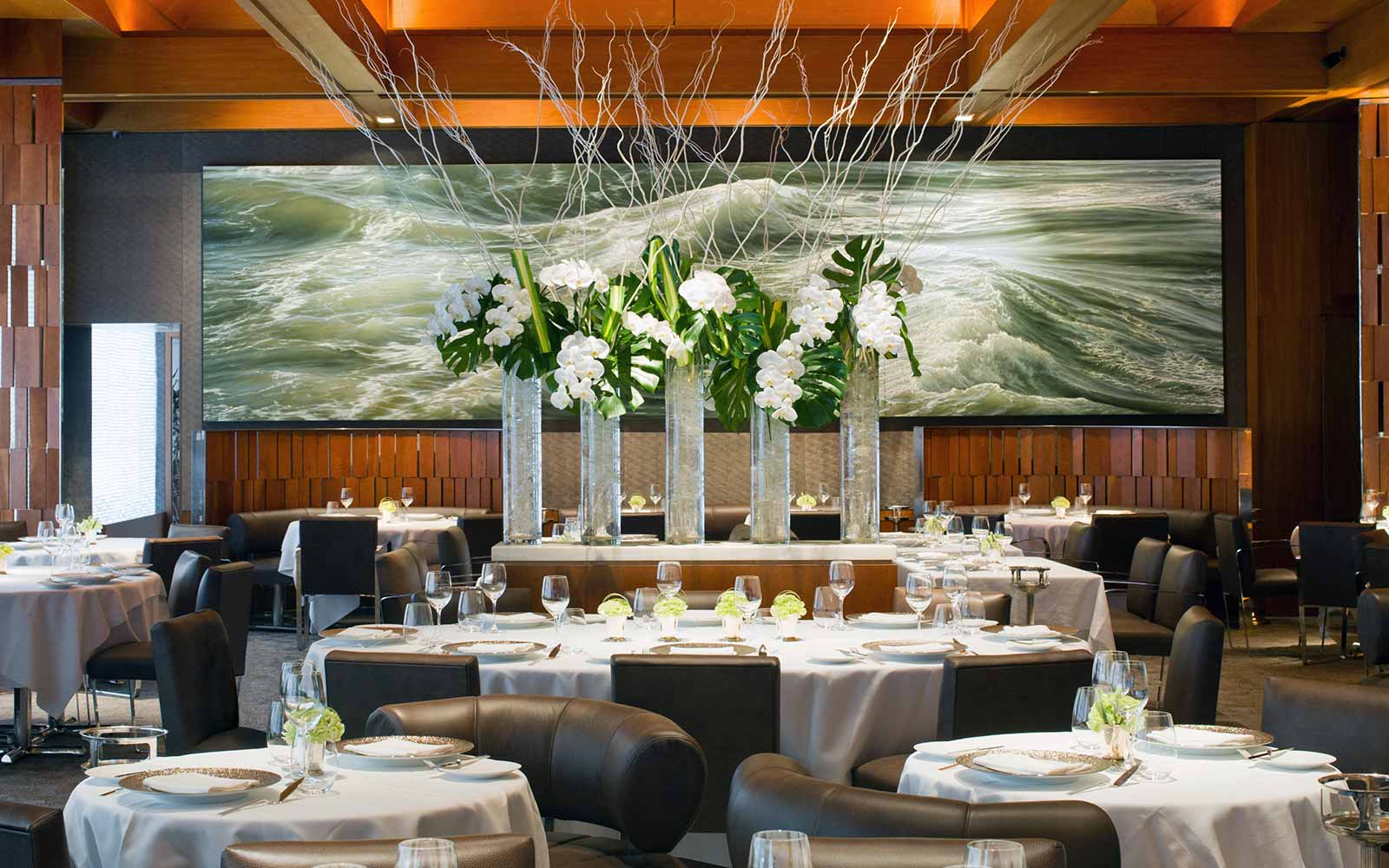
French Seafood Fine Dining
Le Bernardin
New York City, United States
★★★ · 50 Best
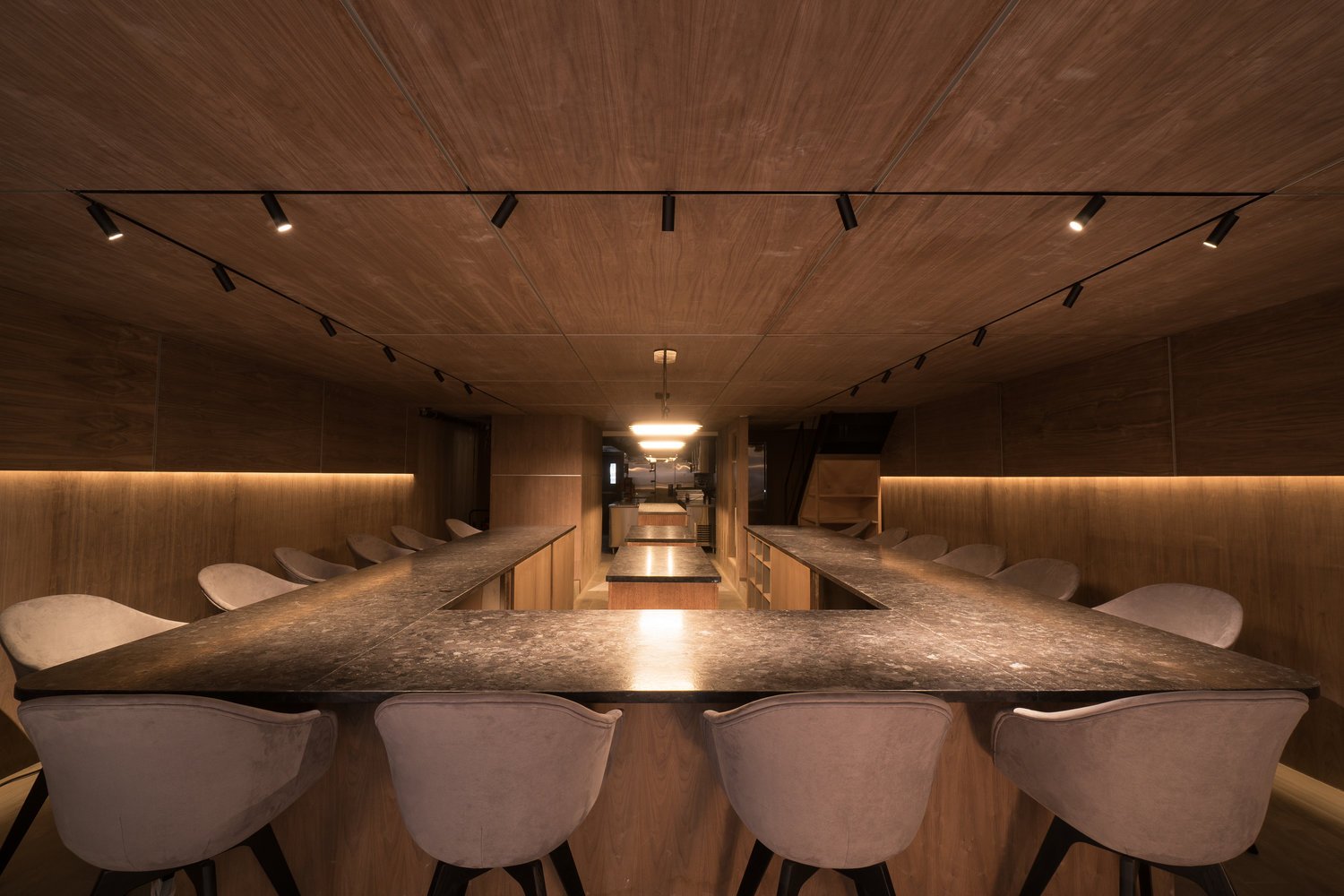
Modern Korean Tasting Menu
Atomix
New York City, United States
★★ · 50 Best
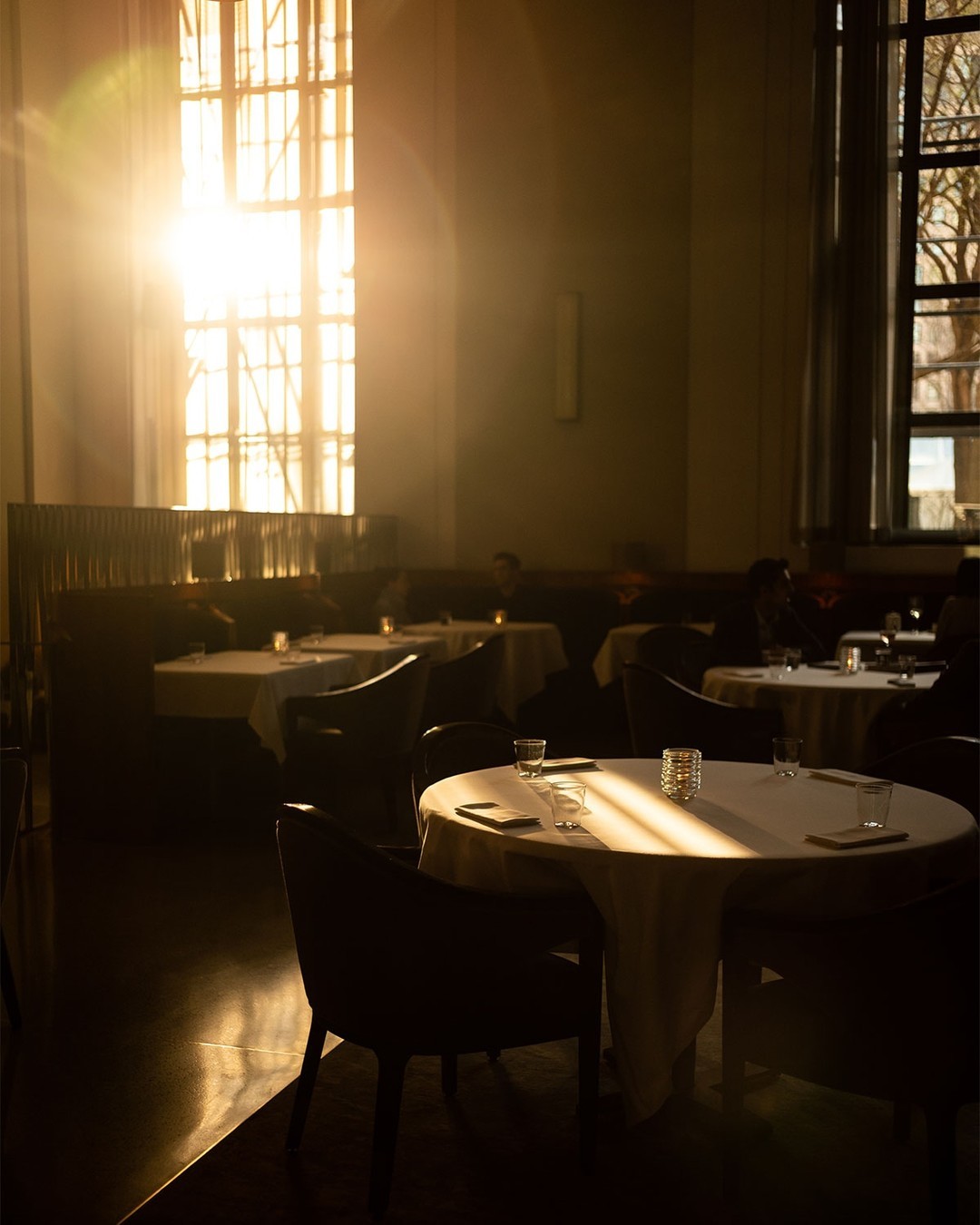
Contemporary Plant-Based Fine Dining
Eleven Madison Park
New York City, United States
★★★ · 50 Best