Restaurant
L'Axel
L'Axel holds a Michelin star and a Remarkable designation at the €€€€ tier on Rue de France in Fontainebleau. Chef Kunihisa Goto works French classical technique through a Japanese ingredient sensibility, drawing on foie gras, snails, daikon, lotus root, and Wagyu beef to produce dishes that sit within the French gastronomic tradition while reading distinctly his own. The slow-cooked egg has become a reference point among regulars.
- 1 Michelin Star
At a glance
- Cuisine
- French-Japanese Fusion Fine Dining
- Price
- $$$$
- Per person
- $180
- Hours
- Mon: Closed; Tue: Closed; Wed: 7:15–9 PM; Thu: 12:15–1:30 PM, 7:15–9 PM; Fri: 12:15–1:30 PM, 7:15–9 PM; Sat: 12:15–1:30 PM, 7:15–9 PM; Sun: 12:15–1:30 PM, 7:15–9 PM
- Neighborhood
- Fontainebleau city center
- Rating
- 4.6 (878)
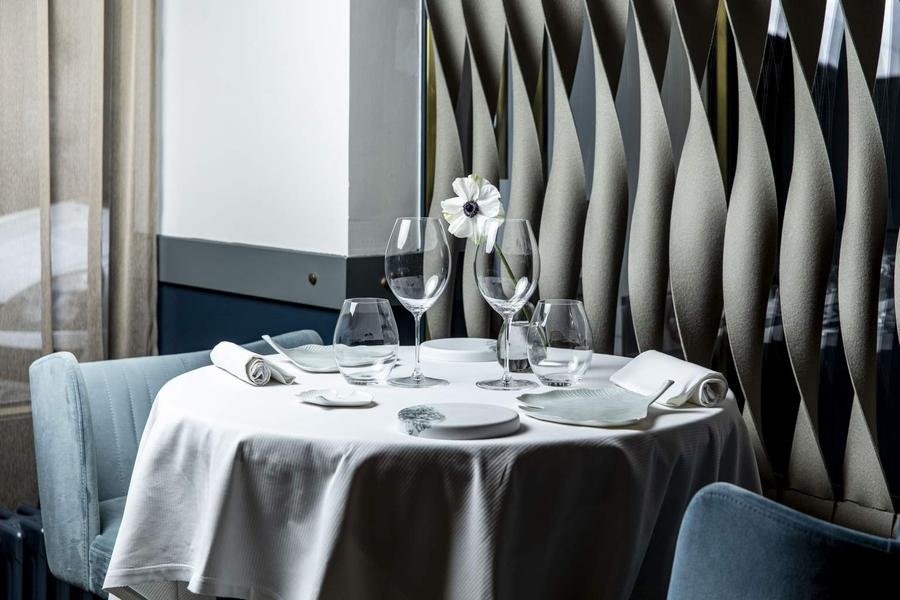
<h2>Where French Gastronomy Meets Japanese Produce Logic</h2><p>Fontainebleau sits roughly an hour south of Paris by road, a town shaped by royal forest and a palace that drew the French court for centuries. Its restaurant culture reflects that inheritance: serious French cooking, provincial in pace but not in ambition. On Rue de France, the main artery running through the old quarter, L'Axel occupies a low-key dining room that reads nothing like the architectural theatre you find at, say, <a href="https://www.enprimeurclub.com/restaurants/alleno-paris-au-pavillon-ledoyen-paris-restaurant">Alléno Paris au Pavillon Ledoyen</a> or <a href="https://www.enprimeurclub.com/restaurants/mirazur-menton-restaurant">Mirazur in Menton</a>. The setting is deliberate in its restraint. The room signals intent before the first course arrives: this is a kitchen-led address, not a room-led one.</p><p>That restraint is consistent with a particular strand of modern French cooking that has emerged over the past two decades, in which chefs trained abroad or carrying non-French culinary instincts have applied foreign ingredient logic to the classical French canon. The approach sits in a different register from the Franco-Japanese fusion of the 1980s. It is less about stylistic hybridisation and more about ingredient sourcing: asking which Japanese pantry items share structural or flavour affinities with French classical produce, then substituting or layering them with discipline. At L'Axel, that discipline has earned a Michelin star (2024) and a Remarkable designation, placing the restaurant in a peer set that includes some of France's most focused regional tables.</p><h2>The Ingredient Logic Behind the Cooking</h2><p>The cooking at L'Axel is anchored in the French gastronomic tradition, with foie gras, snails, and classically structured sauces forming the backbone of the menu. What distinguishes the kitchen is the sourcing layer that runs alongside: daikon, lotus root, nori, shiso, and Wagyu beef appear not as garnish or novelty but as primary ingredients that carry genuine weight in each dish. This approach reflects a coherent sourcing philosophy rather than a stylistic flourish.</p><p>Consider what that means in practice. Daikon shares textural properties with turnip and celeriac, two staples of the French vegetable larder, but carries a cleaner, more mineral quality when cooked slowly. Lotus root holds structure through braising in a way that few European root vegetables match. Shiso brings an aromatic profile that sits between basil and mint, familiar enough to integrate with classical herb-led sauces but distinctive enough to shift the register. When these ingredients appear alongside foie gras or snails, the result is not a cuisine that signals its Japanese provenance at every turn. It is a cuisine that asks you to reconsider where French produce logic ends and where it might be extended.</p><p>Wagyu beef enters the same argument from a different angle. French beef traditions run deep, with Charolais and Limousin breeds holding a near-canonical status in classical cooking. Wagyu, with its different fat distribution and texture under heat, produces results that cannot be replicated with French breeds, and Goto's use of it reflects a sourcing decision rather than a cosmetic one. The slow-cooked egg, which has become a reference dish at L'Axel, sits inside this same logic: a technique with roots in both Japanese onsen tamago tradition and the French sous-vide canon, arriving at something that reads as neither.</p><p>For broader context on how French chefs have approached seasonal sourcing as a structural discipline, the work at <a href="https://www.enprimeurclub.com/restaurants/bras-laguiole-restaurant">Bras in Laguiole</a> and <a href="https://www.enprimeurclub.com/restaurants/flocons-de-sel-megeve-restaurant">Flocons de Sel in Megève</a> illustrates how terrain-driven ingredient selection operates at the highest regional level. L'Axel works a different angle, but the underlying seriousness about sourcing belongs to the same tradition.</p><h2>Position Within the French Starred Landscape</h2><p>France's Michelin-starred restaurant count runs into the hundreds, but the geography of that recognition matters. The concentration of three-star addresses in Paris, Lyon, and the Côte d'Azur reflects where international dining traffic flows. Regional one-star addresses in smaller towns occupy a different position: they serve a local and semi-local clientele, operate with leaner margins, and often carry the culinary ambition of the chef more directly, without the infrastructure of a hotel group or a celebrity name to draw destination diners.</p><p>L'Axel sits in that regional one-star category, in a town that receives visitors primarily for the palace and the forest rather than for its restaurant scene. That context makes the Michelin recognition more pointed. The inspector's Remarkable designation acknowledges a kitchen that is doing something specific and doing it consistently, rather than simply executing classical French cooking at a competent level. For comparison, the starred addresses that define the French canon at its most formal, from <a href="https://www.enprimeurclub.com/restaurants/paul-bocuse-lauberge-du-pont-de-collonges-collonges-au-mont-dor-restaurant">Paul Bocuse - L'Auberge du Pont de Collonges</a> to <a href="https://www.enprimeurclub.com/restaurants/auberge-de-lill-illhaeusern-restaurant">Auberge de l'Ill in Illhaeusern</a>, operate with histories measured in decades and kitchen lineages that function almost as institutions. L'Axel's position is different: it is a single-chef address with a clear point of view, reviewed favourably by 843 Google contributors at 4.6, and operating at the €€€€ price tier in a market where that positioning signals commitment to a specific dining experience rather than volume.</p><p>The Franco-Japanese synthesis that Goto pursues at L'Axel also has a Parisian parallel worth noting: <a href="https://www.enprimeurclub.com/restaurants/alleno-paris-au-pavillon-ledoyen-paris-restaurant">Alléno Paris au Pavillon Ledoyen</a> and Kei (both three-star addresses) represent how the intersection of French classical technique and Japanese culinary sensibility operates at the very leading of the capital's hierarchy. L'Axel works the same territory at a different scale, in a different town, at a price point that is high for Fontainebleau but below the entry cost of the Paris three-star circuit. That is not a critique; it is a positioning observation. The food logic is coherent across both registers.</p><p>For a different take on how modern French kitchens have reworked classical structures at the starred level, <a href="https://www.enprimeurclub.com/restaurants/assiette-champenoise-reims-restaurant">Assiette Champenoise in Reims</a>, <a href="https://www.enprimeurclub.com/restaurants/am-par-alexandre-mazzia-marseille-restaurant">AM par Alexandre Mazzia in Marseille</a>, and <a href="https://www.enprimeurclub.com/restaurants/au-crocodile-strasbourg-restaurant">Au Crocodile in Strasbourg</a> each illustrate regional ambition operating outside the Paris axis. The seasonal discipline visible at <a href="https://www.enprimeurclub.com/restaurants/troisgros-le-bois-sans-feuilles-ouches-restaurant">Troisgros - Le Bois sans Feuilles in Ouches</a> and the creative latitude taken at <a href="https://www.enprimeurclub.com/restaurants/frantzen-stockholm-restaurant">Frantzén in Stockholm</a> or <a href="https://www.enprimeurclub.com/restaurants/fzn-by-bjorn-frantzen-dubai-restaurant">FZN by Björn Frantzén in Dubai</a> show how the formal tasting format travels across geographies when ingredient sourcing and technique are treated as primary arguments.</p><h2>Fontainebleau's Dining Context</h2><p>Fontainebleau's food scene is smaller than its proximity to Paris might suggest. The town draws day-trippers and weekend visitors, which shapes the rhythm of its restaurants: lunch trade on Saturdays and Sundays carries more commercial weight than weekday dinner in most addresses. L'Axel's schedule reflects a kitchen that operates at capacity rather than convenience, closed Monday and Tuesday, with lunch and dinner service on Thursday through Sunday and dinner on Wednesday evening. That schedule is consistent with a small kitchen running at deliberate tempo, not with a restaurant aiming for volume. Booking ahead is advisable, particularly for weekend lunch, which tends to draw diners combining a meal with a visit to the palace or the forest.</p><p>For those planning a broader visit, <a href="https://www.enprimeurclub.com/restaurants/fontainebleau">our full Fontainebleau restaurants guide</a> maps the town's range across price points and styles. The <a href="https://www.enprimeurclub.com/hotels/fontainebleau">Fontainebleau hotels guide</a> covers overnight options for those travelling from Paris, while the <a href="https://www.enprimeurclub.com/bars/fontainebleau">bars guide</a>, <a href="https://www.enprimeurclub.com/wineries/fontainebleau">wineries guide</a>, and <a href="https://www.enprimeurclub.com/experiences/fontainebleau">experiences guide</a> round out the practical picture. For Japanese cooking in Fontainebleau at a different price register, <a href="https://www.enprimeurclub.com/restaurants/fuumi-fontainebleau-restaurant">Fuumi</a> provides a useful point of comparison.</p><p>The wine list at L'Axel is described as attentive to French produce in the Michelin citation, which is consistent with a kitchen that treats the French gastronomic canon as its primary reference even while extending its ingredient vocabulary eastward. The service is noted as courteous and engaged, matching the room's register: informed without formality, precise without distance.</p><h2>Practical Details</h2><p>L'Axel is at 43 Rue de France, Fontainebleau, at the €€€€ price tier. The kitchen holds a 2024 Michelin star and a Remarkable designation. Service runs Wednesday evenings (7:15 to 9:00 PM), Thursday through Saturday at lunch (12:15 to 1:30 PM) and dinner (7:15 to 9:00 PM), and Sunday at the same lunch and dinner windows. Monday and Tuesday are closed. The Google rating stands at 4.6 across 843 reviews. Booking in advance is the sensible approach given the limited service windows and the kitchen's Michelin status.</p><h2 id="cuisine">What Do People Recommend at L'Axel?</h2><p>The slow-cooked egg is the dish most consistently cited by diners and acknowledged in the Michelin citation as a reference point for the kitchen's style: it is the clearest expression of how Japanese cooking technique and French classical sensibility converge in Goto's hands. Beyond that, the dishes built around foie gras and snails, two markers of the classical French larder, illustrate how the kitchen uses familiar anchors to orient a menu that extends into less familiar ingredient territory. The seasonal discipline noted in the Michelin write-up suggests that the menu shifts through the year, so the specific composition of any given visit will depend on timing, but the structural logic remains consistent: French classical produce handled with Japanese ingredient precision, plated with care for balance and visual discipline.</p>
Know before you go
- Dress code
- formal
- Reservations
- essential
- Parking
- on_site_lot
- Payment
- credit_card
- Accessibility
- wheelchair_accessible
Frequently asked
What are L'Axel's hours?
Hours at L'Axel: Monday closed Tuesday closed Wednesday 7:15 PM-9 PM Thursday 12:15 PM-1:30 PM 7:15 PM-9 PM Friday 12:15 PM-1:30 PM 7:15 PM-9 PM Saturday 12:15 PM-1:30 PM 7:15 PM-9 PM Sunday 12:15 PM-1:30 PM 7:15 PM-9 PM.
Does L'Axel have a Michelin star or similar recognition?
L'Axel has received recognition including: Category: Remarkable; In the heart of Fontainebleau, this smart, low-key restaurant is the HQ of a Japanese chef who orchestrates a new take on pure-bred Gallic gastronomy whilst scrupulously respecting the seasons. Kunihisa Goto is a fan o….
What do people recommend at L'Axel?
The slow-cooked egg is the dish most consistently cited, referenced directly in the Michelin citation as a marker of the kitchen's style. Beyond that, the cooking draws on foie gras, snails, and classical French sauces given a Japanese edit through ingredients like daikon, nori, shiso, and Wagyu beef. Given the €€€€ price tier and the focused dinner service (7:15–9 PM most evenings), the set course format means most of what the kitchen considers essential will reach the table regardless of what you order.
How would you describe the cuisine at L'Axel?
L'Axel is categorized in our database as Modern Cuisine.
How much does it cost to eat at L'Axel?
Pricing at L'Axel is listed as €€€€.
Where do I go for L'Axel?
L'Axel is located at 43 Rue de France, 77300 Fontainebleau, France, Fontainebleau.
Address
43 Rue de France, 77300 Fontainebleau, France
Fontainebleau city center
How it compares
- Price
- €€€€
- Awards
- Category: Remarkable; In the heart of Fontainebleau, this smart, low-key restaurant is the HQ of a Japanese chef who orchestrates a new take on pure-bred Gallic gastronomy whilst scrupulously respecting the seasons. Kunihisa Goto is a fan of French cuisine, wines and iconic produce such as foie gras and snails. After training with the best, he reinvents the classics with panache, incorporating a host of Japanese ingredients: daikon, lotus roots, nori, shiso leaves, Wagyu beef… His version of the slow-cooked egg has become a must. Each dish is a masterclass of plating, balanced flavours and gourmet indulgence. Attentive, courteous service.; Michelin 1 Star (2024)
- Notes
- This venue
Alléno Paris au Pavillon Ledoyen
- Price
- €€€€
- Awards
- Michelin 3 Star, World's 50 Best
- Notes
- Creative, €€€€
- Price
- €€€€
- Awards
- Michelin 3 Star, World's 50 Best
- Notes
- Contemporary French, Modern Cuisine, €€€€
- Price
- €€€€
- Awards
- Michelin 3 Star, World's 50 Best
- Notes
- French, Classic Cuisine, €€€€
Le Cinq - Four Seasons Hôtel George V
- Price
- €€€€
- Awards
- Michelin 3 Star, World's 50 Best
- Notes
- French, Modern Cuisine, €€€€
- Price
- €€€€
- Awards
- Michelin 3 Star, World's 50 Best
- Notes
- Contemporary French, €€€€
In residence
Similar places
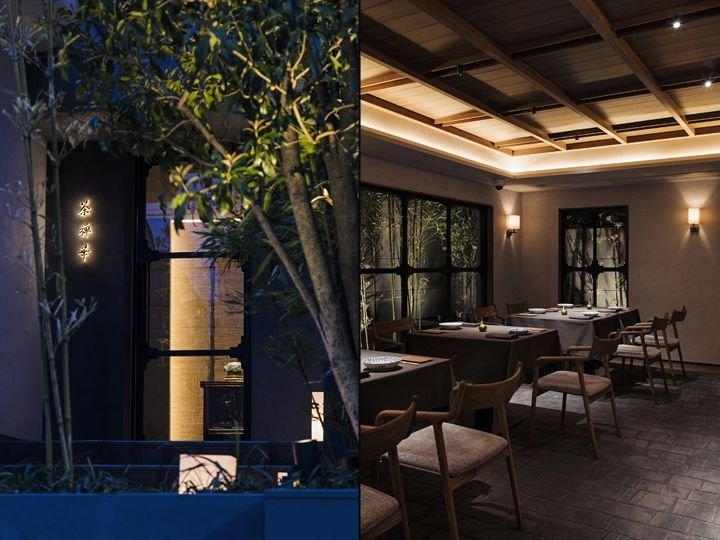
Modern Chinese Fine Dining
Sazenka
Tokyo, Japan
★★★ · 50 Best
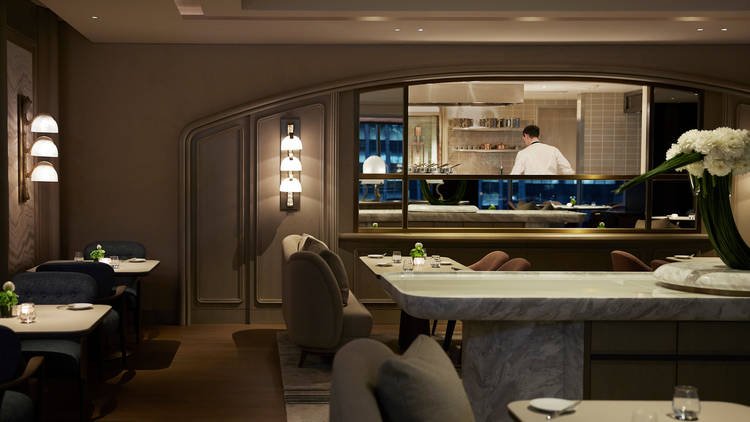
Sézanne
Tokyo, Japan
★★★ · 50 Best
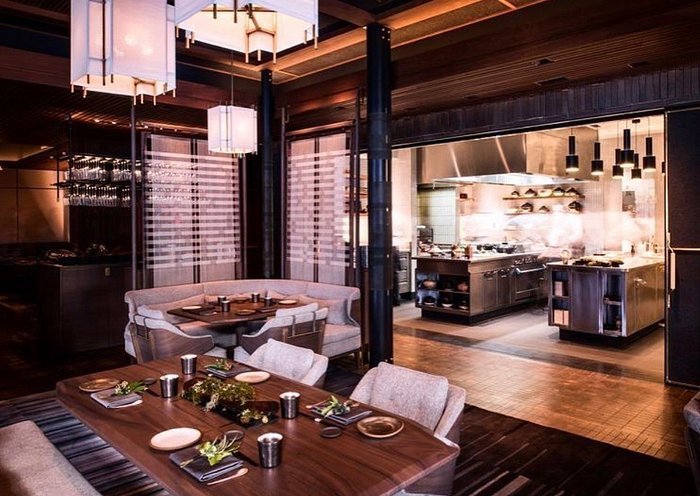
Japanese-influenced Californian Kaiseki
Single Thread Farm
Healdsburg, United States
★★★ · 50 Best
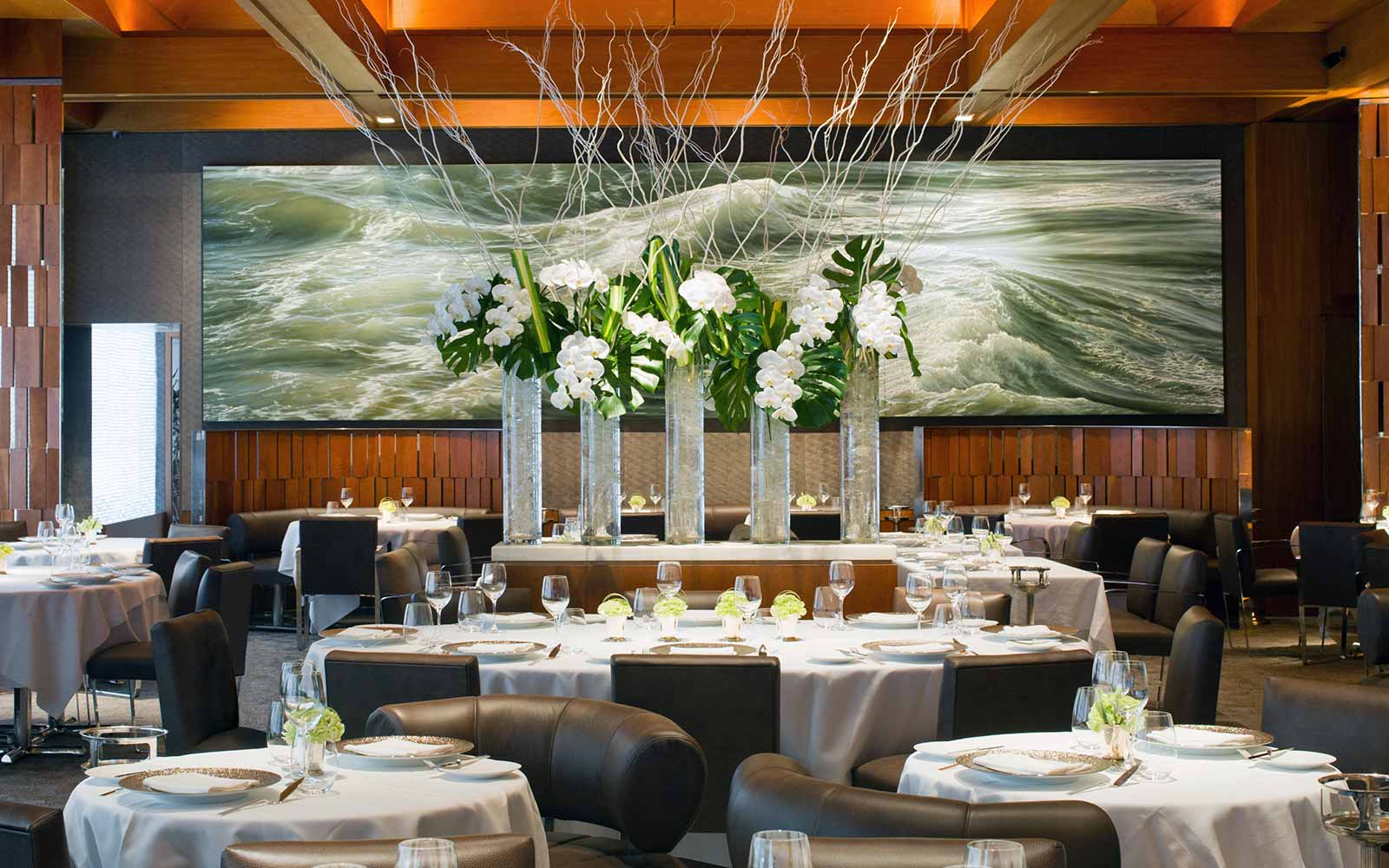
French Seafood Fine Dining
Le Bernardin
New York City, United States
★★★ · 50 Best
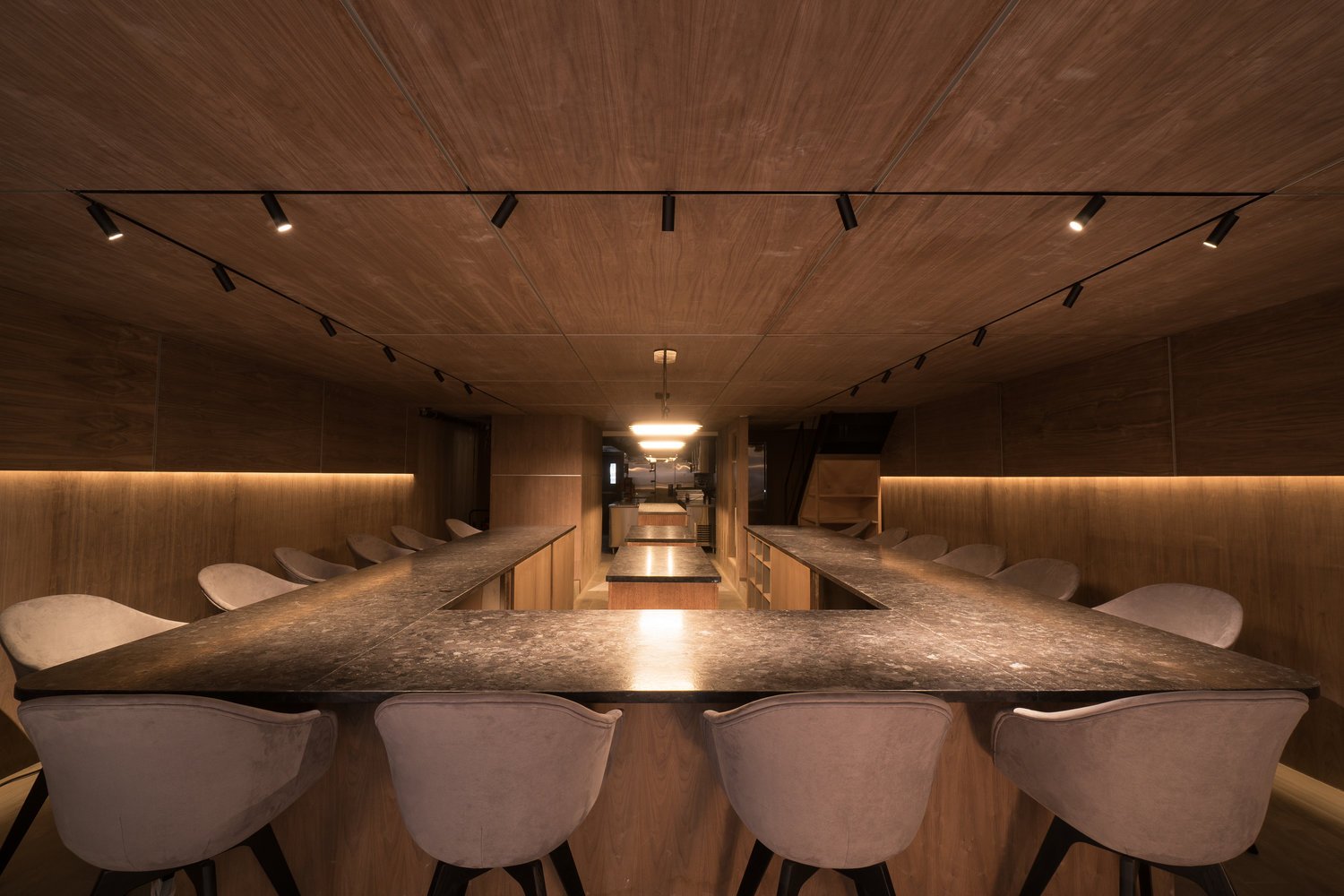
Modern Korean Tasting Menu
Atomix
New York City, United States
★★ · 50 Best
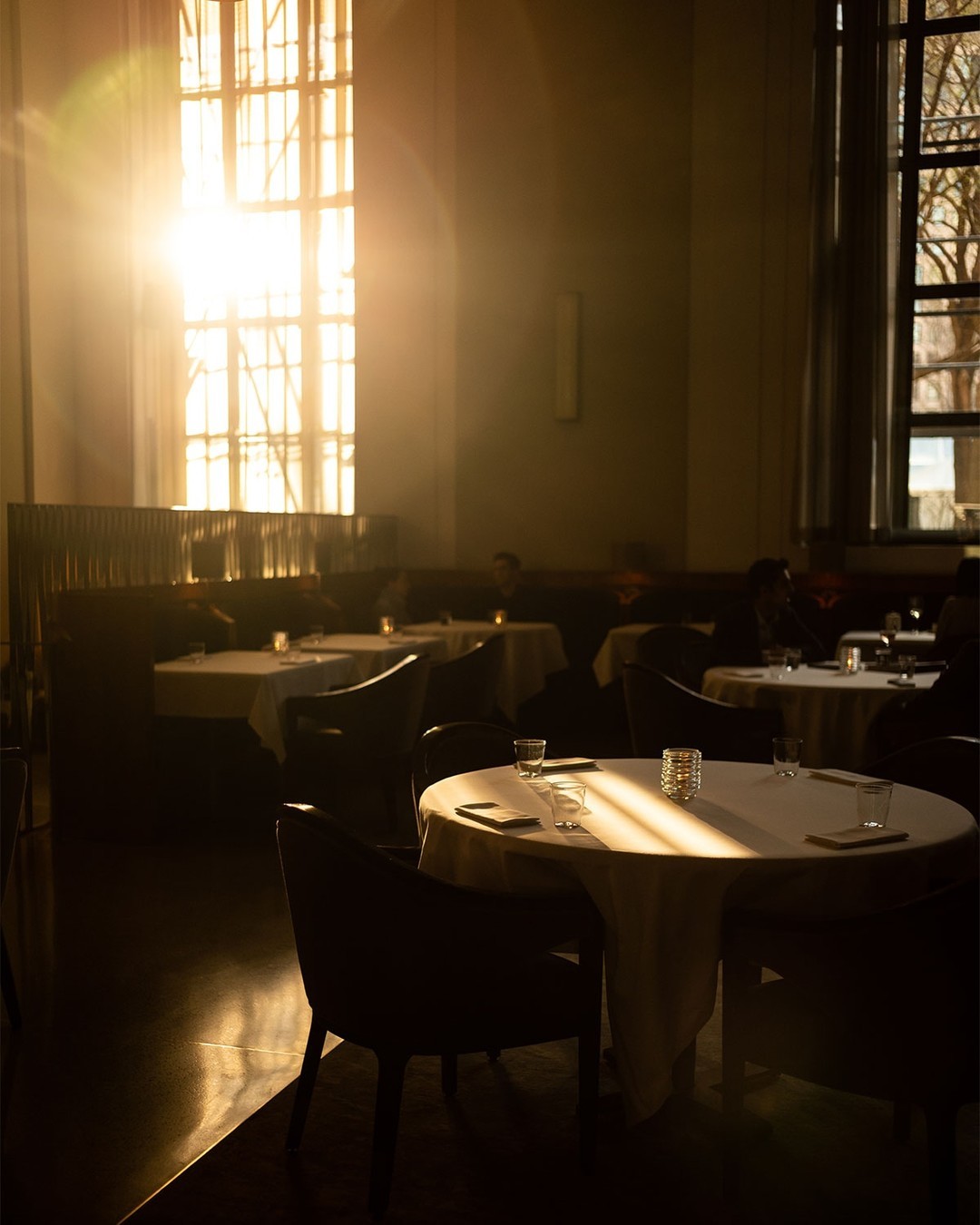
Contemporary Plant-Based Fine Dining
Eleven Madison Park
New York City, United States
★★★ · 50 Best